
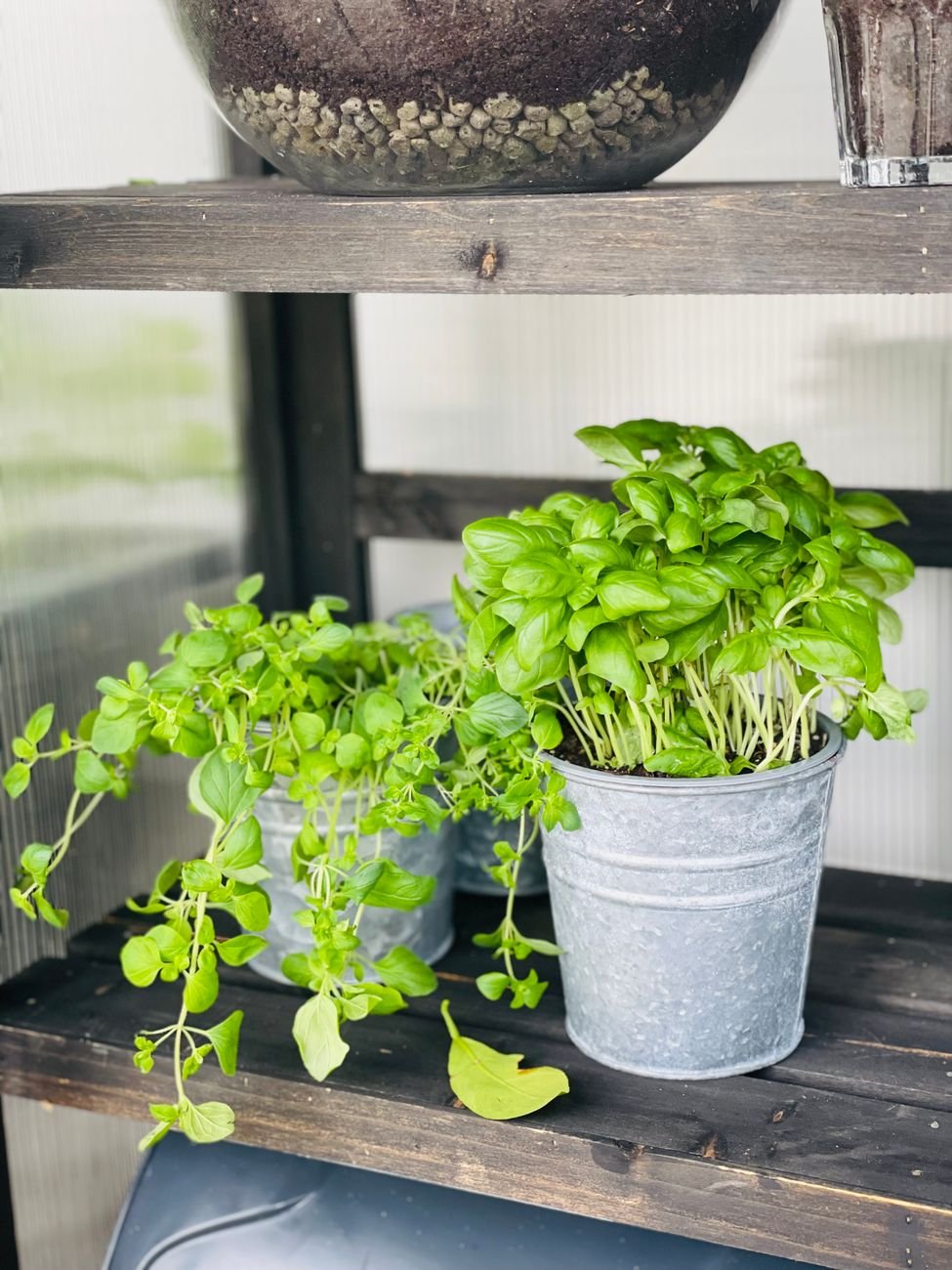

Introduction: Green Living in the Desert Oasis
Dubai, a city synonymous with architectural marvels and luxurious living, presents a unique challenge for plant enthusiasts: a harsh, arid climate. While the outdoors may seem inhospitable, bringing the beauty of nature indoors is entirely possible. With the right plant choices and a few essential care tips, you can transform your Dubai apartment into a vibrant, green oasis. This guide explores the best indoor plants that thrive in the UAE’s hot climate, offering practical advice and product recommendations available on Amazon.ae to help you create a thriving indoor garden.
Understanding the Challenges of Indoor Gardening in Dubai
Before diving into plant recommendations, it’s crucial to acknowledge the specific challenges of growing plants indoors in Dubai:
* **Extreme Heat:** Dubai summers are notoriously hot, and even with air conditioning, indoor temperatures can fluctuate significantly. Plants need to be able to tolerate these temperature swings.
* **Low Humidity:** Air conditioning, while essential for comfort, dries out the air, creating a low-humidity environment that many plants struggle with.
* **Intense Sunlight:** While sunlight is vital for plant growth, the intensity of the Dubai sun can be detrimental, especially through windows. Direct sunlight can scorch leaves.
* **Watering Needs:** High evaporation rates mean plants need more frequent watering, but overwatering can be equally damaging. Finding the right balance is key.
* **Soil Quality:** The quality of potting soil significantly impacts plant health. Using well-draining, nutrient-rich soil is essential.
Top Indoor Plants for Dubai Apartments: Thriving in the Heat
Here’s a curated list of indoor plants known for their resilience and ability to flourish in Dubai’s unique conditions:
1. Snake Plant (Sansevieria trifasciata): The Low-Maintenance Champion
The Snake Plant, also known as Mother-in-Law’s Tongue, is a virtually indestructible choice for beginners. Its striking, upright leaves add a modern touch to any space, and it’s incredibly tolerant of neglect. It’s also an excellent air purifier, removing toxins like formaldehyde and benzene from the air.
* **Light:** Adapts to low to bright indirect light. Avoid direct sunlight.
* **Water:** Water sparingly, allowing the soil to dry out completely between waterings. Overwatering is the biggest threat.
* **Humidity:** Tolerates low humidity levels.
* **Soil:** Well-draining potting mix. Consider adding perlite for enhanced drainage.
**Amazon.ae Find:** Look for Sansevieria trifasciata in decorative pots on Amazon.ae. You can also find specialized succulent and cactus potting mixes suitable for snake plants.
2. ZZ Plant (Zamioculcas zamiifolia): The Drought-Resistant Beauty
The ZZ Plant is another low-maintenance superstar, prized for its glossy, dark green leaves and exceptional drought tolerance. It can survive for weeks without water, making it ideal for busy individuals or those prone to forgetting to water their plants. Like the Snake Plant, it’s also a good air purifier.
* **Light:** Thrives in low to bright indirect light. Avoid direct sunlight.
* **Water:** Water infrequently, allowing the soil to dry out completely between waterings.
* **Humidity:** Tolerates low humidity levels.
* **Soil:** Well-draining potting mix.
**Amazon.ae Find:** Search for Zamioculcas zamiifolia on Amazon.ae. Consider purchasing a self-watering planter to further reduce watering frequency.
3. Pothos (Epipremnum aureum): The Versatile Vine
Pothos, also known as Devil’s Ivy, is a versatile and easy-to-grow vine that adds a touch of greenery to any space. It comes in various varieties, including Golden Pothos, Marble Queen Pothos, and Neon Pothos, each with its unique leaf patterns. It can be grown in hanging baskets, on shelves, or trained to climb a trellis.
* **Light:** Thrives in bright indirect light, but can tolerate low light conditions. Avoid direct sunlight, which can scorch the leaves.
* **Water:** Water when the top inch of soil feels dry. Avoid overwatering.
* **Humidity:** Prefers moderate humidity, but can tolerate low humidity levels. Consider misting the leaves occasionally.
* **Soil:** Well-draining potting mix.
**Amazon.ae Find:** Explore the variety of Pothos plants available on Amazon.ae. Look for hanging planters or moss poles to support their growth.
4. Spider Plant (Chlorophytum comosum): The Air-Purifying Champion
Spider Plants are known for their air-purifying abilities and their ability to produce “spiderettes” or baby plants on long stems. These spiderettes can be easily propagated to create new plants, making it a cost-effective way to expand your indoor garden.
* **Light:** Thrives in bright indirect light. Avoid direct sunlight, which can scorch the leaves.
* **Water:** Water when the top inch of soil feels dry. Allow the soil to dry out slightly between waterings.
* **Humidity:** Prefers moderate humidity, but can tolerate low humidity levels.
* **Soil:** Well-draining potting mix.
**Amazon.ae Find:** Search for Chlorophytum comosum on Amazon.ae. You can also find specialized potting mixes for spider plants that promote healthy growth and spiderette production.
5. Peace Lily (Spathiphyllum): The Elegant Bloom
The Peace Lily is a beautiful plant with elegant white flowers and lush green foliage. It’s known for its air-purifying abilities and its ability to tolerate low light conditions. It’s also a good indicator of when it needs water, as its leaves will droop noticeably when thirsty.
* **Light:** Thrives in low to bright indirect light. Avoid direct sunlight.
* **Water:** Water when the top inch of soil feels dry. Keep the soil consistently moist, but not soggy.
* **Humidity:** Prefers high humidity. Consider misting the leaves regularly or placing the plant on a humidity tray.
* **Soil:** Well-draining potting mix.
**Amazon.ae Find:** Look for Spathiphyllum plants on Amazon.ae. Consider purchasing a humidity tray to increase humidity levels around the plant. You can also find decorative pots that complement the Peace Lily’s elegant appearance.
6. Aloe Vera (Aloe barbadensis miller): The Medicinal Succulent
Aloe Vera is a succulent known for its medicinal properties. Its gel can be used to soothe burns, cuts, and other skin irritations. It’s also a relatively easy plant to care for, making it a good choice for beginners.
* **Light:** Thrives in bright indirect light. Can tolerate some direct sunlight.
* **Water:** Water sparingly, allowing the soil to dry out completely between waterings. Overwatering can lead to root rot.
* **Humidity:** Tolerates low humidity levels.
* **Soil:** Well-draining potting mix specifically designed for succulents and cacti.
**Amazon.ae Find:** Search for Aloe barbadensis miller on Amazon.ae. You can also find specialized succulent and cactus potting mixes and decorative pots suitable for aloe vera.
7. Cast Iron Plant (Aspidistra elatior): The Truly Indestructible
As the name suggests, the Cast Iron Plant is one of the toughest indoor plants you can find. It can tolerate low light, low humidity, infrequent watering, and a wide range of temperatures. It’s an excellent choice for beginners or those who tend to neglect their plants.
* **Light:** Tolerates very low light conditions, but will grow best in low to bright indirect light. Avoid direct sunlight.
* **Water:** Water infrequently, allowing the soil to dry out completely between waterings.
* **Humidity:** Tolerates low humidity levels.
* **Soil:** Well-draining potting mix.
**Amazon.ae Find:** Look for Aspidistra elatior on Amazon.ae. While not requiring frequent repotting, ensure you have a larger pot available when needed.
Essential Care Tips for Indoor Plants in Dubai
Here are some essential tips to help your indoor plants thrive in Dubai’s challenging climate:
- **Choose the Right Location:** Consider the light requirements of each plant and place them accordingly. Avoid direct sunlight, which can scorch the leaves. South-facing windows are generally the brightest, while north-facing windows offer the least light.
- **Watering Wisely:** Water deeply but infrequently, allowing the soil to dry out slightly between waterings. Use your finger to check the moisture level of the soil before watering. Overwatering is a common problem, so err on the side of underwatering.
- **Increase Humidity:** Combat the dry air by misting your plants regularly, placing them on a humidity tray filled with pebbles and water, or using a humidifier. Grouping plants together can also help to create a more humid microclimate.
- **Fertilize Regularly:** Feed your plants with a balanced liquid fertilizer every 2-4 weeks during the growing season (spring and summer). Reduce or stop fertilizing during the dormant season (fall and winter).
- **Repot When Necessary:** Repot your plants when they become root-bound or when the soil is depleted of nutrients. Choose a pot that is slightly larger than the current pot and use a well-draining potting mix.
- **Clean the Leaves:** Dust and grime can accumulate on plant leaves, blocking sunlight and hindering photosynthesis. Clean the leaves regularly with a damp cloth.
- **Monitor for Pests:** Keep an eye out for pests such as spider mites, aphids, and mealybugs. Treat infestations promptly with insecticidal soap or neem oil.
- **Consider Grow Lights:** If your apartment doesn’t receive enough natural light, consider using grow lights to supplement the light. LED grow lights are energy-efficient and provide the right spectrum of light for plant growth.
Humidity Solutions for Dubai Homes
Maintaining adequate humidity is paramount for many indoor plants in Dubai. Here’s a quick comparison of humidity-boosting methods:
| Method | Pros | Cons | Best For |
|---|---|---|---|
| Misting | Quick, easy, inexpensive | Short-lived effect, potential for fungal growth if leaves stay too wet | Plants that enjoy frequent light humidity boosts (e.g., ferns) |
| Humidity Tray | Provides consistent humidity, low maintenance | Can be aesthetically unappealing, requires refilling | Grouping plants together, plants that prefer moderate humidity (e.g., Peace Lily) |
| Humidifier | Provides consistent, adjustable humidity for a larger area | More expensive, requires maintenance (cleaning) | Creating a humid environment for a large collection of plants |
**Amazon.ae Find:** Search for “humidifier for plants” or “humidity tray for plants” on Amazon.ae to find various options.
Amazon.ae Shopping List for Your Indoor Garden
To get started with your indoor garden in Dubai, here’s a suggested shopping list from Amazon.ae:
* **Potted Plants:** Select from the recommended plants above based on your preferences and care capabilities.
* **Potting Mix:** Opt for a well-draining potting mix suitable for indoor plants. Look for mixes specifically designed for succulents and cacti if you’re growing those types of plants.
* **Pots and Planters:** Choose decorative pots and planters that complement your home décor and provide adequate drainage.
* **Watering Can:** A watering can with a long spout will make it easier to water your plants without spilling water on the leaves.
* **Mister:** A spray bottle for misting your plants to increase humidity.
* **Humidity Tray:** A humidity tray filled with pebbles and water to increase humidity around your plants.
* **Liquid Fertilizer:** A balanced liquid fertilizer to provide your plants with the nutrients they need.
* **Grow Lights:** If your apartment doesn’t receive enough natural light, consider purchasing grow lights to supplement the light.
* **Pruning Shears:** Small pruning shears to trim and shape your plants.
* **Soil Moisture Meter:** A soil moisture meter to help you determine when your plants need watering.
Conclusion: Cultivating a Green Oasis in Dubai
Creating a thriving indoor garden in a Dubai apartment is entirely achievable with the right plant choices and care practices. By selecting plants that are well-suited to the hot, dry climate and providing them with the necessary care, you can transform your living space into a lush, green oasis. With the convenience of Amazon.ae, you can easily find the plants, supplies, and tools you need to create the indoor garden of your dreams. So, embrace the challenge, get your hands dirty, and enjoy the beauty and tranquility that indoor plants can bring to your Dubai home.
FAQ: Common Questions About Indoor Plants in Dubai
What is the best way to water indoor plants in Dubai’s climate?
The best approach is to water deeply but infrequently. Allow the top inch or two of soil to dry out before watering again. Check the soil moisture with your finger or a moisture meter. Avoid overwatering, which can lead to root rot. Consider using filtered water to avoid mineral buildup in the soil.
How can I increase humidity for my indoor plants in Dubai?
Several methods can be used to increase humidity, including misting the leaves regularly, placing plants on a humidity tray filled with pebbles and water, grouping plants together, or using a humidifier. Choose the method that best suits your needs and budget.
What type of potting soil is best for indoor plants in Dubai?
A well-draining potting mix is essential for indoor plants in Dubai. Look for a mix that contains ingredients such as peat moss, perlite, and vermiculite. Avoid using garden soil, as it can compact and retain too much moisture. For succulents and cacti, use a specialized potting mix designed for these types of plants.
How often should I fertilize my indoor plants in Dubai?
Fertilize your indoor plants every 2-4 weeks during the growing season (spring and summer) with a balanced liquid fertilizer. Reduce or stop fertilizing during the dormant season (fall and winter). Follow the instructions on the fertilizer label for proper dilution and application.
My plant’s leaves are turning yellow. What could be the problem?
Yellowing leaves can be caused by several factors, including overwatering, underwatering, nutrient deficiency, or pest infestation. Check the soil moisture, look for signs of pests, and ensure that your plant is receiving the appropriate amount of light and nutrients. Adjust your care practices accordingly.