
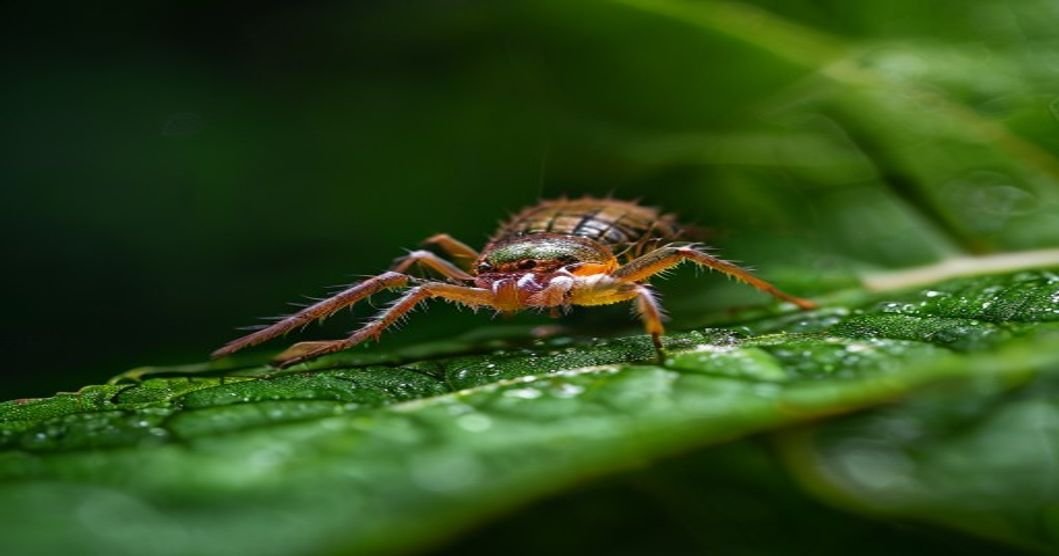

There’s a quiet revolution happening on the windowsills and in the plant corners of apartments across the United States. It’s a shift in strategy, a move away from the familiar spray bottle of neem oil towards a more sophisticated, living solution. For years, neem oil has been the go-to, the trusted first line of defense for houseplant enthusiasts battling common pests. But a growing chorus of frustrated plant parents are discovering a hard truth: it’s not working like it used to. Pests like thrips and spider mites, the bane of many a collection, are shrugging off treatments that once kept them in check. This growing ineffectiveness has paved the way for a new champion in the fight for healthy houseplants: biological pest warfare. This isn’t about chemicals or oils; it’s about deploying a microscopic army of beneficial insects to do the dirty work for you. In this comprehensive guide, we’ll explore why the tide is turning against neem oil and provide a deep dive into the world of predatory mites, the tiny titans leading the charge in modern, indoor pest management.
The Fading Reign of Neem Oil: A Story of Resistance
For the modern houseplant owner, the scent of neem oil is as familiar as the smell of fresh soil. It’s been touted for decades as the organic, all-in-one solution for everything from powdery mildew to aphids. But to understand why it’s losing its crown, we first need to understand how it was supposed to win the war in the first place, and how our most formidable enemies have learned its battle plan.
Understanding Neem Oil: How It’s Supposed to Work
Neem oil is derived from the seeds of the neem tree (Azadirachta indica). Its power lies in a cocktail of compounds, most notably one called Azadirachtin. This compound is a marvel of nature, and it attacks pests on multiple fronts:
- Antifeedant: When a pest like a spider mite ingests Azadirachtin, it disrupts its appetite, causing it to stop feeding on your precious plant’s leaves.
- Hormone Disruptor: It acts as an insect growth regulator, interfering with the molting process. An insect larva that ingests neem may be unable to transition to its next life stage, effectively halting the reproductive cycle.
- Repellent: The strong, garlicky-sulfur smell of neem oil can deter some pests from landing on a plant in the first place.
- Smothering Agent: Like other horticultural oils, when emulsified with soap and water and sprayed, the oil can coat the bodies of soft-bodied insects like aphids and mealybugs, blocking their breathing spiracles and suffocating them.
For a long time, this multi-pronged approach was highly effective against casual infestations. A weekly spray-down could keep minor issues at bay. But our most persistent indoor foes are anything but casual.
The Super-Pests: Why Thrips and Spider Mites Are Winning the Battle
The core reason for neem oil’s declining efficacy is a classic tale of evolution: pesticide resistance. When you use the same treatment repeatedly, you inadvertently create a stronger generation of pests. The treatment kills off the weakest individuals, but the few that have a slight natural tolerance survive. These survivors then reproduce, passing their resilient genes to their offspring. After many generations, you’re left with a population that is largely unfazed by the original threat.
Thrips and spider mites are particularly adept at developing this resistance for two key reasons: their incredibly fast life cycles and their sheer reproductive numbers.
The Thrips Challenge: Thrips are notoriously difficult to control. An adult female thrips can lay up to 80 eggs in her short lifetime. Crucially, she often inserts these eggs directly into the soft tissue of leaves and stems, where topical sprays like neem oil can’t reach them. Furthermore, part of their life cycle occurs in the soil as pupae. So, even if you manage to spray and kill the adults on the leaves, a new generation is already developing, safe from harm. The ones that do hatch and survive a neem treatment are the strongest, and they quickly create a new, more resistant population.
The Spider Mite Problem: Two-spotted spider mites are the undisputed champions of rapid reproduction. In the warm, dry conditions of a typical US home, a female can go from egg to egg-laying adult in as little as five days. She can lay up to 20 eggs per day. A single mite can lead to a population of over a million individuals in just one month. With this rate of reproduction, the evolutionary process of resistance is put on hyper-speed. What worked in May might be completely ineffective by July because you’re dealing with the great-great-great-grandchildren of the original mites, and they’ve inherited the genes of the toughest survivors.
The Collateral Damage: Neem’s Impact on Plant Health
Beyond resistance, many plant owners are growing wary of the potential side effects of neem oil itself. While organic, it’s not entirely benign. Improperly mixed solutions (too much oil or soap) or spraying during the hottest part of the day can lead to phytotoxicity, essentially a chemical burn on the leaves. This often presents as yellow or brown spots and can cause more cosmetic damage than the pests themselves. Furthermore, the thick oil can clog a plant’s stomata—the tiny pores on leaves used for gas exchange—hindering its ability to “breathe.” This combination of growing pest resistance and the risk of harming their plants has sent US plant owners searching for a better, smarter way to manage pests. For a deeper look at all the issues that can affect your plants, feel free to browse our pests category for more articles.
The Rise of the Good Bugs: An Introduction to Biological Pest Warfare
Enter the “good bugs.” Biological pest warfare, a key component of a strategy called Integrated Pest Management (IPM), is the practice of using living organisms—predators, parasitoids, and pathogens—to control pest populations. Instead of blanketing a plant with a substance that aims to kill, you are introducing a natural predator that actively hunts and consumes the pests. It’s creating a tiny, balanced ecosystem right on your plant’s leaves. It’s a proactive, self-regulating, and incredibly effective approach that completely sidesteps the problem of chemical resistance.
Meet the Tiny Titans: Your New Best Friends
For the indoor plant enthusiast, the most accessible and effective biological controls are predatory mites and insects. These are not the creepy crawlies you’re used to fighting; these are your allies. They are microscopic or incredibly small, have no interest in you, your pets, or your home, and are singularly focused on one thing: eating the pests that are destroying your plants. Let’s meet two of the most popular soldiers for indoor deployment.
The Thrips Terminator: Amblyseius swirskii
Amblyseius swirskii (often just called “Swirskii”) is a tiny predatory mite that has become a hero in the houseplant community. It’s a pale-colored, pear-shaped mite, barely visible to the naked eye, that is an absolute powerhouse against the juvenile stages of thrips. While adults might be its main target, the true value of Swirskii is its voracious appetite for thrips larvae. By consuming the young before they can mature and reproduce, it effectively breaks the pest life cycle. Swirskii mites are also generalists, meaning they won’t starve if they wipe out the thrips population. They will happily munch on the eggs of whiteflies, broad mites, and even sustain themselves on pollen, meaning they can stick around for a while as a preventative force. They are perfect for the warm conditions found in most homes and are the top choice for tackling a burgeoning thrips problem.
The All-Purpose Assassin: Orius insidiosus (Minute Pirate Bug)
While mites are fantastic, sometimes you need a predator that can take down the adults. Orius insidiosus, commonly known as the Minute Pirate Bug, is that predator. This is a “true bug,” not a mite, and it’s slightly larger and more mobile. Orius is an aggressive and effective hunter with a sharp beak-like mouthpart it uses to pierce its prey and drain its contents. It is a fantastic generalist predator, eagerly hunting adult thrips, spider mites, aphids, and other small pests. The main consideration for indoor use is that unlike mites, Orius can fly. While they are not strong fliers and tend to stay on the plants where the food is, they have more potential to roam. They have also been known to give a harmless but surprising “test bite” to humans, which feels like a small pinprick. For this reason, they are often used for very heavy infestations in a more contained area rather than for general prevention throughout a home.
Why Biological Controls are a Game-Changer
The switch to biological pest warfare is more than just a trend; it’s a fundamental shift in how we approach plant care. The benefits are immense:
- No Resistance: A spider mite cannot evolve a resistance to being eaten. This is a permanent solution.
- Targeted Action: Predatory mites hunt only their prey. There is no collateral damage to your plant, your pets, or beneficial soil microbes.
- Set and Forget: Once released, they do the work for you. No more weekly spraying, wiping, and worrying. The army is on patrol 24/7.
- Safety: It is unequivocally the safest method for pest control in a home with children and pets. You are not introducing any toxins or chemicals into your living space.
The Apartment Dweller’s Guide: Deploying Predatory Mites Without an Escape
The single biggest fear for US plant owners living in apartments or smaller homes is understandable: “If I release bugs in my house, won’t they be everywhere?” It’s a valid concern, but one that is easily addressed with a little knowledge and strategy. These aren’t houseflies or ants; their entire world is the plant they live on.
Debunking the Myth: Will My Apartment Be Overrun?
Let’s put this fear to rest. Predatory mites like A. swirskii are incredibly small, about 0.5mm long. You would need a magnifying glass to see one clearly. They cannot fly, and they move relatively slowly. More importantly, their entire life cycle is dependent on their food source (the pests) and the specific environment of the plant (humidity and temperature). They have absolutely no interest in your furniture, your food, or you. When they have eaten all the available pests and there is no more food, their population naturally dwindles and dies off. You are not starting a permanent new colony of bugs in your home; you are releasing a temporary, targeted treatment that eliminates itself once the job is done.
Strategic Deployment: A Step-by-Step Plan for Indoor Success
To ensure maximum effectiveness and peace of mind, follow this battle plan for releasing your beneficials.
- Identify the Enemy Correctly: Before you order your troops, you need to know who you’re fighting. Are those tiny webs from spider mites, or is that silvery leaf damage a sign of thrips? Misidentification can lead to ordering the wrong predator. If you’re unsure, use a trusted resource like our disease-finder tool to accurately diagnose the problem.
- Establish a Quarantine Zone: This is the most critical step. Immediately isolate the infested plant(s) from the rest of your collection. Move them to a separate room, like a bathroom or spare bedroom. This prevents the pests from spreading and creates a concentrated “battle arena” for your predators.
- Order Your Army: Purchase your predatory mites from a reputable online supplier in the US. They are living organisms and are shipped overnight, often with a small cold pack to keep them dormant and safe during transit. Plan to release them the same day they arrive.
- Choose Your Application Method: Beneficials typically come in two formats:
- Slow-Release Sachets: These are small paper pouches that contain a colony of mites and a food source. You simply hang the sachet from a stem on the plant. Over several weeks, the mites will emerge from a tiny hole and patrol the plant. This is the best method for prevention or for very light infestations.
- Shaker Bottles/Tubes: For active, established infestations, you’ll want a loose material application. The mites are shipped in a carrier medium like vermiculite or bran. You gently rotate the tube to mix them and then lightly shake the contents over the leaves and stems of the infested plant, focusing on the undersides of leaves and nodes where pests hide.
- Maintain the Containment Zone: For ultimate peace of mind, you can place your quarantined plant inside a large, clear storage bin or a small pop-up greenhouse tent. This not only guarantees no mites will wander off, but it also makes the next step—managing humidity—incredibly easy.
Ready for Repotting?
After your beneficials have won the war, it’s a great idea to give your plant a fresh start in a clean pot with new soil to remove any remaining pest eggs or pupae. These QRRICA Plant Pots are perfect for the job. They have excellent drainage, a clean modern look, and come in a set of 5—ideal for all your quarantine graduates!
Creating the Perfect Battlefield: Humidity and Environmental Needs
You can release the world’s best predators, but if you don’t provide them with the right environment, your mission will fail. For predatory mites, the single most important environmental factor is humidity. This is often the step that new users miss, leading to disappointing results.
Why Humidity is the Secret Weapon
While adult predatory mites can tolerate a range of conditions, their eggs are extremely sensitive to dry air. For eggs to successfully hatch and for the population to establish itself and fight your pests, they require consistently high humidity, ideally in the 65-75% range. The average US home, especially in winter when heating systems are running, can have humidity levels as low as 20-30%. In such dry conditions, the mite eggs will desiccate and die, and your expensive army will never even be born. This is why managing humidity in your quarantine zone is not just a suggestion—it’s essential for victory.
How to Boost Humidity for Your Beneficials
Creating a humid microclimate for your treated plant is simple:
- The Greenhouse/Bin Method: The easiest and most effective way is to use the clear storage bin or greenhouse tent mentioned earlier. By enclosing the plant, you trap the moisture that it naturally transpires, quickly raising the ambient humidity. You can open it for an hour a day to allow for air exchange.
- Use a Humidifier: Place a small humidifier next to the quarantined plant and run it for several hours a day. This is a great option if you can’t enclose the plant.
- Pebble Trays: A lower-tech option is to place the plant’s pot on a tray filled with pebbles and water. As the water evaporates, it will increase the humidity directly around the plant. Ensure the bottom of the pot is sitting on the pebbles, not in the water, to avoid root rot.
- Consistent Watering: A properly watered plant is a healthy plant that transpires effectively, contributing to local humidity. Don’t let the soil dry out completely, as this stresses the plant and creates the dry conditions spider mites love. Unsure about your plant’s specific needs? Our handy watering calculator can help you establish a healthy and consistent routine.
Temperature is also a factor. Most predatory mites, like A. swirskii, perform best in the same temperatures we find comfortable, typically between 68-85°F (20-29°C). Normal indoor temperatures are almost always perfect for them to thrive.
Conclusion: The Future of Houseplant Pest Control is Alive
The shift from reactive spraying with neem oil to proactive management with biological controls marks a significant evolution in houseplant care. It’s a move from being a plant’s janitor, constantly cleaning up messes, to being a true ecosystem manager. While neem oil will always have a place for certain fungal issues or for very minor, specific pests, its effectiveness as a broad-spectrum insecticide is waning in the face of rapidly adapting super-pests like thrips and spider mites.
Biological pest warfare using predatory mites offers a solution that is not only more effective in the long run but is also safer, more sustainable, and ultimately more rewarding. It may seem daunting at first, but releasing these tiny allies is surprisingly simple and incredibly powerful. By understanding their needs and deploying them strategically, US plant owners are taking back control from stubborn pests and fostering healthier, more resilient indoor jungles. This isn’t just a trend; it’s a smarter, more harmonious way to live with plants. For more information on tackling all kinds of unwelcome visitors, be sure to explore our comprehensive pests category.
The 2026 Comprehensive Masterclass: Botanical Deep Dive
To truly understand the nuances of the concepts discussed above, we must transition from basic houseplant care to advanced botanical mechanics. Elite plant collectors do not rely on guesswork; they rely on environmental control, photobiology, and soil chemistry. In this masterclass section, we will systematically unpack the advanced science necessary to maintain a hyper-optimized indoor jungle.
Part 1: The Physics of Lighting and Photobiology
Lighting is the fundamental engine of biological growth. Without adequate Daily Light Integral (DLI) and Photosynthetic Photon Flux Density (PPFD), any adjustments made to watering or fertilizing are entirely useless. When you place a plant in a corner, you are not just dimming its environment; you are actively starving it.
Understanding PAR and PPFD
Photosynthetically Active Radiation (PAR) designates the spectral range (wave band) of solar radiation from 400 to 700 nanometers that photosynthetic organisms are able to use in the process of photosynthesis. PPFD measures the amount of PAR that actually arrives at the plant. It is measured in micromoles per square meter per second (μmol/m²/s).
- Low-Light Plants (e.g., Snake Plants, ZZ Plants): Require a PPFD of 20 to 50 μmol/m²/s. While they survive here, they will rarely trigger massive new growth.
- Medium-Light Plants (e.g., Calatheas, Philodendrons): Require a PPFD of 50 to 150 μmol/m²/s. At this range, they begin to express deeper variegation colors and stronger petiole rigidity.
- High-Light Plants (e.g., Monsteras, Ficus, Cacti): Require a baseline of 200 to 400+ μmol/m²/s to exhibit maximum fenestration (leaf holes) and secondary branching.
Part 2: Soil Chemistry, CEC, and Hydrophobicity
Your potting mix is not just a physical anchor for your plant; it is a bio-active chemical reactor. The most critical metric in any soil mix is its Cation Exchange Capacity (CEC).
Cation Exchange Capacity Explained
CEC is the measure of a soil’s ability to hold and release various elements and compounds through electrical charges. Highly organic materials like Peat Moss and Coco Coir have a very high CEC, meaning they grab onto fertilizer molecules (like Nitrates and Phosphates) and hold them so the roots can slowly feed over time. This is why placing a plant purely in gravel (which has a CEC of nearly zero) requires constant, daily nutrient flushing (hydroponics).
The Hydrophobic Death Trap
When high-CEC soils, particularly peat moss, dry out entirely, they undergo a mechanical failure known as hydrophobicity. The organic fibers shrink and lock tightly together. When water is introduced, the surface tension is too high to penetrate the locked fibers. The water channels directly down the sides of the pot. To break the hydrophobic barrier, you must use a surfactant (like a mild dish soap solution) or submerge the pot entirely for 45 minutes to force capillary hydration upward against gravity.
Part 3: Advanced Hydration Dynamics (Capillary Action)
Water does not simply flow downward. In the micro-environment of a plant pot, capillary action often overcomes gravity.
The Perched Water Table (PWT): No matter how much drainage you place at the bottom of a container, the lowest contiguous section of soil will always remain identically saturated. This is physics. If you put 3 inches of rocks at the bottom of a pot, you do not improve drainage; you merely push the soggy PWT three inches higher into the root mass, radically increasing the risk of Pythium (root rot). This is why nursery pots with numerous drainage holes placed directly on a porous surface are the only empirically sound container choice.
Part 4: The Pathogen War (Fungal vs Bacterial)
When a plant fails, the visual symptom (yellowing, dropping leaves) is merely the final stage of a prolonged microscopic war.
Anaerobic Pathogens
When a soil is over-hydrated, oxygen molecules are physically displaced by water molecules. Roots require oxygen to respire. As roots suffocate, the cells burst and die. This dead tissue becomes an immediate food source for anaerobic bacteria—bacteria that thrive strictly in zero-oxygen environments. The bacteria consume the dead roots, creating a sulfurous, rotting odor. To combat this, elite growers use Hydrogen Peroxide (H2O2) drenches. The extra, highly unstable oxygen atom in H2O2 detonates on contact, forcefully oxidating the anaerobic bacteria and re-oxygenating the root zone.
Part 5: Comprehensive Houseplant Glossary of Terms
To ensure absolute clarity for our readers, we have compiled an exhaustive glossary of the terms heavily utilized within the professional botanical sphere:
- Aroid: A common name for plants in the Araceae family, characterized by a spathe and spadix inflorescence (e.g., Philodendrons, Monsteras).
- Chlorosis: The yellowing of leaf tissue due to a lack of chlorophyll, often caused by nutrient deficiencies or root suffocation.
- Etiolation: The stretching and weakening of stems as a plant aggressively reaches toward a distant light source.
- Fenestration: The natural occurrence of holes or deep splits in the leaves of mature plants, designed to allow wind and light to pass through to the lower canopy.
- Node: The vital junction on a stem where leaves, aerial roots, and new growth points (eyes) emerge. A cutting without a node will never grow a new plant.
- Variegation: A genetic (chimeric) or viral mutation resulting in distinct zones of differently colored tissue (typically white or yellow) due to an absence of chlorophyll in those areas.
- Transpiration: The biological process by which a plant absorbs water through its roots and subsequently releases it as vapor through micro-pores (stomata) on its leaves.
Conclusion: The 2026 Shift in Plant Ownership
The era of buying a plant and hoping for the best is over. Modern houseplant ownership requires a foundational understanding of physics, chemistry, and biology. By tracking your PPFD, balancing your soil’s CEC, and actively managing the Perched Water Table, you ensure your indoor jungle moves from simple survival to massive, aggressive growth.
Frequently Asked Questions
What are the best conditions for this plant?
Most houseplants thrive in bright, indirect light with temperatures between 65-80F (18-27C). Ensure good drainage and water when the top inch of soil feels dry.
How often should I water?
Watering frequency depends on the plant species, pot size, and environment. A general rule is to check the soil moisture before watering. Overwatering is the most common cause of houseplant death.
What soil mix works best?
A well-draining mix of peat moss, perlite, and orchid bark works well for most tropical houseplants. Succulents prefer a grittier mix with more sand and perlite.
Quick Care Reference
| Factor | Requirement | Notes |
|---|---|---|
| Light | Bright indirect | Avoid direct afternoon sun |
| Water | When top inch dry | Reduce in winter |
| Humidity | 50-70% | Mist or use pebble tray |
| Temperature | 65-80F (18-27C) | Avoid cold drafts |
| Soil | Well-draining mix | Peat, perlite, bark |
| Fertilizer | Monthly (spring-summer) | Half-strength balanced |