
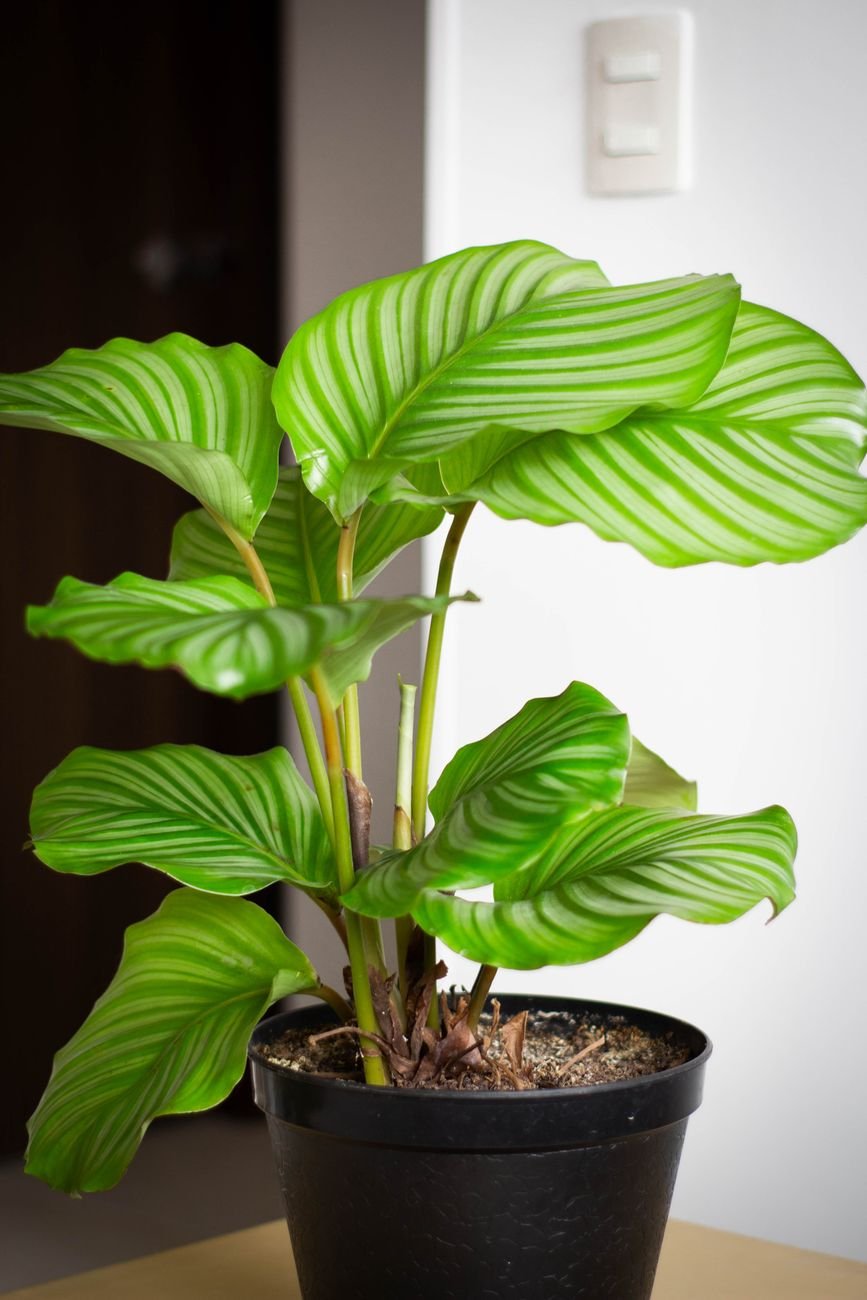

The Calathea Conundrum: Unlocking Vibrant Prayer Plant Growth
Calatheas, with their stunning foliage and captivating patterns, are a coveted addition to any indoor plant collection. Often referred to as prayer plants due to their leaves folding upwards at night, these beauties bring a touch of the tropics to your home. However, their demanding nature often leaves plant enthusiasts scratching their heads, battling brown edges and lackluster growth. The key to Calathea success lies in understanding their specific needs, particularly when it comes to humidity, watering, and light. This guide provides the expert knowledge you need to transform your struggling Calathea into a thriving showstopper.
Understanding Calathea’s Tropical Origins
Calatheas are native to the understory of tropical rainforests in South America. This environment is characterized by consistently high humidity, dappled sunlight, and well-draining, slightly acidic soil. Replicating these conditions in your home is crucial for their well-being. The most common issue faced by Calathea owners is brown, crispy edges, a direct result of inadequate humidity.
Humidity: Calathea’s Liquid Gold
Humidity is paramount for Calathea health. These plants thrive in humidity levels between 60-80%. The average home humidity is often significantly lower, especially during winter months when heating systems dry out the air. Low humidity causes the plant to lose moisture faster than it can replenish it, leading to those dreaded brown edges.
Measuring Humidity: Know Your Environment
The first step in addressing humidity issues is to accurately measure the humidity levels in your home. A simple hygrometer, often combined with a thermometer, is an inexpensive and effective tool. You can find reliable digital hygrometers on Amazon that will give you accurate readings.
Boosting Humidity: Practical Solutions
There are several ways to increase humidity around your Calathea:
- Humidifier: A humidifier is the most effective and consistent way to maintain high humidity levels. Choose a cool-mist humidifier, as they are energy-efficient and safe for plants. Place the humidifier near your Calathea, ensuring the plant isn’t directly in the path of the mist.
- Pebble Tray: Fill a shallow tray with pebbles and add water, ensuring the water level is below the top of the pebbles. Place your Calathea pot on top of the pebbles. As the water evaporates, it will increase the humidity around the plant.
- Grouping Plants: Grouping plants together creates a microclimate with higher humidity. As plants transpire, they release moisture into the air, benefiting each other.
- Misting: While misting can provide a temporary boost in humidity, it’s not a long-term solution. The effects are short-lived, and frequent misting can create conditions that promote fungal growth. If you choose to mist, do so in the morning to allow the leaves to dry before nightfall.
- Bathroom Oasis: If your bathroom has a window and decent lighting, it can be an ideal spot for your Calathea, as bathrooms naturally have higher humidity levels.
Watering: Finding the Right Balance
Calatheas prefer consistently moist, but not soggy, soil. Overwatering is just as detrimental as underwatering. Here’s how to water your Calathea correctly:
- Use Filtered or Distilled Water: Calatheas are sensitive to the minerals and chemicals in tap water, such as fluoride and chlorine, which can cause brown tips and leaf spotting. Use filtered, distilled, or rainwater.
- Water When the Top Inch of Soil is Dry: Check the soil moisture by inserting your finger about an inch deep. If it feels dry, it’s time to water.
- Water Thoroughly: When you water, saturate the soil completely, allowing excess water to drain out of the drainage holes.
- Empty the Saucer: Never let your Calathea sit in standing water. Empty the saucer beneath the pot after watering to prevent root rot.
- Consider a Moisture Meter: If you’re unsure about watering, a moisture meter can be a helpful tool. You can find affordable and reliable moisture meters on Amazon.
Light: Bright, Indirect is Best
Calatheas thrive in bright, indirect light. Direct sunlight can scorch their delicate leaves. An east-facing window is often ideal, providing gentle morning sun. A north-facing window can also work, but the light may be less intense. If you have a south- or west-facing window, place your Calathea further away from the window or use a sheer curtain to diffuse the light.
Signs of Incorrect Lighting
* Pale Leaves: Indicate insufficient light.
* Scorched Leaves: Indicate too much direct sunlight.
* Faded Patterns: Can also indicate insufficient light.
Supplemental Lighting
If you don’t have adequate natural light, consider using a grow light. LED grow lights are energy-efficient and provide the full spectrum of light that plants need to thrive. You can find a variety of grow lights on Amazon, from small clip-on lights to larger panel lights.
Soil: The Foundation for Healthy Growth
Calatheas need well-draining, slightly acidic soil. A good potting mix for Calatheas should retain moisture but also allow for adequate drainage to prevent root rot. A mixture of peat moss, perlite, and vermiculite is a good starting point. You can also find specialized Calathea potting mixes on Amazon.
Repotting
Repot your Calathea every 1-2 years, or when it becomes root-bound. Choose a pot that is only slightly larger than the previous one. Repotting into a pot that is too large can lead to overwatering issues.
Common Calathea Varieties and Their Specific Needs
Different Calathea varieties have slightly different needs, although the principles of humidity, watering, and light remain the same. Here’s a comparison of some popular varieties:
| Variety | Leaf Characteristics | Light Requirements | Watering Frequency | Humidity Needs |
|---|---|---|---|---|
| Calathea ornata (Pinstripe Calathea) | Dark green with pink stripes | Bright, indirect | When top inch of soil is dry | High (60-80%) |
| Calathea makoyana (Peacock Plant) | Oval leaves with intricate patterns | Bright, indirect | When top inch of soil is dry | High (60-80%) |
| Calathea zebrina (Zebra Plant) | Large, oval leaves with zebra-like stripes | Bright, indirect | When top inch of soil is dry | High (60-80%) |
| Calathea lancifolia (Rattlesnake Plant) | Long, narrow leaves with wavy edges and dark green spots | Bright, indirect | When top inch of soil is dry | High (60-80%) |
| Calathea roseopicta (Rose-Painted Calathea) | Rounded leaves with striking pink and green patterns | Bright, indirect | When top inch of soil is dry | High (60-80%) |
Addressing Brown Edges: A Step-by-Step Guide
If your Calathea already has brown edges, don’t despair! Here’s how to address the issue:
- Assess the Cause: Is the humidity too low? Are you using tap water? Is the plant getting too much direct sunlight? Identify the underlying cause.
- Adjust Care Practices: Implement the humidity-boosting techniques mentioned above. Switch to filtered or distilled water. Move the plant to a location with better lighting.
- Trim the Brown Edges: Use clean, sharp scissors to trim away the brown edges. Cut along the natural shape of the leaf to avoid a jagged appearance.
- Monitor the Plant: Observe the plant closely for any signs of improvement. It may take several weeks to see a noticeable difference.
- Be Patient: Calatheas can be slow to recover. Don’t get discouraged if you don’t see immediate results. Consistency is key.
Pests and Diseases
Calatheas are susceptible to common houseplant pests such as spider mites, mealybugs, and aphids. Regularly inspect your plant for signs of infestation. If you find pests, treat them promptly with insecticidal soap or neem oil. Root rot can occur if the plant is overwatered or if the soil doesn’t drain well. Ensure proper drainage and avoid overwatering to prevent root rot.
Troubleshooting Common Calathea Problems
* Yellowing Leaves: Can indicate overwatering, underwatering, or nutrient deficiency.
* Drooping Leaves: Can indicate underwatering, low humidity, or cold drafts.
* Curling Leaves: Can indicate low humidity or underwatering.
Internal Linking Opportunities
For more information on related topics, check out our guide to [houseplant pest control](internal-link-to-pest-control-article), our tips on [choosing the right potting mix](internal-link-to-potting-mix-article), and our advice on [increasing humidity for tropical plants](internal-link-to-humidity-guide).
Conclusion: A Rewarding Journey with Calatheas
While Calatheas can be challenging, their exquisite beauty makes the effort worthwhile. By understanding their needs and providing the right environment, you can enjoy these stunning plants for years to come. Remember, consistent care and attention are the keys to success. With a little patience and dedication, you can conquer the Calathea conundrum and create a thriving indoor jungle.
FAQ: Calathea Care Questions Answered
Why are the edges of my Calathea leaves turning brown?
The most common cause of brown edges on Calathea leaves is low humidity. Other factors include using tap water, inconsistent watering, and exposure to direct sunlight.
How often should I water my Calathea?
Water your Calathea when the top inch of soil feels dry. Avoid overwatering, as this can lead to root rot.
What kind of light does a Calathea need?
Calatheas thrive in bright, indirect light. Avoid direct sunlight, which can scorch their leaves.
What type of soil is best for Calatheas?
Calatheas need well-draining, slightly acidic soil. A mixture of peat moss, perlite, and vermiculite is a good option.
How can I increase humidity for my Calathea?
Use a humidifier, pebble tray, group plants together, or mist the plant regularly.
Advanced Calathea Care: Pro Tips from the Experts
Beyond the basics, achieving truly vibrant, edge-free Calathea foliage requires a deeper understanding of their nuanced needs. Here are some experience-based insights to elevate your care routine:
Pro Tip 1: The Unsung Hero – Soil Aeration & Water Purity
Many focus solely on humidity, but neglected soil aeration and mineral buildup from tap water are often the silent culprits behind persistent brown edges. Calatheas despise compacted soil and thrive on consistent, gentle moisture. Regularly (every 2-3 months) use a chopstick or thin rod to gently poke aeration holes around the root ball, avoiding major roots. Furthermore, always use distilled, rainwater, or filtered tap water that has been left out for at least 24 hours to allow chlorine to dissipate and some minerals to settle. Consider a reverse osmosis filter for long-term mineral management. This ensures roots can breathe and absorb nutrients efficiently, preventing the osmotic stress that leads to crispy leaf margins, even when humidity is high.
Pro Tip 2: Master the Microclimate – Beyond Just Misting
Misting offers fleeting humidity. True mastery lies in creating a stable, high-humidity microclimate. Group your Calatheas with other humidity-loving plants to create a localized humid zone. Utilize a quality ultrasonic humidifier positioned nearby, ensuring it runs consistently, especially during dry seasons or when heating/AC is active. Critically, ensure gentle air circulation (e.g., a small, oscillating fan on its lowest setting, *not* blowing directly on the plants) to prevent stagnant air, which can lead to fungal issues like powdery mildew, while still maintaining high ambient humidity. Avoid placing them near drafts from windows, doors, or vents, which can rapidly strip moisture from the leaves and soil, negating your humidity efforts.
Pro Tip 3: Root Health First – The Gentle Art of Inspection
The health of your Calathea is often dictated by its roots. Instead of immediate repotting at the first sign of struggle, gently unpot your plant every 6-12 months for a quick, non-disruptive root inspection. Look for firm, white roots – any mushy, brown, or black sections indicate root rot, often from overwatering or poorly draining soil. If you find minor issues, gently trim affected roots with sterilized shears and repot into fresh, well-draining soil. If roots are healthy but the plant seems stunted, consider if it’s root-bound. However, avoid unnecessary repotting; Calatheas prefer to be slightly root-bound and can be sensitive to root disturbance. Sometimes, simply refreshing the top layer of soil or improving aeration can provide enough revitalization without the stress of a full repot.
Frequently Asked Questions About Calathea Care