
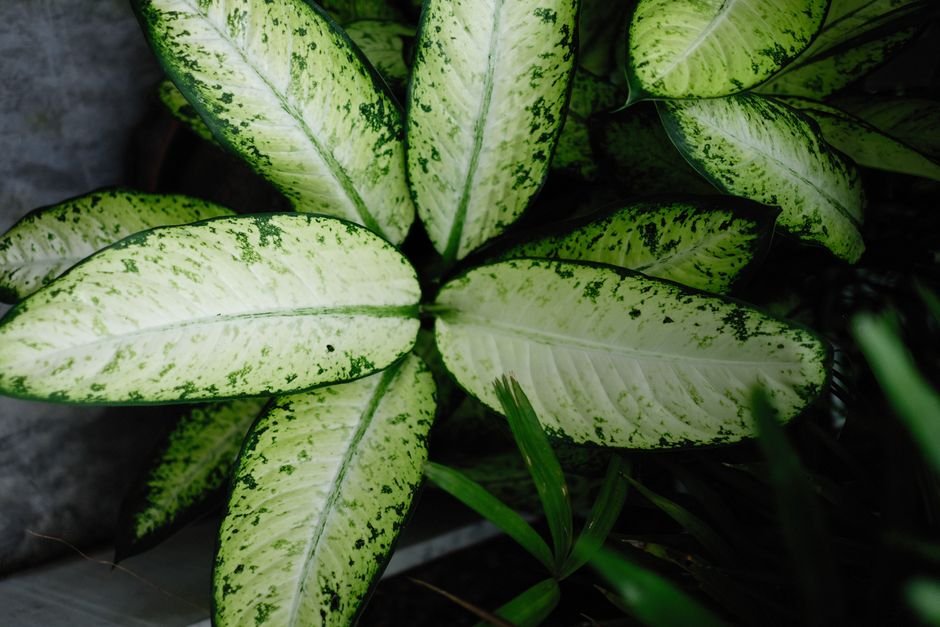

Welcome, fellow plant enthusiasts! As a senior horticulturist at PlantsMag.com, I’m thrilled to share an in-depth Dieffenbachia care guide to help you nurture this stunning houseplant in your US home. Known colloquially as ‘Dumb Cane’ due to the temporary speech impairment caused by ingesting its sap (a crucial safety note we’ll discuss), Dieffenbachia species are beloved for their striking, variegated foliage that brings a touch of the tropics indoors. While their beauty is undeniable, understanding their specific needs is key to a flourishing plant. Let’s delve into making your Dumb Cane a vibrant centerpiece.
Understanding Dieffenbachia: A Tropical Introduction
Dieffenbachia is a genus of tropical flowering plants in the Araceae family, native to the New World tropics from Mexico and the West Indies south to Argentina. Their large, oblong leaves come in an array of patterns, typically featuring shades of green, cream, and yellow. Common varieties found in US nurseries include ‘Camilla’ (light green with creamy centers), ‘Tropic Snow’ (dark green with prominent white variegation), and ‘Reflector’ (dark green with lime green spots). These plants are generally grown as houseplants in USDA Hardiness Zones 9-11, where they can be grown outdoors year-round, but thrive indoors across all zones with proper care. Their robust growth habit makes them excellent statement plants, often reaching heights of 3-6 feet indoors if given the right conditions.
Essential Light Requirements for Dumb Cane
Light is a critical factor for Dieffenbachia’s vibrant leaf patterns and overall health. These plants prefer bright, indirect light. Think of their natural habitat: beneath the canopy of larger trees, receiving dappled sunlight. Direct, harsh sunlight, especially during peak afternoon hours, can scorch their delicate leaves, leading to faded colors and brown patches. Conversely, too little light will cause leggy growth, smaller leaves, and a loss of variegation, making the plant appear dull and uninteresting. An east-facing window is often ideal, providing gentle morning sun, or a few feet back from a south or west-facing window. If natural light is scarce, a supplementary grow light, such as a full-spectrum LED like the GE BR30 LED Grow Light Bulb, can be highly beneficial, especially during shorter winter days. Rotate your plant every few weeks to ensure even growth and light exposure on all sides.
Watering and Humidity: The Moisture Balance
Proper watering is perhaps the most common challenge for Dieffenbachia owners. These plants prefer consistently moist, but not waterlogged, soil. Overwatering is a leading cause of root rot, while underwatering leads to wilting and crispy leaves. The key is to let the top 1-2 inches of soil dry out before watering again. Using a moisture meter, like the XLUX T10 Soil Moisture Meter, can take the guesswork out of watering, ensuring you provide moisture precisely when needed. When you do water, do so thoroughly until water drains from the bottom of the pot. Discard any standing water in the saucer to prevent root issues.
Humidity Needs for Dieffenbachia
Originating from humid tropical environments, Dieffenbachia thrives in high humidity. Average household humidity (around 30-40%) is often insufficient, especially in drier climates or during winter months when heating systems are active. Aim for humidity levels between 60-70%. You can achieve this by misting your plant daily (though this offers only temporary relief), placing it near a humidifier (a much more effective solution), or grouping it with other humidity-loving plants to create a microclimate. Pebble trays filled with water can also help, as the evaporating water increases local humidity around the plant.
Developing a Watering Schedule
A rigid watering schedule isn’t ideal, as environmental factors like temperature, light, and pot size affect soil drying rates. Instead, feel the soil or use your moisture meter. In summer, you might water every 5-7 days; in winter, perhaps every 10-14 days. Always check the soil first.
Soil and Fertilization: Nourishing Your Plant
The right soil mix and a consistent feeding regimen are vital for a healthy, robust Dieffenbachia.
Ideal Soil Mix for Dumb Cane
Dieffenbachia requires a well-draining, aerated potting mix that retains some moisture. A standard aroid mix or a high-quality general-purpose potting mix amended with perlite or coarse sand for drainage and some coco coir or peat moss for moisture retention works wonderfully. Avoid heavy, compacted soils that can suffocate roots. Brands like FoxFarm Ocean Forest Potting Soil offer excellent drainage and nutrient content, often needing minimal amendments. Ensure your pot has drainage holes to prevent waterlogging.
Feeding Your Dieffenbachia
During the active growing season (spring and summer), feed your Dieffenbachia every 2-4 weeks with a balanced liquid fertilizer, diluted to half strength. A 20-20-20 or similar ratio is generally suitable. Products like Espoma Organic Indoor Plant Food are popular choices among US gardeners. Reduce or cease fertilization during fall and winter when the plant’s growth naturally slows down. Over-fertilization can lead to salt buildup in the soil, potentially burning the roots, so always err on the side of caution and flush the soil periodically with plain water to remove excess salts.
Potting, Pruning, and Propagation
Knowing when and how to repot, prune, and propagate your Dieffenbachia will keep it looking its best and allow you to expand your collection.
Repotting Your Dieffenbachia
Dieffenbachia typically needs repotting every 1-2 years, or when it becomes root-bound. Signs of root-bound include roots growing out of drainage holes, water sitting on top of the soil, or stunted growth. Choose a pot only one size larger (e.g., from 8-inch to 10-inch) to avoid overwatering issues. Repot in spring when the plant is actively growing. Gently remove the plant, loosen any circling roots, and replant in fresh, well-draining soil.
Pruning for Health and Shape
Pruning is essential for maintaining a compact, bushy shape and removing leggy or yellowing stems. Use sharp, sterilized pruning shears. When pruning, always wear gloves to protect your skin from the irritating sap. You can cut back tall, leggy stems to encourage new growth from the base. Don’t be afraid to prune aggressively; Dieffenbachia is quite resilient and will often reward you with fuller growth.
Propagating Dieffenbachia
Propagating Dieffenbachia is a rewarding way to create new plants from existing ones. Stem cuttings are the most common and successful method:
- Select a Healthy Stem: Choose a mature stem that is at least 6-8 inches long with several nodes (where leaves attach).
- Make the Cut: Using clean, sharp shears, cut just below a node. You can also cut the stem into 2-3 inch sections, ensuring each section has at least one node.
- Remove Lower Leaves: Strip off any leaves from the bottom half of your cutting to prevent rot.
- Allow to Callus: Let the cut end air dry for a few hours or overnight. This helps prevent rot when placed in water or soil.
- Rooting Medium: Place the cutting in a jar of water (changing water every few days) or directly into a moist, well-draining potting mix. For soil propagation, dipping the cut end in rooting hormone can increase success rates.
- Provide Warmth and Humidity: Place the cutting in a warm spot with bright, indirect light. For soil cuttings, covering the pot with a plastic bag can create a mini-greenhouse effect, boosting humidity.
- Monitor for Roots: Roots typically appear in 3-6 weeks. Once roots are a few inches long (for water propagation), transplant into soil.
Safety First: Handling Dieffenbachia
It’s crucial to address the elephant in the room: Dieffenbachia’s toxicity. The plant contains calcium oxalate crystals, which, if ingested, can cause severe irritation of the mouth, throat, and digestive tract, leading to swelling, pain, and temporary speech loss (hence ‘Dumb Cane’). Always wear gloves when handling or pruning your Dieffenbachia, especially if you have sensitive skin. Keep the plant out of reach of children and pets. If ingestion occurs, seek immediate medical or veterinary attention. While beautiful, responsible ownership is paramount.
Dieffenbachia Care Requirements at a Glance
| Category | Requirement | Details |
|---|---|---|
| Light | Bright, indirect light | Avoid direct sun; rotate regularly. East-facing window ideal. Supplement with grow lights if needed. |
| Water | Consistently moist, not soggy | Let top 1-2 inches of soil dry. Water thoroughly until drainage. Use a moisture meter. |
| Humidity | High (60-70%) | Mist regularly, use a humidifier, or pebble tray. Group with other plants. |
| Soil | Well-draining, aerated mix | Aroid mix or general potting mix with perlite/coco coir. pH 6.0-6.5. |
| Temperature | 65-80°F (18-27°C) | Avoid drafts and temperatures below 60°F (15°C). |
| Fertilizer | Balanced liquid (half strength) | Every 2-4 weeks during growing season (spring/summer). Reduce in fall/winter. |
Frequently Asked Questions About Dieffenbachia Care
Why are my Dieffenbachia’s leaves turning yellow?
Yellowing leaves can indicate several issues. Overwatering is a common culprit, leading to root rot. Check the soil moisture and ensure proper drainage. Underwatering can also cause yellowing, often accompanied by crispy edges. Nutrient deficiencies, especially nitrogen, or insufficient light can also contribute. Assess your watering habits, light exposure, and consider a balanced fertilizer.
Is Dieffenbachia safe to have around pets and children?
No, Dieffenbachia is toxic if ingested due to calcium oxalate crystals. It can cause severe oral irritation, swelling, and temporary speech loss. It is imperative to keep Dieffenbachia out of reach of children and pets. Always wear gloves when handling the plant, especially during pruning. If ingestion occurs, seek immediate medical or veterinary attention.
My Dieffenbachia is getting leggy. What should I do?
Legginess is often a sign of insufficient light. Move your plant to a brighter spot with indirect light, or supplement with a grow light. You can also prune back the leggy stems to encourage bushier growth from the base. Don’t be afraid to cut back; new shoots will emerge. Remember to wear gloves when pruning.
How often should I fertilize my Dumb Cane?
During the active growing season (spring and summer), fertilize your Dieffenbachia every 2-4 weeks with a balanced liquid fertilizer diluted to half strength. Reduce or stop fertilizing entirely during the fall and winter months when the plant’s growth naturally slows down. Over-fertilization can harm the plant.
What kind of soil is best for Dieffenbachia?
Dieffenbachia thrives in a well-draining, aerated potting mix that retains some moisture. A good quality indoor potting mix amended with perlite, coco coir, or coarse sand works well. This ensures adequate drainage while preventing the soil from drying out too quickly. Avoid heavy, compacted soils.
Conclusion
Dieffenbachia, or Dumb Cane, is a truly rewarding houseplant for US homes, offering stunning foliage that can brighten any indoor space. By providing bright, indirect light, consistent moisture, high humidity, and a well-draining soil, you’ll ensure your plant thrives. Remember the essential safety precautions regarding its sap, and you’ll enjoy years of vibrant growth from this tropical beauty. Happy planting!