

Ficus Audrey vs. Fiddle Leaf Fig: A Head-to-Head Comparison for Plant Lovers
Choosing the right houseplant can be a delightful, yet sometimes daunting, task. Two popular contenders in the indoor plant world are the Ficus Audrey (Ficus benghalensis) and the Fiddle Leaf Fig (Ficus lyrata). Both boast impressive foliage and can add a touch of sophisticated greenery to any space. However, they also have distinct characteristics and care requirements. This comprehensive guide will delve into the nuances of each plant, helping you determine which one is the perfect fit for your home and lifestyle.
A Quick Overview: Ficus Audrey vs. Fiddle Leaf Fig
At a glance, both plants are striking. The Fiddle Leaf Fig is known for its large, violin-shaped leaves, while the Ficus Audrey sports softer, oval-shaped leaves with prominent veins. The Fiddle Leaf Fig has a reputation for being finicky, demanding specific light and watering conditions. The Ficus Audrey, on the other hand, is often touted as being more adaptable and forgiving, making it a potentially better choice for beginners.
Let’s explore these differences in detail, covering everything from appearance and care to potential problems and solutions. This will empower you to make an informed decision and ensure your chosen Ficus thrives!
Appearance and Growth Habits
Fiddle Leaf Fig (Ficus lyrata)
The Fiddle Leaf Fig is instantly recognizable by its large, leathery, and deeply lobed leaves that resemble a fiddle or violin. These leaves can grow up to 15 inches long and 10 inches wide, creating a dramatic statement. In its natural habitat, the Fiddle Leaf Fig can reach towering heights, but indoors, it typically grows to a manageable 6-10 feet tall. The trunk is usually straight and upright, and the plant has a relatively sparse branching pattern, which accentuates the size and shape of its leaves.
Ficus Audrey (Ficus benghalensis)
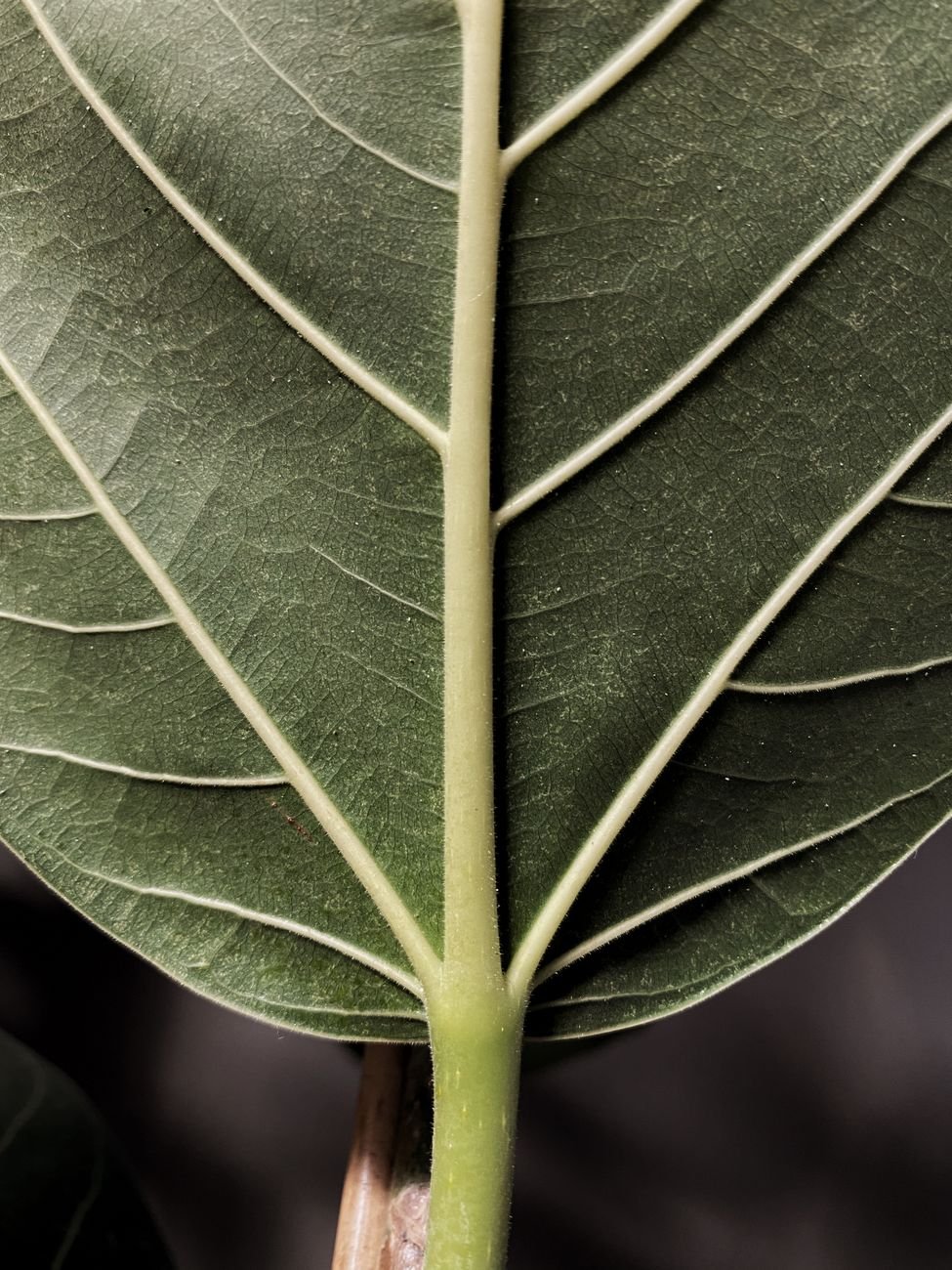
The Ficus Audrey, also known as the Banyan Fig, presents a more graceful and softer aesthetic. Its leaves are oval-shaped, slightly smaller than those of the Fiddle Leaf Fig, and have a velvety texture. The leaves are a rich, matte green with prominent light green veins. As it matures, the Ficus Audrey develops a more branching structure, creating a fuller and more rounded appearance. Indoor Ficus Audreys typically reach 4-8 feet in height. A distinguishing feature of the Ficus Audrey is its smooth, light-colored bark, which adds to its overall elegance.
Care Requirements: A Detailed Comparison
Understanding the care needs of each plant is crucial for their long-term health and happiness. Here’s a breakdown of the key factors:
Light
Both Ficus Audrey and Fiddle Leaf Figs thrive in bright, indirect light. Direct sunlight can scorch their leaves, while insufficient light can lead to leggy growth and leaf drop.
- Fiddle Leaf Fig: Requires very bright, indirect light. A south-facing window with a sheer curtain is ideal. Rotate the plant regularly to ensure even growth.
- Ficus Audrey: Tolerates slightly lower light conditions than the Fiddle Leaf Fig, but still prefers bright, indirect light. An east-facing window or a spot a few feet away from a south-facing window can work well.
If your home lacks sufficient natural light, consider using a grow light for indoor plants to supplement their needs. This is especially helpful during the darker winter months.
Watering
Proper watering is essential to avoid root rot, a common problem with both Ficus varieties.
- Fiddle Leaf Fig: Water thoroughly when the top 1-2 inches of soil are dry. Use a soil moisture meter to check the soil before watering. Ensure the pot has good drainage to prevent waterlogging.
- Ficus Audrey: Water when the top inch of soil is dry. Allow the soil to dry out slightly more between waterings than you would for a Fiddle Leaf Fig.
In both cases, it’s better to underwater slightly than to overwater. Yellowing leaves are often a sign of overwatering.
Humidity
Both plants appreciate higher humidity levels, but the Fiddle Leaf Fig is particularly sensitive to dry air.
- Fiddle Leaf Fig: Requires humidity levels of 50% or higher. Consider using a humidifier, grouping plants together, or placing the pot on a pebble tray filled with water to increase humidity.
- Ficus Audrey: Tolerates average household humidity levels, but will benefit from occasional misting or increased humidity, especially during the winter months when indoor air tends to be drier.
Temperature
Both plants prefer temperatures between 65°F and 75°F (18°C and 24°C). Avoid placing them near drafts or heating vents.
Soil
Well-draining soil is crucial for both Ficus Audrey and Fiddle Leaf Figs to prevent root rot.
- Fiddle Leaf Fig: Use a well-draining potting mix specifically formulated for Fiddle Leaf Figs, or create your own by mixing equal parts potting soil, perlite, and orchid bark.
- Ficus Audrey: A general-purpose potting mix with added perlite for drainage will work well. You can also find specialized ficus soil mix online.
Fertilizing
Both plants benefit from regular fertilization during the growing season (spring and summer).
- Fiddle Leaf Fig: Feed with a balanced liquid fertilizer diluted to half strength every 2-4 weeks.
- Ficus Audrey: Feed with a balanced liquid fertilizer diluted to half strength every 4-6 weeks.
Reduce or stop fertilizing during the fall and winter months when plant growth slows down.
Repotting
Repot both plants every 1-2 years, or when they become root-bound. Choose a plant pot that is only slightly larger than the previous one to avoid overwatering. Use fresh potting mix when repotting.
Common Problems and Solutions
Both Ficus Audrey and Fiddle Leaf Figs can be susceptible to certain problems. Here’s how to troubleshoot them:
- Leaf Drop: This can be caused by a variety of factors, including overwatering, underwatering, low light, drafts, or sudden changes in temperature. Identify the cause and adjust your care accordingly.
- Yellowing Leaves: Often a sign of overwatering. Allow the soil to dry out more between waterings.
- Brown Spots: Can be caused by sunburn (too much direct sunlight) or fungal infections. Move the plant to a location with less direct light and treat any fungal infections with a fungicide.
- Pests: Both plants can be susceptible to pests such as spider mites, mealybugs, and scale. Inspect your plants regularly and treat any infestations with insecticidal soap or neem oil.
Table Comparison: Ficus Audrey vs. Fiddle Leaf Fig
| Feature | Fiddle Leaf Fig (Ficus lyrata) | Ficus Audrey (Ficus benghalensis) |
|---|---|---|
| Leaf Shape | Large, violin-shaped | Oval-shaped |
| Leaf Texture | Leathery | Velvety |
| Light Requirements | Bright, indirect light | Bright, indirect light (more tolerant of slightly lower light) |
| Watering | Water when top 1-2 inches of soil are dry | Water when top inch of soil is dry |
| Humidity | High humidity (50% or higher) | Average household humidity (benefits from increased humidity) |
| Difficulty Level | More challenging | Easier |
| Growth Habit | Upright, sparse branching | More branching, fuller appearance |
| Mature Height (Indoors) | 6-10 feet | 4-8 feet |
Which Ficus is Right for You?
Ultimately, the best choice between Ficus Audrey and Fiddle Leaf Fig depends on your individual preferences and lifestyle.
Choose the Fiddle Leaf Fig if:
- You are an experienced plant parent looking for a challenge.
- You can provide bright, indirect light and high humidity.
- You appreciate its dramatic, statement-making foliage.
Choose the Ficus Audrey if:
- You are a beginner plant parent or prefer a more forgiving plant.
- You have slightly lower light conditions.
- You prefer a softer, more graceful aesthetic.
Step-by-Step Guide to Planting and Caring for Your New Ficus
- Choose the right pot: Select a pot with drainage holes that is slightly larger than the root ball of your plant.
- Prepare the soil: Use a well-draining potting mix appropriate for your chosen Ficus variety.
- Plant your Ficus: Gently remove the plant from its nursery pot and loosen any circling roots. Place the plant in the new pot and fill in around the root ball with potting mix.
- Water thoroughly: Water the plant until water drains out of the drainage holes.
- Place in the right location: Place the plant in a location with bright, indirect light.
- Monitor soil moisture: Check the soil moisture regularly and water when the top inch or two of soil is dry.
- Fertilize regularly: Fertilize during the growing season with a balanced liquid fertilizer diluted to half strength.
- Provide humidity: Increase humidity by misting, using a humidifier, or placing the pot on a pebble tray.
- Repot as needed: Repot every 1-2 years, or when the plant becomes root-bound.
By following these steps and providing the right care, you can ensure your Ficus Audrey or Fiddle Leaf Fig thrives and brings beauty to your home for years to come. Don’t forget to explore our other articles on indoor plant care for more helpful tips and advice. You might find our guide on best indoor plants for beginners particularly useful if you’re new to plant care!
For advanced plant enthusiasts, understanding plant propagation techniques can help you expand your collection from just one healthy specimen.
Frequently Asked Questions (FAQ)
Are Ficus Audrey and Fiddle Leaf Figs toxic to pets?
Yes, both Ficus Audrey and Fiddle Leaf Figs are considered toxic to pets. They contain sap that can cause irritation to the mouth, throat, and stomach if ingested. Keep them out of reach of pets and children.
Why is my Fiddle Leaf Fig dropping leaves?
Leaf drop in Fiddle Leaf Figs can be caused by a variety of factors, including overwatering, underwatering, low light, drafts, or sudden changes in temperature. Try to identify the cause and adjust your care accordingly.
How do I increase the humidity for my Fiddle Leaf Fig?
You can increase humidity by using a humidifier, grouping plants together, or placing the pot on a pebble tray filled with water.
How often should I fertilize my Ficus Audrey?
Fertilize your Ficus Audrey every 4-6 weeks during the growing season (spring and summer) with a balanced liquid fertilizer diluted to half strength. Reduce or stop fertilizing during the fall and winter months.
Can I propagate Ficus Audrey or Fiddle Leaf Fig?
Yes, both Ficus Audrey and Fiddle Leaf Figs can be propagated through stem cuttings. Take a stem cutting with a few leaves and place it in water or moist potting mix until roots develop.