

You tap the side of your Monstera pot, and a cloud of tiny, annoying black flies erupts into the air. Panic sets in. You run to the kitchen, grab a bowl of apple cider vinegar, and set a trap, assuming they are fruit flies. A week later, the trap is empty, and the flies have multiplied. You misidentified the enemy.
The Crucial Difference
Fruit flies and Fungus Gnats are completely different species attracted to entirely different environments. Treating one like the other is a recipe for an uncontrollable infestation.
Identification & Eradication
- Fruit Flies: These are plump, round, and usually have visible red eyes. They hover exclusively around the kitchen, trash cans, and rotting fruit. They do not care about your plants. (Treatment: Apple Cider Vinegar).
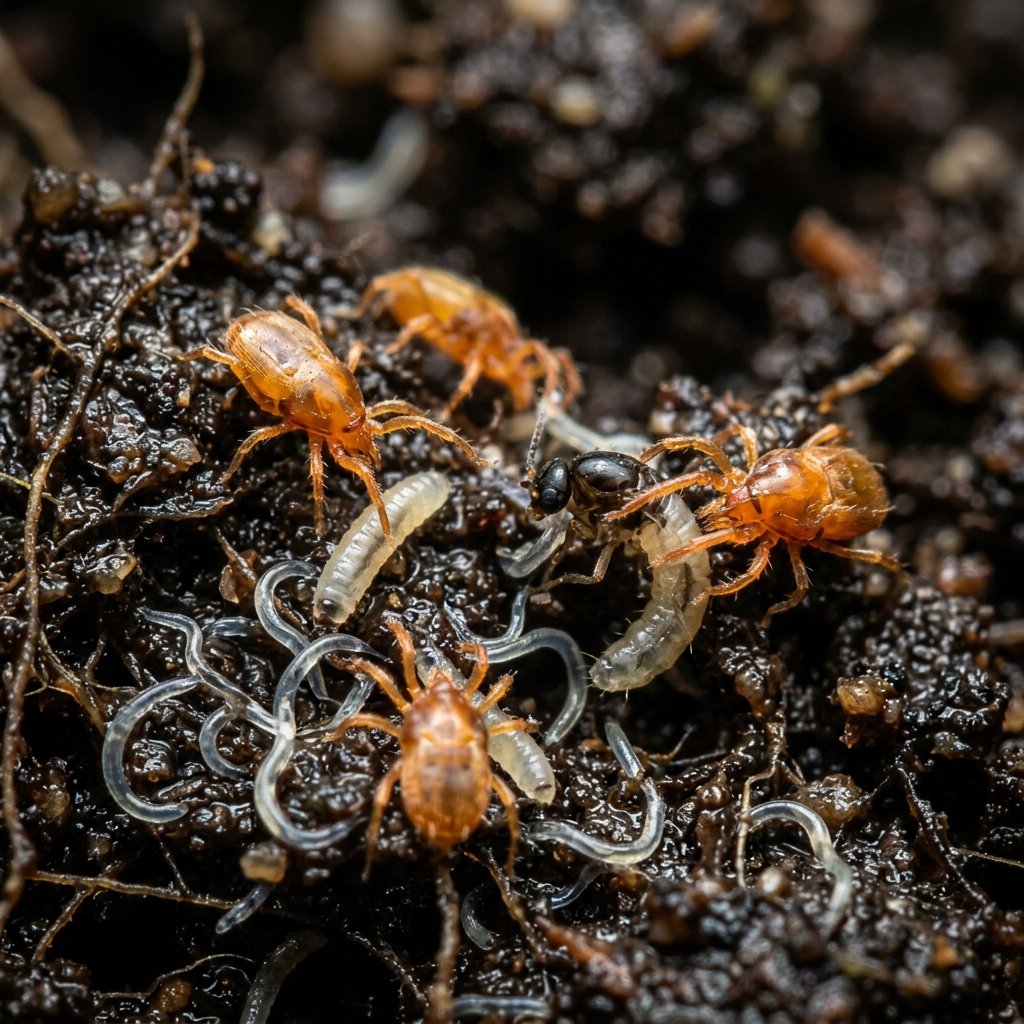
- Fungus Gnats: These look exactly like tiny, skinny mosquitoes with long, dangling legs. They hover exclusively around the soil of your houseplants. They are attracted to the fungus growing in constantly wet soil.
How to Kill Fungus Gnats: Stop watering your plants so often! Let the top two inches of soil dry completely to kill the larvae. For a permanent biological fix, water your plants with BTI (Bacillus thuringiensis israelensis) or Mosquito Bits, a natural bacteria that specifically targets and destroys the larvae without harming the plant. For a rapid diagnosis of any pest symptoms, upload a photo to the AI Disease Finder.
What’s Your Next Step?
You have successfully differentiated between fungus gnats and fruit
Frequently Asked Questions
What are the best conditions for this plant?
Most houseplants thrive in bright, indirect light with temperatures between 65-80F (18-27C). Ensure good drainage and water when the top inch of soil feels dry.
How often should I water?
Watering frequency depends on the plant species, pot size, and environment. A general rule is to check the soil moisture before watering. Overwatering is the most common cause of houseplant death.
What soil mix works best?
A well-draining mix of peat moss, perlite, and orchid bark works well for most tropical houseplants. Succulents prefer a grittier mix with more sand and perlite.
Quick Care Reference
| Factor | Requirement | Notes |
|---|---|---|
| Light | Bright indirect | Avoid direct afternoon sun |
| Water | When top inch dry | Reduce in winter |
| Humidity | 50-70% | Mist or use pebble tray |
| Temperature | 65-80F (18-27C) | Avoid cold drafts |
| Soil | Well-draining mix | Peat, perlite, bark |
| Fertilizer | Monthly (spring-summer) | Half-strength balanced |