
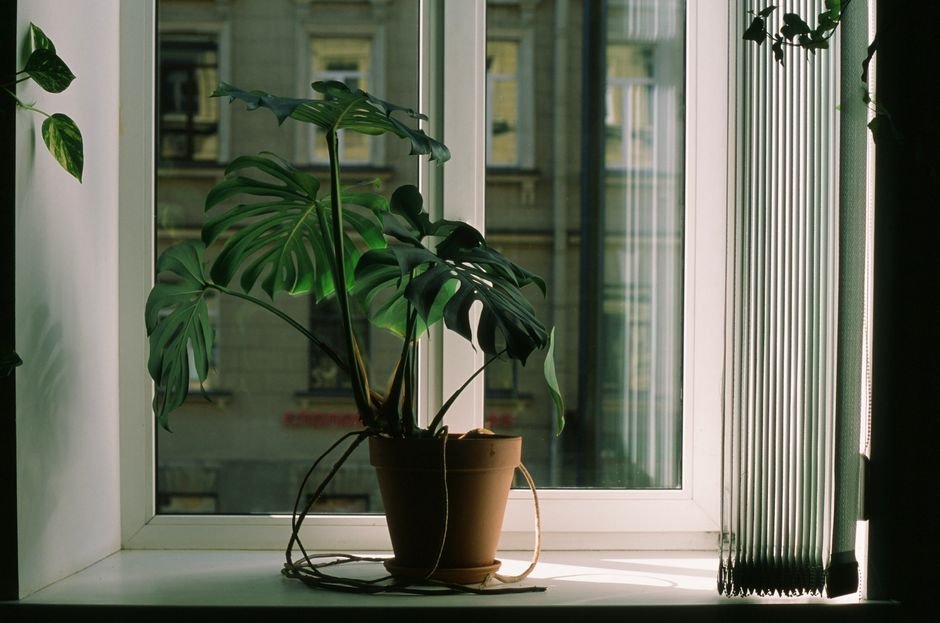

As summer temperatures soar across the US, bringing unprecedented heatwaves to many regions, the plant community is abuzz with a critical question: How to care for houseplants in a heatwave? Just like us, our beloved indoor plants struggle in extreme heat, and neglecting their needs can quickly turn lush foliage into a sad, crispy mess. As your trusted plant expert at PlantsMag.com, I’m here to guide you through these scorching times, ensuring your green companions not only survive but thrive. This isn’t just about making it through the next week; it’s about understanding the long-term resilience of your plants.
The Silent Struggle: Recognizing Heat Stress in Your Houseplants
Before you can protect your plants, you need to recognize the warning signs. Heat stress manifests in several ways, often mimicking underwatering or even disease. Look for wilting leaves that don’t perk up after a good drink, yellowing or browning leaf tips and edges (often appearing scorched), and overall stunted growth. Some plants might even drop leaves prematurely as a survival mechanism. This happens because high temperatures increase transpiration – the process where plants release water vapor through their leaves – faster than their roots can absorb it, leading to dehydration and cellular damage. Understanding these symptoms is the first step in effective houseplant care during a heatwave.
Hydration Hacks: Watering Wisely During a Heatwave
It might seem intuitive to water more during a heatwave, but it’s crucial to water wisely. While increased evaporation means plants dry out faster, overwatering can still lead to root rot. The key is to check the soil moisture more frequently. Stick your finger about two inches into the soil; if it feels dry, it’s time to water. When you do water, do so thoroughly until water drains from the bottom. This encourages deep root growth. Consider using self-watering pots for smaller, thirstier plants, or adding a layer of mulch (like coco coir or decorative pebbles) to the topsoil to slow evaporation. For larger plants, a moisture meter can be a valuable tool, available at retailers like Lowe’s or Home Depot.
The Humidity Hoax: Misting vs. Humidifiers
Many plant enthusiasts resort to misting during dry, hot weather. While a quick mist provides temporary relief and a slight bump in humidity, the effect is fleeting and can sometimes encourage fungal issues if leaves stay wet for too long. A more effective solution for increasing ambient humidity is a room humidifier. Placing a humidifier near your humidity-loving plants (like ferns, calatheas, or orchids) can create a beneficial microclimate, especially if your air conditioning is running, which significantly dries out the air. A pebble tray filled with water beneath your plants (making sure pots aren’t sitting directly in the water) is another simple, effective method.
Location, Location, Location: Strategic Placement for Plant Protection
One of the easiest and most impactful ways to protect your houseplants is to rethink their placement. During a heatwave, direct afternoon sun can be incredibly intense, leading to scorched leaves. Move sun-loving plants a few feet back from south or west-facing windows, or use sheer curtains to diffuse the light. Similarly, avoid placing plants directly in the path of air conditioning vents, as the cold, dry air can shock and dehydrate them. Grouping plants together can also create a mini-ecosystem, slightly raising local humidity as they transpire together. This simple act of strategic relocation is vital for safeguarding your indoor plants.
DIY Shade Solutions
If you can’t move a large plant, or if all your windows are relentlessly sunny, consider DIY shade solutions. A simple sheer curtain, a piece of parchment paper taped to the window, or even a strategically placed taller plant can provide essential relief. For plants on shelves, move them to lower shelves or away from the brightest spots. Even a temporary move to a north-facing room or a shadier corner of your home can make a significant difference during peak heat hours, typically between 1 PM and 5 PM.
Environmental Control: Creating a Microclimate for Your Greens
Beyond watering and placement, actively managing your indoor environment is key. Keep your home as cool as possible. If you have central air, set it to a comfortable but not frigid temperature. If you rely on fans, ensure they circulate air without directly blasting your plants, which can mimic a dehydrating wind. As mentioned, humidifiers are excellent for offsetting dry air. Consider investing in an indoor thermometer/hygrometer (many smart home devices include this functionality) to monitor conditions. Knowing your indoor temperature and humidity levels empowers you to make informed decisions about plant care.
“Think of your houseplants as tiny tropical residents. They appreciate consistent warmth and humidity, but scorching, dry heat is their enemy. A little proactive care goes a long way in preventing irreversible damage.” – Dr. Flora Green, PlantsMag.com Resident Botanist
The “Don’t” List: What to Avoid During Extreme Heat
Just as important as what to do, is what not to do. During a heatwave, your plants are already under immense stress. Avoid these common mistakes:
- Fertilizing: Hold off on feeding. Plants under stress can’t efficiently absorb nutrients, and fertilizer salts can burn already vulnerable roots.
- Repotting: This is a major stressor. Wait until temperatures cool down significantly to repot.
- Heavy Pruning: While some light deadheading is fine, avoid drastic pruning. Leaves provide shade for the plant and are crucial for photosynthesis.
- Ignoring Pests: Stressed plants are more susceptible to pests like spider mites. Increased heat and dryness create ideal conditions for these unwelcome guests. Inspect your plants regularly.
By implementing these strategies, you’re not just reacting to a heatwave; you’re building resilience into your plant care routine. Our plants are tougher than we think, but a little thoughtful intervention can make all the difference in helping them weather the storm of summer’s most extreme temperatures.
Quick Reference: Heat Stress Symptoms & Action Plan
| Symptom | Likely Cause (Heatwave) | Immediate Action |
|---|---|---|
| Wilting/Drooping Leaves | Dehydration, rapid transpiration | Check soil moisture; water thoroughly if dry. Move out of direct sun. |
| Yellowing/Browning Leaf Edges | Scorching, cellular damage from heat/dryness | Move away from direct sun. Increase humidity. |
| Crispy/Dry Patches on Leaves | Sunburn, extreme heat exposure | Provide immediate shade. Trim damaged leaves if severe. |
| Stunted Growth/Leaf Drop | Chronic stress, resource conservation | Review all environmental factors: light, water, humidity. Avoid fertilizer. |
Frequently Asked Questions About Heatwave Houseplant Care
Can I put my houseplants outside during a heatwave?
Generally, no. While some houseplants enjoy a summer vacation outdoors, a heatwave is not the time. The sudden change in temperature, humidity, and light intensity (even in shade) can shock your plant, leading to more stress than relief. Keep them indoors where you can better control their environment.
Should I fertilize my plants during extreme heat?
Absolutely not. Plants under heat stress are not actively growing and cannot efficiently utilize nutrients. Fertilizing during this time can lead to root burn, further damaging your already vulnerable plant. Pause all fertilization until cooler, more stable temperatures return.
What about self-watering pots in a heatwave?
Self-watering pots can be beneficial during a heatwave as they provide a consistent water supply. However, still monitor the reservoir. High temperatures increase evaporation from the reservoir and the plant’s transpiration, meaning you might need to refill them more frequently than usual. Ensure the plant isn’t sitting in stagnant water for too long if the soil isn’t drying out at all.
My plant looks dead from heat. Can I save it?
Don’t give up immediately! If the plant is severely wilted or crispy, first move it to a cooler, shadier spot and water it thoroughly if the soil is dry. Trim off any completely dead or crispy leaves, but leave anything with a hint of green. If the stems still have some flexibility and aren’t completely brittle, there’s a chance it can recover. Give it time and consistent, gentle care. Avoid further stressors like repotting or fertilizing.