
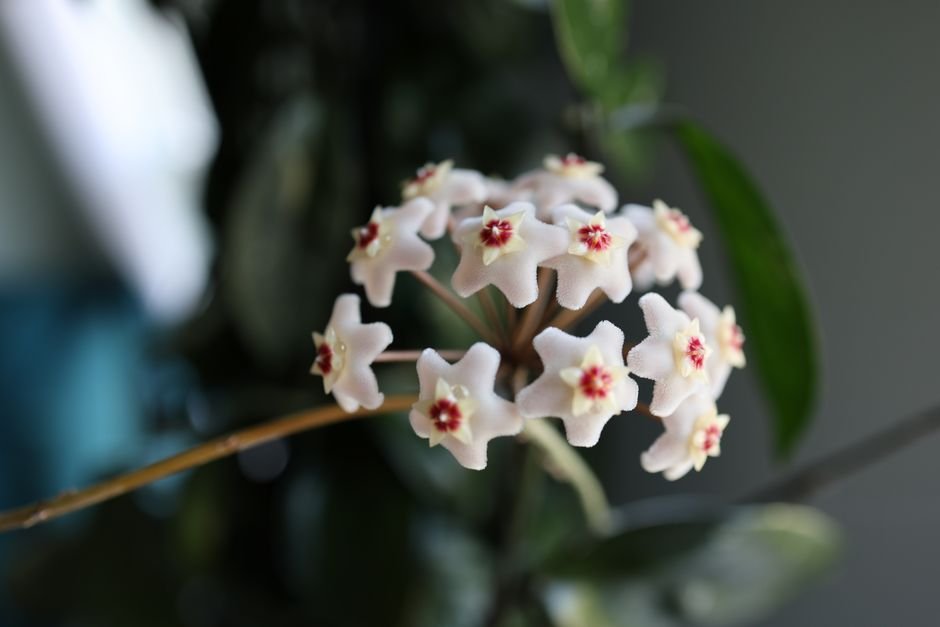

Welcome, fellow plant enthusiasts! As a senior horticulturist at PlantsMag.com, I’m thrilled to dive into the captivating world of Hoyas, often affectionately known as wax plants. These remarkable tropical beauties are celebrated for their thick, succulent-like foliage and clusters of star-shaped, often fragrant flowers. With an astonishing array of Hoya varieties available, it’s no wonder they’ve become a staple for indoor gardeners across the US. From classic favorites to rare collector’s gems, there’s a Hoya for every taste and space, promising to add a touch of unique elegance to your home.
Understanding Hoya Care Fundamentals
Before exploring specific Hoya varieties, let’s establish a solid foundation for their general care. While individual needs can vary slightly, most Hoyas thrive under similar conditions, making them relatively forgiving houseplants once you understand their preferences. The key is to mimic their native tropical environments indoors.
- Light: Hoyas crave bright, indirect light. An east-facing window is ideal, or a few feet back from a south or west-facing window. Too little light will result in leggy growth and no blooms, while harsh direct sun can scorch their leaves. If natural light is insufficient, consider supplementing with a full-spectrum LED grow light, such as a Barrina T5 or a Sansi grow bulb, especially during shorter US winter days.
- Water: The biggest mistake new Hoya owners make is overwatering. These wax plants prefer their soil to dry out almost completely between waterings. Use a reliable moisture meter, like the XLUX T10 or Sustee Aquameter, to check the soil moisture deeply before watering. When it’s time to water, do so thoroughly until water drains from the bottom.
- Humidity: As tropical plants, Hoyas appreciate moderate to high humidity (50-70%). Average household humidity might be acceptable, but they’ll truly flourish with a humidifier nearby or by being grouped with other plants.
- Temperature: Maintain consistent indoor temperatures between 65-80°F (18-27°C). Avoid sudden drops or drafts, particularly during colder months in US climate zones.
- Soil: A well-draining, airy potting mix is crucial. I recommend a blend of good quality potting soil (like Espoma Organic Potting Mix) mixed with perlite, orchid bark, and a bit of coco coir to ensure excellent drainage and aeration.
- Fertilization: Feed your Hoya during its active growing season (spring and summer) with a balanced liquid fertilizer, diluted to half strength, every 2-4 weeks. Products like Dyna-Gro or Liqui-Dirt are popular choices among US growers. Reduce or cease fertilization in fall and winter.
Top Hoya Varieties for US Indoor Growers
With hundreds of Hoya species and cultivars, choosing can be overwhelming! Here are some of the best and most accessible Hoya varieties that thrive indoors across the US, perfect for both beginners and seasoned collectors.
Hoya carnosa ‘Krimson Queen’ and ‘Krimson Princess’
These two variegated forms of the classic Hoya carnosa are perhaps the most popular and easiest to find. ‘Krimson Queen’ boasts stunning creamy white or pink variegation along the leaf edges, while ‘Krimson Princess’ (also known as ‘Ruby Splash’) features variegation in the center of the leaf, often with vibrant pink new growth. Both offer beautiful visual interest even without flowers and are relatively tolerant of varying indoor conditions, making them excellent starter Hoyas.
Hoya obovata
Known for its thick, round, dark green leaves often speckled with silver ‘splash’ markings, Hoya obovata is a robust and rewarding variety. Its foliage alone is captivating, but when it blooms, it produces clusters of fuzzy, pale pink flowers with a delightful fragrance. This Hoya appreciates slightly higher humidity but is generally undemanding, making it a fantastic addition for those seeking unique leaf textures.
Hoya kerrii (Sweetheart Hoya)
Instantly recognizable by its heart-shaped leaves, Hoya kerrii is a symbol of love and a popular gift plant, especially around Valentine’s Day. While often sold as single, unrooted leaves, for a thriving plant, seek out a rooted stem cutting that will eventually vine and bloom. Its thick, succulent leaves mean it’s quite drought-tolerant, making it forgiving for those who might forget a watering now and then.
Hoya pubicalyx ‘Splash’ or ‘Pink Silver’
Hoya pubicalyx is a vigorous grower known for its long, trailing vines and relatively frequent blooms. Varieties like ‘Splash’ or ‘Pink Silver’ feature dark green leaves heavily speckled with silver or pinkish-silver markings. The flowers are typically dark pink to maroon, often with a subtle, sweet scent. This Hoya is very adaptable and one of the most reliable bloomers among the commonly available varieties.
Hoya lacunosa ‘Snow Caps’
For those with limited space or a preference for smaller foliage, Hoya lacunosa ‘Snow Caps’ is an excellent choice. Its small, diamond-shaped leaves have prominent veining and often a silvery splash, giving them a frosted appearance. It’s a compact grower and produces delicate, fuzzy white flowers with a spicy fragrance. This variety appreciates consistent warmth and slightly higher humidity to truly flourish.
Propagating Your Hoya Collection
One of the joys of growing Hoyas is their ease of propagation, allowing you to expand your collection or share with friends. Stem cuttings are the most common and successful method. Here’s a simple step-by-step guide:
- Select a Healthy Stem: Choose a non-flowering stem with at least 2-3 nodes (the bumps where leaves and roots emerge) and a few healthy leaves.
- Make the Cut: Using clean, sharp shears or scissors, cut the stem just below a node. Aim for a cutting that is 4-6 inches long. Remove any leaves from the bottom node(s).
- Optional: Rooting Hormone: Dip the cut end into a rooting hormone powder or gel (e.g., Clonex or Garden Safe TakeRoot) to encourage faster root development.
- Choose Your Medium: Hoyas can be rooted in several ways:
- Water: Place the cutting in a jar of clean water, ensuring at least one node is submerged. Change the water every few days.
- Sphagnum Moss: Wrap the bottom node(s) in moist sphagnum moss and place it in a clear container or bag to maintain humidity.
- Perlite or Leca: Root in moist perlite or Leca (lightweight expanded clay aggregate) for excellent aeration.
- Soil: Plant directly into a small pot with a well-draining Hoya soil mix.
- Provide Warmth & Humidity: Regardless of the medium, place your cutting in a warm spot with bright, indirect light. Creating a mini-greenhouse effect with a clear plastic bag can significantly boost success rates, especially for water or moss propagation.
- Be Patient: Rooting can take anywhere from a few weeks to a couple of months. Once a good root system has developed (about 1-2 inches long), you can pot up water-rooted cuttings into soil.
Troubleshooting Common Hoya Issues
Even the most experienced plant parents encounter issues. Here’s how to diagnose and address common Hoya problems:
- Yellowing Leaves: Often a sign of overwatering. Ensure your soil dries out between waterings and your pot has adequate drainage. It can also indicate nutrient deficiency, so check your fertilization schedule.
- Wrinkled or Limp Leaves: Usually points to underwatering. Give your Hoya a good soak. If the soil is moist but leaves are still limp, check for root rot or pest issues affecting nutrient uptake. Low humidity can also contribute.
- No Blooms: The most common complaint! Lack of sufficient bright, indirect light is the primary culprit. Hoyas also need to be mature enough to bloom and appreciate being slightly root-bound. Ensure consistent fertilization during the growing season.
- Pests: Hoyas are generally pest-resistant, but mealybugs and spider mites can sometimes appear. Inspect your plants regularly. Treat infestations with a horticultural oil or insecticidal soap, following product instructions carefully.
- Leggy Growth: Insufficient light causes stems to stretch, seeking light. Move your Hoya to a brighter location.
Elevating Your Hoya Display and Environment
Beyond basic care, how you display your Hoya varieties can significantly impact their health and aesthetic appeal. Consider these tips for a thriving indoor Hoya collection:
- Potting Choices: While plastic pots retain moisture longer, terracotta pots can be excellent for Hoyas, as they wick away excess moisture, reducing the risk of overwatering. Always ensure any pot has drainage holes.
- Support Systems: Many Hoyas are vining or trailing plants. Provide a small trellis, a coir pole, or a decorative hoop for them to climb, or let them gracefully cascade from a hanging basket. This encourages more compact growth and can stimulate blooming.
- Grouping Plants: Grouping several Hoyas or other houseplants together can naturally elevate the ambient humidity around them, creating a microclimate that benefits all.
- Seasonal Adjustments: In the US, our seasons bring varying light levels and temperatures. Adjust your watering frequency and light exposure accordingly. Less water and no fertilizer are generally needed in fall and winter.
Hoya Care Quick Reference
Here’s a concise table summarizing the general care requirements for most Hoya varieties:
| Care Factor | Recommendation |
|---|---|
| Light | Bright, indirect light (east-facing window or filtered south/west) |
| Water | Allow soil to dry almost completely between waterings |
| Humidity | Moderate to High (50-70% preferred) |
| Soil | Well-draining, airy mix (potting soil + perlite/orchid bark) |
| Temperature | 65-80°F (18-27°C) |
Frequently Asked Questions About Hoya Varieties
How often should I water my Hoya?
The frequency depends on your environment, but generally, water when the top 2-3 inches of soil are dry. For many Hoyas, this means every 1-3 weeks. Always check the soil moisture with your finger or a moisture meter before watering to prevent overwatering.
Why isn’t my Hoya blooming?
Lack of blooms is usually due to insufficient light. Ensure your Hoya receives bright, indirect light for several hours a day. Other factors include immaturity, inconsistent watering, lack of proper fertilization during the growing season, or the plant not being slightly root-bound.
Do Hoyas need direct sunlight?
Most Hoya varieties prefer bright, indirect light. A little morning direct sun can be beneficial, but harsh afternoon sun can scorch their leaves. Filtered light is always safer than direct, intense sun.
What kind of soil is best for Hoyas?
A well-draining, airy mix is crucial. A good recipe is equal parts high-quality potting mix, perlite, and orchid bark. This ensures aeration and prevents waterlogging, which can lead to root rot.
Are Hoyas toxic to pets?
According to the ASPCA, Hoyas are generally considered non-toxic to cats and dogs. However, it’s always best to discourage pets from munching on any houseplants to avoid potential stomach upset.
How long do Hoyas take to grow?
Growth rates vary by variety and growing conditions. Some Hoyas are relatively fast growers, putting out several inches of new vine per month, especially in optimal light and humidity. Others, particularly some of the thicker-leaved varieties, can be slower. Patience is key!
Conclusion
Embracing the world of Hoya varieties is a rewarding journey for any US plant enthusiast. These beautiful wax plants offer a diverse range of foliage and stunning, fragrant blooms, making them perfect additions to any indoor garden. By understanding their fundamental care needs – particularly light, water, and well-draining soil – and selecting the right varieties for your space, you’ll be well on your way to cultivating a thriving Hoya collection. Happy growing!