

As a leading horticulturist for PlantsMag.com, I’ve seen countless plant enthusiasts fall in love with the captivating genus Monstera. Two species, in particular, often spark a delightful dilemma: the charming Monstera adansonii and the majestic Monstera deliciosa. Both are celebrated for their iconic fenestrations—the natural holes and splits in their leaves—but they offer distinct aesthetics and care experiences. If you’re weighing Monstera adansonii vs. Monstera deliciosa for your indoor jungle, you’ve come to the right place. This comprehensive guide will illuminate their unique characteristics, care requirements, and growth habits, helping you confidently select the perfect aroid to thrive in your home.
Distinguishing Features: Fenestrations, Leaf Shape, and Growth Habit
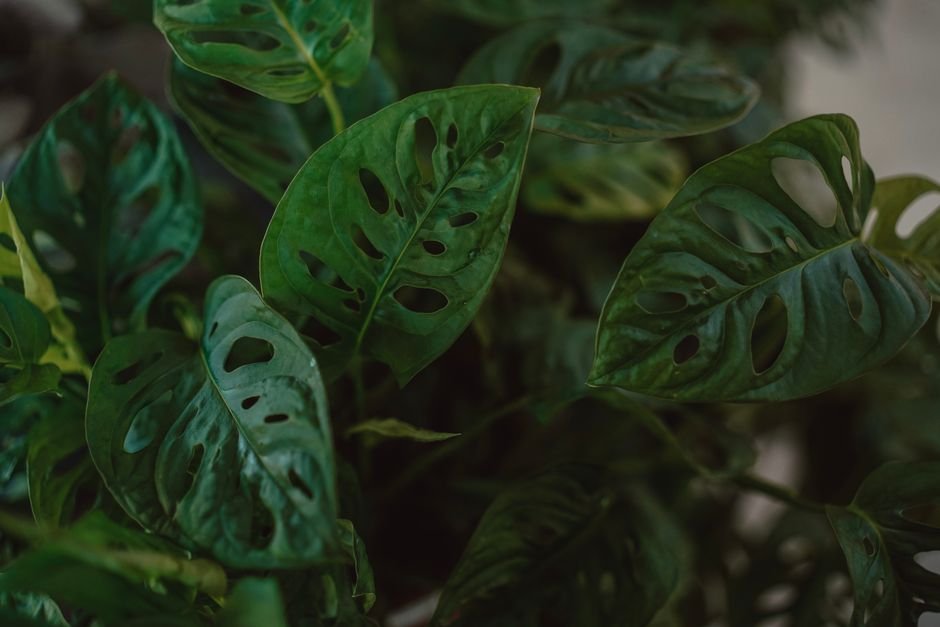
While both Monsteras are renowned for their unique leaf patterns, their fenestrations and overall appearance differ significantly. Monstera adansonii, often called the “Swiss Cheese Plant,” typically develops oval to heart-shaped leaves adorned with distinct, irregular holes that don’t usually reach the leaf edges. These holes are present even in younger leaves. In contrast, Monstera deliciosa, the classic “Split-Leaf Philodendron” (though not a true Philodendron), showcases much larger, deeply lobed leaves that mature to develop dramatic splits (fenestrations) from the leaf edge towards the midrib, rather than just holes. These splits are a hallmark of mature M. deliciosa leaves, often not appearing until the plant is well-established.
Leaf Morphology & Fenestration Development
The leaf structure of M. adansonii is generally thinner and more delicate, with its characteristic holes appearing relatively early in the leaf’s development. These fenestrations contribute to its airy, almost lace-like appearance. M. deliciosa, however, boasts thicker, more leathery leaves. Its iconic splits are a sign of maturity and optimal growing conditions, often developing progressively as the plant ages, with younger leaves starting out solid and heart-shaped. Understanding this developmental difference helps appreciate their unique aesthetic journeys.
Mature Size and Growth Pattern
Monstera adansonii exhibits a vining, somewhat trailing growth habit, making it an excellent choice for hanging baskets or climbing up a moss pole, reaching lengths of 5-10 feet indoors. Its relatively compact size makes it suitable for smaller spaces and shelves. Monstera deliciosa, on the other hand, is a much larger plant. It grows as a bushy, upright climber, eventually developing a thick stem and massive leaves that can span 2-3 feet wide individually. Indoors, M. deliciosa can easily grow 6-10 feet tall and wide, requiring significant space and robust support for its impressive stature.
Light Requirements: Finding the Sweet Spot
Both Monsteras thrive in bright, indirect light, mimicking their native tropical understory environments. Direct, harsh sunlight can scorch their leaves, leading to yellowing or brown patches. For Monstera adansonii, consistent bright indirect light is key to developing its iconic fenestrations without stretching. Monstera deliciosa can tolerate slightly lower light conditions but will produce smaller leaves with fewer splits. If your home lacks sufficient natural light, a supplemental grow light, such as a full-spectrum LED like the GE BR30 LED Grow Light or SANSI LED Grow Light, can provide the necessary intensity for robust growth and fenestration development.
Watering & Humidity: Mimicking Their Tropical Homes
Proper watering is crucial for both species. Allow the top 2-3 inches of soil to dry out before watering thoroughly. Overwatering is a common killer, leading to root rot. A moisture meter, like the XLUX T10 Soil Moisture Meter, can be invaluable for accurately gauging soil dampness. While both appreciate high humidity (60-80% is ideal), Monstera deliciosa is somewhat more forgiving of average household humidity (around 40-50%). Monstera adansonii, with its thinner leaves, tends to suffer more in dry air, showing crispy leaf edges. To boost humidity, consider a humidifier, pebble trays, or grouping plants together. In most US homes, especially during winter, supplemental humidity is beneficial.
Soil & Fertilization: Nourishing Your Aroids
Both Monsteras require a well-draining, airy soil mix that retains some moisture but prevents waterlogging. A good aroid mix typically includes a blend of potting soil, perlite, orchid bark, and coco coir. You can create your own or use a reputable brand like Foxfarm Ocean Forest Potting Soil amended with extra perlite and bark. During the active growing season (spring and summer), fertilize every 2-4 weeks with a balanced liquid fertilizer diluted to half strength. Products like Dyna-Gro Grow 7-9-5 or Liqui-Dirt Nano Powder are excellent choices, providing essential nutrients for lush foliage. Reduce or cease fertilization during fall and winter when growth naturally slows.
Potting & Support: Enabling Healthy Growth
When potting, ensure your chosen container has drainage holes to prevent water accumulation. For Monstera adansonii, a smaller pot is often suitable given its vining nature; it can be repotted annually. For Monstera deliciosa, choose a pot that allows for its substantial root system and future growth, often requiring repotting every 1-2 years. Both species benefit greatly from support structures as they mature. A moss pole (like a Coir Totem Pole) or a sturdy trellis encourages aerial roots to attach, promoting larger leaves and more vigorous growth, especially for M. deliciosa to achieve its full, iconic split-leaf potential.
Pest & Disease Management: Keeping Your Monsteras Healthy
While generally robust, both Monsteras can occasionally fall victim to common houseplant pests like spider mites, mealybugs, and thrips. Regularly inspecting your plants, especially the undersides of leaves, is key to early detection. If pests are found, treat promptly with insecticidal soap or neem oil. Good airflow and appropriate watering practices help prevent fungal issues. Yellowing leaves can indicate overwatering or nutrient deficiencies, while browning tips often point to low humidity or inconsistent watering.
Monstera Care Comparison Table
| Feature | Monstera Adansonii | Monstera Deliciosa |
|---|---|---|
| Light | Bright, indirect; tolerates slightly less | Bright, indirect; prefers consistent light for fenestrations |
| Water | Allow top 1-2 inches to dry; moderately moist | Allow top 2-3 inches to dry; slightly more tolerant of drying out |
| Humidity | High (60-80%) preferred; prone to crispy edges in low humidity | Moderate to High (50-70%); more adaptable to average home humidity |
| Soil | Well-draining, airy aroid mix (perlite, orchid bark) | Well-draining, airy aroid mix (perlite, orchid bark) |
| Temperature | 65-80°F (18-27°C) | 65-80°F (18-27°C) |
| Mature Size (Indoor) | 5-10 ft vining/trailing; smaller leaves | 6-10 ft tall & wide; large, statement leaves |
| Unique Feature | Distinct holes (fenestrations) even on young leaves | Large, deeply split (fenestrated) leaves on mature plants |
5 Steps to Thriving Monstera Care
Whether you choose an Adansonii or a Deliciosa, these steps will help ensure your Monstera flourishes:
- Assess Light Conditions: Place your Monstera where it receives bright, indirect light. Rotate it periodically for even growth. If light is insufficient, consider a grow light.
- Monitor Soil Moisture: Use your finger or a moisture meter to check the soil. Water thoroughly when the top few inches are dry, allowing excess water to drain completely.
- Provide Adequate Humidity: Especially for M. adansonii, aim for higher humidity. A small room humidifier or regular misting (though less effective than a humidifier) can help.
- Fertilize During Growth: Feed your plant with a diluted liquid fertilizer every 2-4 weeks during spring and summer to support vigorous growth.
- Offer Support: As your Monstera grows, provide a moss pole or trellis for its aerial roots to anchor onto. This encourages larger, more mature leaves and a natural climbing habit.
Frequently Asked Questions About Monstera Care
Are Monsteras toxic to pets?
Yes, all parts of Monstera plants are toxic to pets (and humans) if ingested, due to calcium oxalate crystals. Keep them out of reach of curious pets and children. Symptoms in pets can include oral irritation, pain and swelling of mouth, tongue, and lips, excessive drooling, vomiting, and difficulty swallowing.
How fast do Monsteras grow?
Both species are relatively fast growers under optimal conditions. Monstera adansonii can put out new leaves weekly during peak growing season, while Monstera deliciosa also grows quickly, especially once established, adding several large leaves each year. Growth slows significantly in winter.
Why aren’t my Monstera deliciosa leaves splitting?
Lack of fenestrations on M. deliciosa often indicates insufficient light, inadequate humidity, or the plant is simply too young. Ensure it receives bright, indirect light and consider boosting humidity. Mature plants (usually 2-3+ years old) with good care are more likely to develop splits.
Can I propagate my Monstera?
Yes, both M. adansonii and M. deliciosa are easy to propagate from stem cuttings. Look for a stem section with at least one node (where a leaf or aerial root emerges) and a leaf. Place the cutting in water or moist sphagnum moss until roots develop, then transfer to soil.
What’s a good price for a Monstera?
Prices vary by size and rarity. A small, rooted 4-inch pot of Monstera adansonii might cost $20-40, while a larger 6-inch pot could be $30-60. Monstera deliciosa typically starts around $25-50 for a young plant in a 6-inch pot, increasing significantly for mature, larger specimens that can reach $100+.
Which Monstera Is Right for You?
Ultimately, the choice between Monstera adansonii and Monstera deliciosa depends on your personal preferences and living situation. If you appreciate a charming, vining plant with delicate, holey leaves that’s perfect for hanging baskets or smaller spaces, the Monstera adansonii is an excellent choice, often available for around $20-40 for a starter plant. If you dream of a majestic, statement plant with massive, deeply split leaves that commands attention and have ample space to accommodate its growth, the Monstera deliciosa, typically starting at $25-50, will be your ideal companion. Both offer the joy of growing a unique tropical aroid, enriching your home with their distinctive beauty. Whichever you choose, providing consistent care and attention will ensure your Monstera thrives for years to come.