
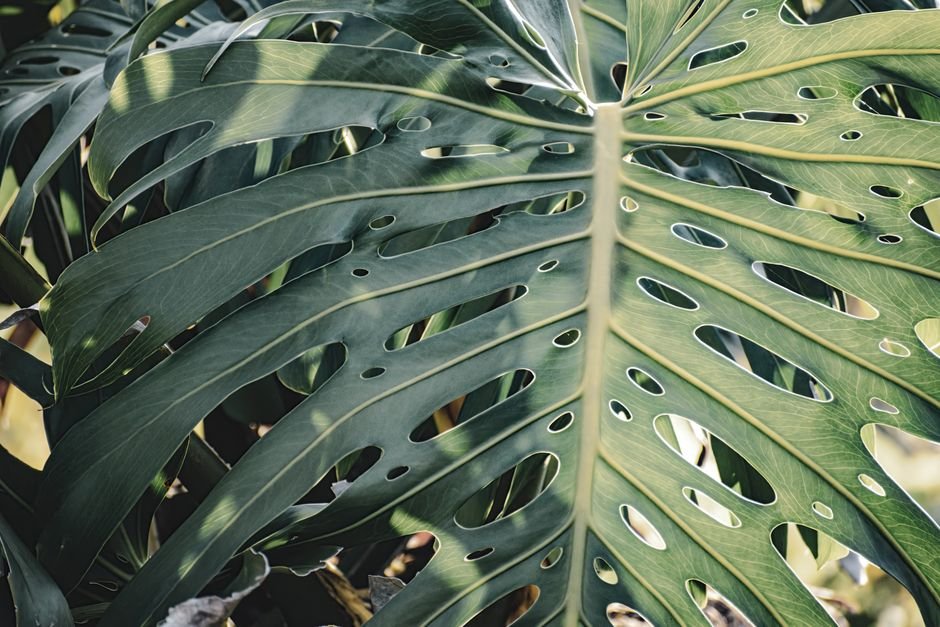

Welcome, fellow plant enthusiasts! As a senior horticulturist at PlantsMag.com, I’m thrilled to share my insights on cultivating one of the most iconic and beloved houseplants in US homes: the Monstera Deliciosa. Known for its dramatic, fenestrated leaves and impressive size, the Swiss Cheese Plant can transform any indoor space into a tropical oasis. This comprehensive guide will equip you with the expert knowledge needed to ensure your Monstera Deliciosa not only survives but truly thrives, developing those coveted splits and reaching its full majestic potential.
Understanding Monstera Deliciosa’s Native Habitat & Growth Habits
To truly master Monstera Deliciosa care, it’s crucial to understand its origins. Hailing from the humid, tropical rainforests of Southern Mexico and Panama, this plant is a hemiepiphyte, meaning it starts life rooted in the ground before climbing trees to reach brighter light, eventually losing its ground connection. Its aerial roots are not just for stability; they also absorb moisture and nutrients from the air. This natural climbing habit informs its need for support and consistent humidity indoors. Appreciating its jungle roots helps us replicate optimal conditions for lush, healthy growth in our US homes.
Essential Light Requirements for Lush Growth
For your Monstera Deliciosa to truly flourish, understanding its light needs is paramount. Originating from the dappled understory of tropical rainforests, these plants thrive on bright, indirect light. Direct, harsh sunlight, especially through a window, can scorch their delicate leaves, leading to yellowing or brown patches. Conversely, insufficient light will result in leggy growth, smaller leaves, and a noticeable lack of fenestrations (the iconic splits). Aim for a spot near an east or north-facing window, or a few feet back from a south or west-facing window where light is filtered by sheer curtains. If natural light is scarce, particularly during darker winter months, consider supplementing with a full-spectrum LED grow light, readily available for around $30-$50, to ensure consistent, adequate illumination.
Watering and Humidity: Balancing Moisture for Health
Proper watering is critical to prevent common Monstera issues. The key is to allow the top 2-3 inches of soil to dry out completely between waterings. Overwatering is a frequent culprit for root rot, while underwatering can lead to droopy, crispy leaves. Always check soil moisture with your finger or a reliable moisture meter (a basic one costs $10-$15) before watering. When you do water, do so thoroughly until water drains from the bottom of the pot. Discard any excess water. Given its tropical origins, Monstera Deliciosa appreciates high humidity, ideally between 60-80%. While average home humidity is often lower, you can boost it by placing your plant near a humidifier (small room models are $40-$60), grouping it with other plants, or using a pebble tray filled with water beneath the pot (ensuring the pot isn’t sitting in the water).
Understanding Root Rot Prevention
Root rot is a silent killer for many houseplants, including Monstera. It occurs when roots are deprived of oxygen due to persistently waterlogged soil, leading to fungal growth. The best prevention is a well-draining potting mix and vigilant watering practices. Always use pots with drainage holes. If you suspect root rot (mushy stems, foul smell from soil, yellowing leaves), carefully remove the plant, trim away any brown, mushy roots, and repot into fresh, dry soil.
Soil, Potting, and Fertilization Strategies
The right foundation is everything for a robust Monstera. A chunky, well-draining soil mix that mimics its natural environment is essential. This allows for proper aeration and prevents waterlogging. Your Monstera will typically need repotting every 1-2 years, or when it becomes root-bound, usually in spring or early summer.
The Perfect Potting Mix
A high-quality aroid mix is ideal for Monstera Deliciosa. You can purchase specialized mixes or create your own by combining equal parts of a good quality indoor potting mix (like Espoma Organic Potting Mix, $10-$15 for a large bag), orchid bark, perlite or pumice, and coco coir or peat moss. This blend ensures excellent drainage and aeration while retaining enough moisture. When repotting, choose a pot only 1-2 inches larger in diameter than the current one to avoid overwatering issues.
During the active growing season (spring and summer), feed your Monstera monthly with a balanced liquid houseplant fertilizer, diluted to half strength. Many popular options like Miracle-Gro Indoor Plant Food or Dynagro Foliage-Pro are available for $10-$20. Reduce fertilization in fall and winter when growth naturally slows. Always water your plant before fertilizing to prevent root burn.
Support, Pruning, and Pest Management
As a climbing plant, Monstera Deliciosa benefits immensely from structural support. Providing a moss pole or coir pole (a 2-foot pole costs $15-$25) encourages larger leaves and more prominent fenestrations as the plant matures and its aerial roots cling to the support. Gently tie new growth to the pole as it emerges.
Pruning is essential for maintaining shape, size, and encouraging bushier growth. Use clean, sharp shears to remove any yellowing, damaged, or leggy stems. You can also prune to propagate new plants! For pest management, regularly inspect your Monstera’s leaves (top and bottom) for common culprits like spider mites, mealybugs, and thrips. Early detection is key. Treat minor infestations with a gentle spray of insecticidal soap or neem oil solution. For persistent issues, consult your local garden center for targeted, safe solutions.
Monstera Deliciosa Care Requirements Overview
| Requirement | Detail |
|---|---|
| Light | Bright, indirect light (east/north window or filtered south/west) |
| Water | Allow top 2-3 inches of soil to dry between waterings |
| Humidity | 60-80% preferred; supplement with humidifier or pebble tray |
| Soil | Chunky, well-draining aroid mix (e.g., potting mix, orchid bark, perlite) |
| Temperature | Ideal 65-80°F (18-27°C); avoid sudden drops below 60°F |
Step-by-Step Repotting Your Monstera Deliciosa
Repotting your Monstera is a crucial step for its continued growth and health. Here’s how to do it effectively:
- Choose the Right Pot: Select a new pot that is only 1-2 inches larger in diameter than the current one. Ensure it has ample drainage holes.
- Prepare the Soil: Mix your fresh, well-draining aroid mix. Have enough on hand to fill the new pot.
- Gentle Removal: Carefully tip your Monstera on its side and gently slide it out of its current pot. If it’s stuck, you might need to gently squeeze the pot or use a trowel around the edges.
- Inspect Roots: Gently loosen any circling roots. Trim away any brown, mushy, or unhealthy roots with clean, sharp shears. Healthy roots are typically firm and white or tan.
- Position in New Pot: Place a layer of new soil at the bottom of the new pot. Center your Monstera, ensuring the base of the plant is at the same level as it was in the old pot.
- Fill with Soil: Backfill around the root ball with your fresh potting mix, gently tamping it down to remove large air pockets. Leave about an inch of space from the rim of the pot for watering.
- Water Thoroughly: Water your newly repotted Monstera thoroughly until water drains from the bottom. This helps settle the soil and rehydrate the plant.
- Return to Spot: Place your Monstera back in its usual spot, ideally allowing it a week or two to recover before fertilizing.
Frequently Asked Questions About Monstera Deliciosa Care
Why are my Monstera leaves not splitting (fenestrating)?
Lack of fenestrations is usually a sign that your Monstera isn’t receiving enough bright, indirect light or is still too young. Ensure it’s in a well-lit spot, consider a grow light, and provide a moss pole for climbing. Mature leaves develop splits over time.
What are the brown spots on my Monstera leaves?
Brown spots can indicate several issues: crispy brown edges often point to low humidity or underwatering, while soft, dark brown spots can signal overwatering or root rot. Brown tips might be due to mineral buildup from tap water. Assess your watering routine and humidity levels.
Is Monstera Deliciosa toxic to pets?
Yes, Monstera Deliciosa contains calcium oxalate crystals, which can be irritating if ingested. It’s considered toxic to cats, dogs, and humans, causing oral irritation, pain, and swelling. Keep your Monstera out of reach of curious pets and children.
How do I propagate my Monstera Deliciosa?
Monstera Deliciosa is easily propagated from stem cuttings. Choose a healthy stem with at least one node (where a leaf or aerial root emerges) and a leaf. Cut just below the node, and place the cutting in water or moist sphagnum moss. Roots typically form within a few weeks, after which you can plant it in soil.
How often should I clean my Monstera’s leaves?
Regularly cleaning your Monstera’s leaves, ideally every 1-2 weeks, is beneficial. Dust can block pores and hinder photosynthesis. Gently wipe down both sides of the leaves with a soft, damp cloth. This also provides an opportunity to inspect for pests.
Caring for a Monstera Deliciosa is a rewarding experience that brings a touch of the tropics indoors. By understanding its fundamental needs for light, water, humidity, and proper support, you can cultivate a truly magnificent specimen. Remember, consistency and observation are your best tools. Happy growing!