
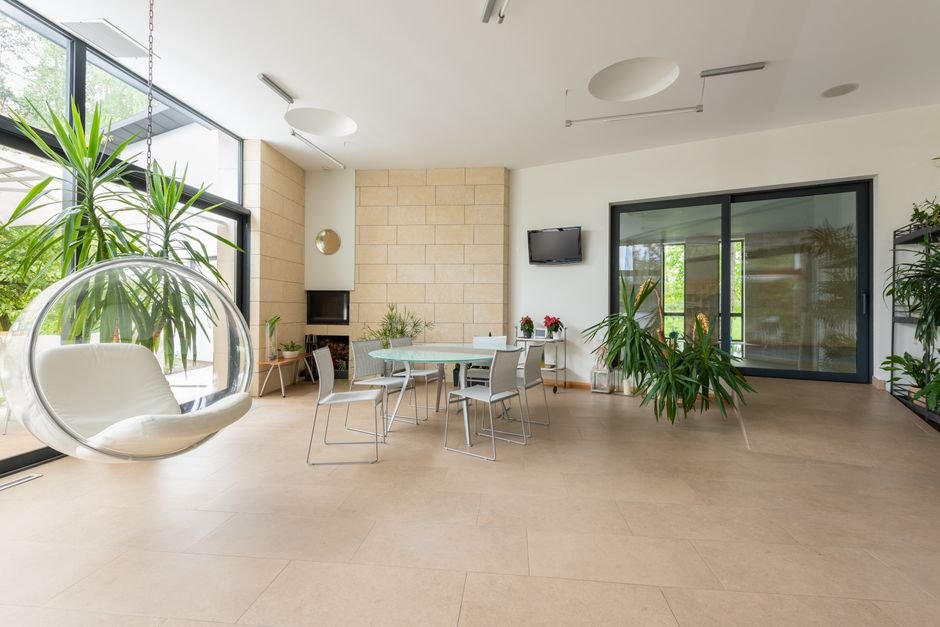

As a senior horticulturist at PlantsMag.com, I’m often asked about the best ways to improve indoor environments. For US homeowners, the answer often lies in bringing nature indoors. The quest for cleaner air isn’t new, but it gained significant scientific backing from NASA’s groundbreaking Clean Air Study. This research identified specific houseplants that excel at removing common indoor air toxins, making them the best air-purifying plants recommended by NASA for US homes. Let’s delve into these botanical heroes and how they can transform your living space.
Understanding NASA’s Clean Air Study and Its Impact
In the late 1980s, NASA embarked on a mission to find natural ways to purify air in sealed environments, specifically for space stations. Their comprehensive Clean Air Study revealed that common houseplants are incredibly effective at removing volatile organic compounds (VOCs) such as formaldehyde, benzene, and trichloroethylene from the air. These toxins are prevalent in modern US homes, off-gassing from synthetic materials, cleaning products, paints, and furniture. Understanding this study’s findings empowers us to make informed choices about the plants we bring into our homes, turning them into living air filters.
Top Performers: The Unsung Heroes of Indoor Air Purification
While many plants offer air-purifying benefits, a select few stood out in NASA’s research for their exceptional abilities. These plants are not only effective but also relatively easy to care for, making them perfect additions for US plant enthusiasts.
Snake Plant (Sansevieria trifasciata)
Often called “Mother-in-Law’s Tongue,” the Snake Plant is a champion of resilience and air purification. It’s particularly unique because it converts carbon dioxide into oxygen at night, making it an ideal bedroom companion. It effectively removes benzene, formaldehyde, trichloroethylene, and xylene. Its architectural form and low-maintenance requirements make it a favorite for busy households across all US hardiness zones.
Peace Lily (Spathiphyllum)
The elegant Peace Lily is more than just a beautiful flowering plant; it’s a powerhouse for removing multiple indoor air pollutants. It’s known for filtering out ammonia, benzene, formaldehyde, and trichloroethylene. These tropical beauties thrive in medium, indirect light and appreciate consistent moisture, signaling their thirst with a dramatic droop. A good quality indoor potting mix, like FoxFarm Ocean Forest, provides the perfect foundation for healthy growth.
Essential Care for Optimal Air Purification
To ensure your air-purifying plants perform their best, providing them with the right care is crucial. While specific needs vary, these general guidelines will help them thrive in your US home.
- Light: Most NASA-recommended plants prefer bright, indirect light. Placing them near a north or east-facing window is often ideal. If natural light is scarce, especially during darker winter months in northern US states, a full-spectrum LED grow light can supplement their needs, ensuring consistent growth and robust toxin absorption.
- Water: Overwatering is a common pitfall. Always check the soil moisture before watering. A reliable moisture meter, like the XLUX T10 or a simple finger test (insert finger 1-2 inches deep), can prevent root rot. Water thoroughly until it drains from the bottom, then allow the topsoil to dry out.
- Humidity: Many tropical air purifiers appreciate higher humidity. Grouping plants together or placing them near a small room humidifier can create a more favorable microclimate, particularly in arid climates or during dry indoor heating seasons.
- Soil: Use a high-quality, well-draining potting mix. Brands like Espoma Organic Potting Mix or a custom blend with perlite and coco coir are excellent choices. Good drainage is key to preventing waterlogged roots.
- Fertilizer: Feed your plants during their active growing season (spring through fall). A balanced liquid houseplant fertilizer, such as a 2-2-2 or 3-1-2 ratio, applied monthly, can boost plant vigor and their air-purifying capabilities. Always follow product instructions for dilution.
Beyond the Basics: Expanding Your Air-Purifying Collection
While the Snake Plant and Peace Lily are stellar, NASA’s list extends to several other excellent choices that deserve a spot in your home.
- Spider Plant (Chlorophytum comosum): Extremely easy to grow and pet-friendly, Spider Plants are excellent at removing formaldehyde and xylene. Their distinctive “spiderettes” make them fun to propagate and share.
- Pothos (Epipremnum aureum): Known for its trailing vines and resilience, Pothos is a versatile plant that tackles formaldehyde, benzene, and carbon monoxide. It tolerates a wide range of light conditions, from low to bright indirect.
- Boston Fern (Nephrolepis exaltata ‘Bostoniensis’): A classic choice, the Boston Fern is a fantastic humidifier and excels at removing formaldehyde and xylene. It thrives in high humidity and bright, indirect light.
- Dracaena (various species, e.g., ‘Janet Craig’, ‘Warneckii’): Dracaenas are robust plants that come in many forms and are particularly effective at removing benzene, formaldehyde, trichloroethylene, and xylene. Be mindful that some varieties can be toxic to pets.
Maximizing Your Plant’s Air-Purifying Potential
Simply having these plants is a great start, but a few additional practices can amplify their air-cleaning power:
- Strategic Placement: Place multiple plants throughout your home, especially in rooms where VOCs are prevalent (e.g., newly furnished rooms, home offices, near cleaning supplies). NASA suggests one plant per 100 square feet for optimal results.
- Regular Dusting: Dust can accumulate on leaves, hindering photosynthesis and the plant’s ability to absorb toxins. Gently wipe leaves with a damp cloth every few weeks.
- Proper Air Circulation: Ensure good air movement around your plants. This helps them “breathe” and distribute purified air more effectively.
- Repot When Necessary: As plants grow, their root systems expand. Repotting into a slightly larger container with fresh potting mix provides more nutrients and space for healthy development.
- Monitor and Adjust: Pay attention to your plants’ signals. Yellowing leaves, stunted growth, or pests can indicate stress, which reduces their air-purifying efficiency. Early intervention is key.
Comparative Care Guide for NASA’s Top Air Purifiers
Here’s a quick reference table to help you keep your air-purifying champions thriving:
| Plant Name | Light | Water | Humidity | Soil | Temp Range (°F) |
|---|---|---|---|---|---|
| Snake Plant | Low to Bright Indirect | Allow soil to dry completely | Low to Moderate | Well-draining, sandy mix | 65-80 |
| Peace Lily | Medium to Low Indirect | Keep consistently moist, not soggy | Moderate to High | Rich, well-draining potting mix | 65-80 |
| Spider Plant | Bright to Medium Indirect | Keep moist, allow top inch to dry | Moderate | Well-draining potting mix | 60-80 |
| Pothos | Low to Bright Indirect | Allow top 2-3 inches to dry | Low to Moderate | Well-draining potting mix | 65-85 |
| Boston Fern | Bright Indirect | Keep consistently moist | High | Rich, peat-based potting mix | 65-75 |
| Dracaena (e.g., ‘Janet Craig’) | Medium to Low Indirect | Allow top inch to dry | Moderate | Well-draining potting mix | 65-80 |
Frequently Asked Questions About Air-Purifying Plants
How many plants do I need for effective air purification?
NASA’s study suggests approximately one plant per 100 square feet for optimal air purification. However, even a few well-placed plants can make a noticeable difference in smaller spaces or specific areas of your home.
Are these plants safe for pets?
While many air-purifying plants are safe, some can be toxic if ingested by pets. For example, Peace Lilies and some Dracaena species can cause irritation. Spider Plants are generally considered non-toxic. Always research specific plant toxicity if you have curious pets, and consider placing potentially toxic plants out of reach.
Can these plants completely replace air purifiers?
Plants are a fantastic natural complement to mechanical air purifiers, not a complete replacement. They excel at removing specific VOCs and contribute to overall well-being, but a high-quality HEPA air purifier may still be necessary for removing particulate matter (like dust, pollen, and pet dander) and allergens.
Where should I place air-purifying plants for best results?
Place them in rooms where you spend a lot of time, such as bedrooms and living areas. Also, consider placing them near sources of potential toxins, like newly purchased furniture, electronics, or cleaning supply storage areas, ensuring they still receive adequate light.
What are the signs my air-purifying plant isn’t thriving?
Common signs include yellowing or browning leaves, wilting, stunted growth, or pest infestations. These often indicate issues with watering, light, humidity, or nutrient deficiencies. Address these issues promptly to help your plant regain its health and air-purifying efficiency.
Embracing NASA’s recommendations for air-purifying plants is a simple yet profound way to enhance the health and beauty of your US home. These living air filters not only remove harmful toxins but also boost humidity, reduce stress, and add a touch of natural elegance. Start with one or two of these resilient plants, and you’ll soon discover the joy and benefits of a greener, cleaner indoor environment. For more expert tips and plant care advice, keep exploring PlantsMag.com!