
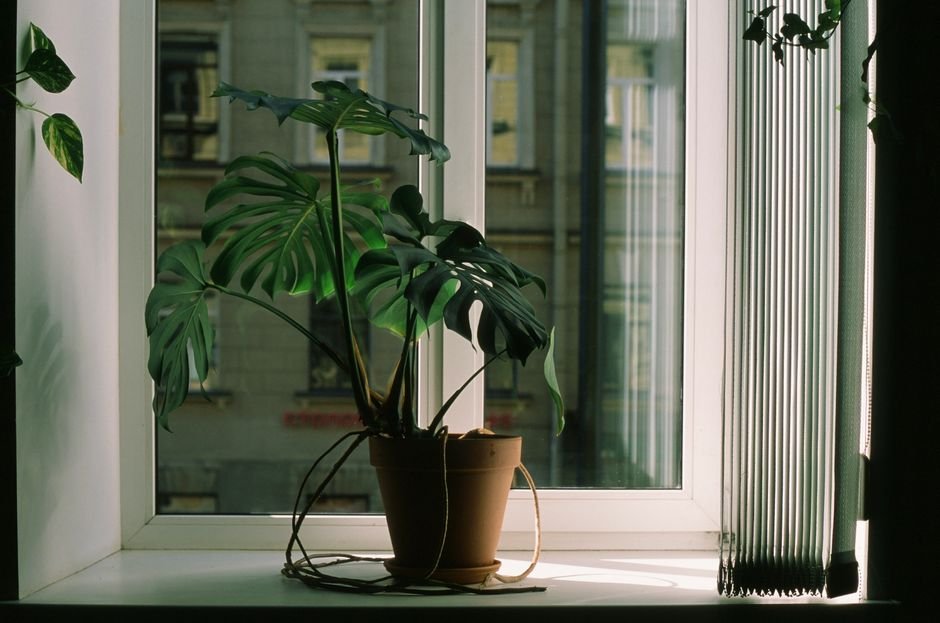

As a senior horticulturist at PlantsMag.com, I’ve seen countless plant enthusiasts struggle with the age-old question: “Am I watering my houseplants correctly?” While top-down watering is the traditional approach, mastering the technique of bottom watering your houseplants correctly can be a game-changer for plant health, promoting stronger roots and preventing common issues like fungal gnats and root rot. This method empowers your plants to absorb precisely the amount of water they need, leading to more robust growth and vibrant foliage. Let’s delve into why bottom watering is an essential skill for every indoor gardener.
Understanding the Science Behind Bottom Watering
Bottom watering leverages capillary action, the same principle that allows trees to draw water from their roots to their highest leaves. When you place a potted plant in a tray of water, the soil acts like a sponge, wicking water upwards through its pores. This process ensures an even distribution of moisture throughout the entire root ball, encouraging roots to grow downwards in search of water. Unlike top watering, which can compact soil and push oxygen out, bottom watering maintains optimal soil aeration, crucial for healthy root function. It also helps prevent the common issue of water channeling, where water flows quickly down the sides of the pot, leaving the central root ball dry.
Identifying When Your Houseplants Need Water
Knowing when to water is just as critical as knowing how. Overwatering is a leading cause of houseplant demise, but under-watering can be equally detrimental. Several indicators can help you determine if your plant is thirsty.
The Finger Test vs. Moisture Meters
The most reliable method for checking soil moisture is the finger test. Insert your finger about two inches deep into the soil. If it feels dry, it’s likely time to water. For a more precise reading, especially with larger pots or moisture-sensitive plants, a soil moisture meter can be invaluable. Products like the XLUX T10 Soil Moisture Meter or the Sonkir Soil pH Meter with Moisture/Light Function are affordable tools, typically ranging from $10-$20, that provide accurate readings, taking the guesswork out of watering schedules. Remember, different plants have different needs; some prefer to dry out more between waterings than others.
Recognizing Plant Cues
Your plants often communicate their needs through visual cues. Wilting leaves, despite the soil feeling dry, are a clear sign of thirst. Leaves that look dull, droopy, or slightly shriveled can also indicate a need for water. Conversely, yellowing leaves or mushy stems often point to overwatering. Learning these subtle signals from your specific plants will improve your watering regimen significantly.
Step-by-Step Guide to Bottom Watering Houseplants
Mastering this technique is straightforward. Here’s how to correctly bottom water your houseplants:
- Prepare Your Water: Use room-temperature water. Tap water is generally fine for most plants, but if your municipal water is heavily chlorinated or very hard, consider using filtered or distilled water, or let tap water sit out for 24 hours to allow chlorine to dissipate.
- Select a Container: Choose a tray, saucer, or basin large enough to hold your plant pot and a few inches of water. A plastic storage bin or even a kitchen sink can work for larger plants.
- Add Water to the Container: Pour 1-3 inches of water into your chosen container. The amount depends on the size of your pot.
- Place Your Plant: Carefully place your potted plant into the water, ensuring the drainage holes at the bottom of the pot are submerged.
- Wait and Observe: Allow the plant to soak for 15-45 minutes. You’ll notice the topsoil becoming visibly damp as the water wicks upwards. For very dry soil, it might take longer. Do not leave the plant soaking for more than an hour, as prolonged submersion can still lead to root issues.
- Check for Saturation: Once the topsoil is damp, or after the recommended soaking time, lift the pot. It should feel significantly heavier. You can also re-check with your finger or a moisture meter.
- Drain Excess Water: Remove the plant from the water bath and allow any excess water to drain completely from the drainage holes. This step is crucial to prevent the roots from sitting in standing water. You can place it on a drying rack or a towel for 10-15 minutes.
- Return to Its Spot: Once drained, place your plant back in its usual location.
Benefits of Bottom Watering for Houseplant Health
Beyond simply hydrating your plants, bottom watering offers several significant advantages:
- Prevents Fungal Gnats: Fungal gnat larvae thrive in consistently moist topsoil. By keeping the top layer of soil drier, bottom watering drastically reduces their breeding ground, making your home a less appealing habitat for these pesky insects.
- Even Moisture Distribution: This method ensures that the entire root ball, including the deepest roots, receives adequate moisture, promoting a stronger, more extensive root system.
- Reduces Soil Compaction: Top watering can sometimes compact the soil over time, reducing aeration. Bottom watering gently hydrates the soil without compacting it, maintaining a healthy, loose structure.
- Less Nutrient Leaching: When you top water, nutrients can be washed out of the soil through the drainage holes. Bottom watering minimizes this runoff, helping your plants retain valuable nutrients from their potting mix, such as Espoma Organic Potting Mix or FoxFarm Ocean Forest. Occasional top watering with a balanced liquid fertilizer like Dyna-Gro All-Pro 7-9-5 (around $15-$20 for 8oz) can still be beneficial for flushing salts.
- Cleaner Environment: No more water spilling over the sides of the pot onto your furniture or floor!
Common Mistakes to Avoid When Bottom Watering
While effective, bottom watering isn’t foolproof. Be mindful of these common pitfalls:
- Leaving Plants Soaking Too Long: As mentioned, prolonged submersion can still lead to waterlogged roots and root rot. Always remove plants after the soil is saturated or after a maximum of one hour.
- Neglecting to Flush the Soil: Over time, mineral salts from tap water and fertilizers can accumulate in the soil, especially with bottom watering. It’s wise to top water your plants thoroughly once every 1-2 months, allowing water to drain through, to flush out these salts.
- Using Cold Water: Shocking your plant’s roots with cold water can stress them. Always use room-temperature water.
- Not Checking Soil Moisture: Don’t assume a schedule. Always check the soil moisture before watering to ensure your plant actually needs it.
- Ignoring Top Growth: While bottom watering is excellent for roots, some plants, like those with very dense foliage, may still benefit from occasional misting or a quick shower to clean leaves and boost humidity.
Houseplants That Thrive with Bottom Watering
While many houseplants benefit, some truly flourish with bottom watering due to their specific needs or susceptibility to certain issues. These include:
- African Violets (Saintpaulia spp.): Their fuzzy leaves are prone to rot if water sits on them, making bottom watering ideal.
- Ferns (e.g., Boston Fern, Maidenhair Fern): These humidity-loving plants appreciate consistent, even moisture without their delicate fronds getting wet.
- Prayer Plants (Maranta leuconeura): They prefer consistently moist, but not soggy, soil, which bottom watering perfectly achieves.
- Pothos (Epipremnum aureum) & Philodendrons: These popular vining plants also respond well to this method for healthy root development.
Conversely, succulents and cacti, which prefer their soil to dry out completely and stay dry for extended periods, might be overwatered if left in a bottom-watering setup for too long. Always research your specific plant’s needs.
Comparative Care for Popular Houseplants
| Plant | Light | Watering Method | Humidity | Soil Type | Temperature |
|---|---|---|---|---|---|
| African Violet | Bright, indirect | Bottom watering preferred | High (60%+) | Light, well-draining (e.g., African Violet Mix) | 65-75°F (18-24°C) |
| Boston Fern | Bright, indirect | Bottom watering ideal | High (50%+) | Moisture-retentive, well-draining | 60-75°F (15-24°C) |
| Prayer Plant | Medium, indirect | Bottom watering excellent | High (50%+) | Well-draining, slightly acidic | 65-80°F (18-27°C) |
| Pothos | Low to bright, indirect | Bottom watering or top watering | Moderate (40%+) | Standard potting mix, well-draining | 65-80°F (18-27°C) |
| Echeveria (Succulent) | Bright, direct preferred | Top water thoroughly, let dry completely | Low | Cactus/succulent mix, very fast draining | 65-80°F (18-27°C) |
Frequently Asked Questions About Bottom Watering
How long should I leave my plant in water?
Generally, 15-45 minutes is sufficient for most plants. The goal is for the topsoil to become visibly damp. For extremely dry soil, it might take up to an hour. Never leave a plant soaking for more than an hour to prevent root rot.
Can I use tap water for bottom watering?
Yes, for most houseplants, tap water is acceptable. However, if your tap water is heavily chlorinated or has a high mineral content, it’s best to let it sit out for 24 hours to allow chlorine to evaporate, or use filtered/distilled water. Some sensitive plants, like Calatheas, prefer filtered water.
Does bottom watering prevent root rot?
Bottom watering significantly reduces the risk of root rot compared to indiscriminate top watering, as it encourages even moisture absorption and prevents the soil from becoming waterlogged. However, leaving plants in standing water for too long can still cause root rot, so proper drainage after soaking is crucial.
How often should I bottom water my plants?
The frequency depends entirely on the plant species, pot size, light conditions, and ambient humidity. Always check the soil moisture (e.g., with your finger or a moisture meter) before watering. There’s no fixed schedule; water only when the plant needs it.
Should I ever top water if I bottom water regularly?
Yes, it’s recommended to top water your plants thoroughly about once every 1-2 months. This helps flush out any accumulated mineral salts from the soil that can build up from tap water and fertilizers, preventing salt burn and nutrient imbalances.
Can all houseplants be bottom watered?
Most houseplants with drainage holes can benefit from bottom watering. However, plants that prefer very dry conditions between waterings, such as most succulents and cacti, may be more prone to overwatering with this method if not managed carefully. Always consider your specific plant’s moisture preferences.
By integrating bottom watering into your plant care routine, you’re not just watering; you’re cultivating a healthier, more resilient environment for your beloved houseplants. This method, combined with attentive observation and occasional soil flushing, will lead to thriving plants that bring joy to your home for years to come. Happy growing!