
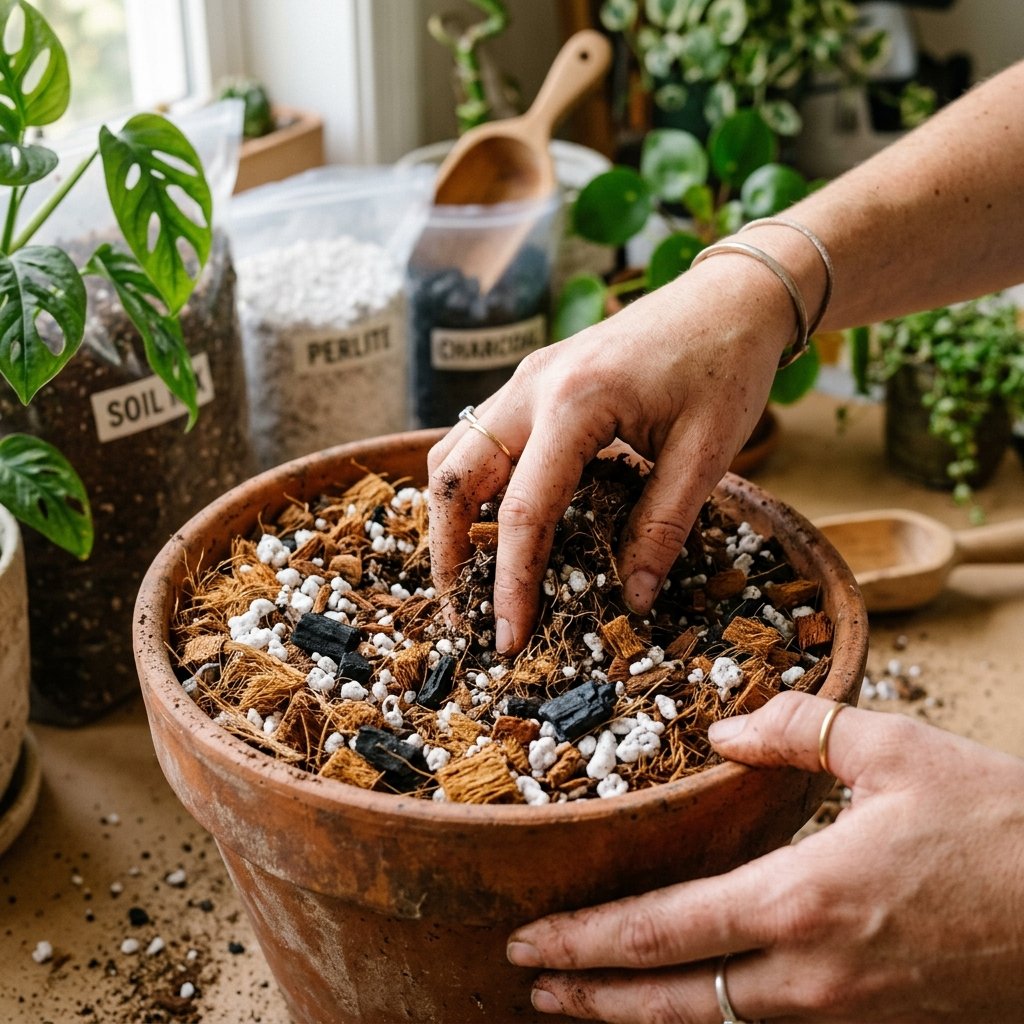

If you pick up a bag of standard potting soil from a hardware store today, chances are it is 70% peat moss. For decades, peat moss has been the undisputed king of horticulture. But a massive environmental reckoning is sweeping through the gardening community, and Coco Coir is rapidly taking the throne.
The Environmental Shockwave of Peat Mining
Peat bogs cover just 3% of the world’s surface but store more carbon than all the world’s forests combined. To harvest peat moss, massive machines scrape away these ancient bogs, releasing millennia of trapped carbon dioxide directly into the atmosphere, accelerating climate change at an alarming rate.
Why the UK Banned It
- The 2024 Ban: The United Kingdom banned the sale of peat-based compost for amateur gardeners in 2024, triggering a wave of alternatives.
- Renewability: Peat takes thousands of years to form. It grows at a rate of 1mm per year. It is practically a fossil fuel.
Enter Coco Coir: The Ultimate Alternative
Coco coir is a byproduct of the coconut industry. It is the fibrous husk of the coconut that used to be discarded as waste. Today, it is washed, dried, and compressed into bricks for horticultural use.
Why Coco Coir is Actually BETTER for Aroids
Besides being eco-friendly, coco coir mechanically outperforms peat moss for tropical houseplants in almost every metric:
- Hydrophobicity: Have you ever let peat moss go bone dry, only to find that water pools on top and rolls off? Peat becomes hydrophobic. Coco coir absorbs water instantly, no matter how dry it gets.
- Aeration: Coir maintains a naturally spongy structure that prevents soil compaction, allowing massive air pockets to form around sensitive Aroid roots.
- pH Neutrality: Peat is highly acidic (around 4.0 pH), requiring massive amounts of limestone to balance. Coco coir naturally sits closer to a perfect 6.0-6.5 pH.
How to Make the Switch
When buying coco coir bricks, ensure you buy flushed, low-salt varieties. Soak the brick in water, mix it 1:1 with coarse perlite and orchid bark, and you have instantly created a guilt-free, incredibly airy substrate that your Monsteras will absolutely adore.
Frequently Asked Questions
What are the best conditions for this plant?
Most houseplants thrive in bright, indirect light with temperatures between 65-80F (18-27C). Ensure good drainage and water when the top inch of soil feels dry.
How often should I water?
Watering frequency depends on the plant species, pot size, and environment. A general rule is to check the soil moisture before watering. Overwatering is the most common cause of houseplant death.
What soil mix works best?
A well-draining mix of peat moss, perlite, and orchid bark works well for most tropical houseplants. Succulents prefer a grittier mix with more sand and perlite.
Quick Care Reference
| Factor | Requirement | Notes |
|---|---|---|
| Light | Bright indirect | Avoid direct afternoon sun |
| Water | When top inch dry | Reduce in winter |
| Humidity | 50-70% | Mist or use pebble tray |
| Temperature | 65-80F (18-27C) | Avoid cold drafts |
| Soil | Well-draining mix | Peat, perlite, bark |
| Fertilizer | Monthly (spring-summer) | Half-strength balanced |