
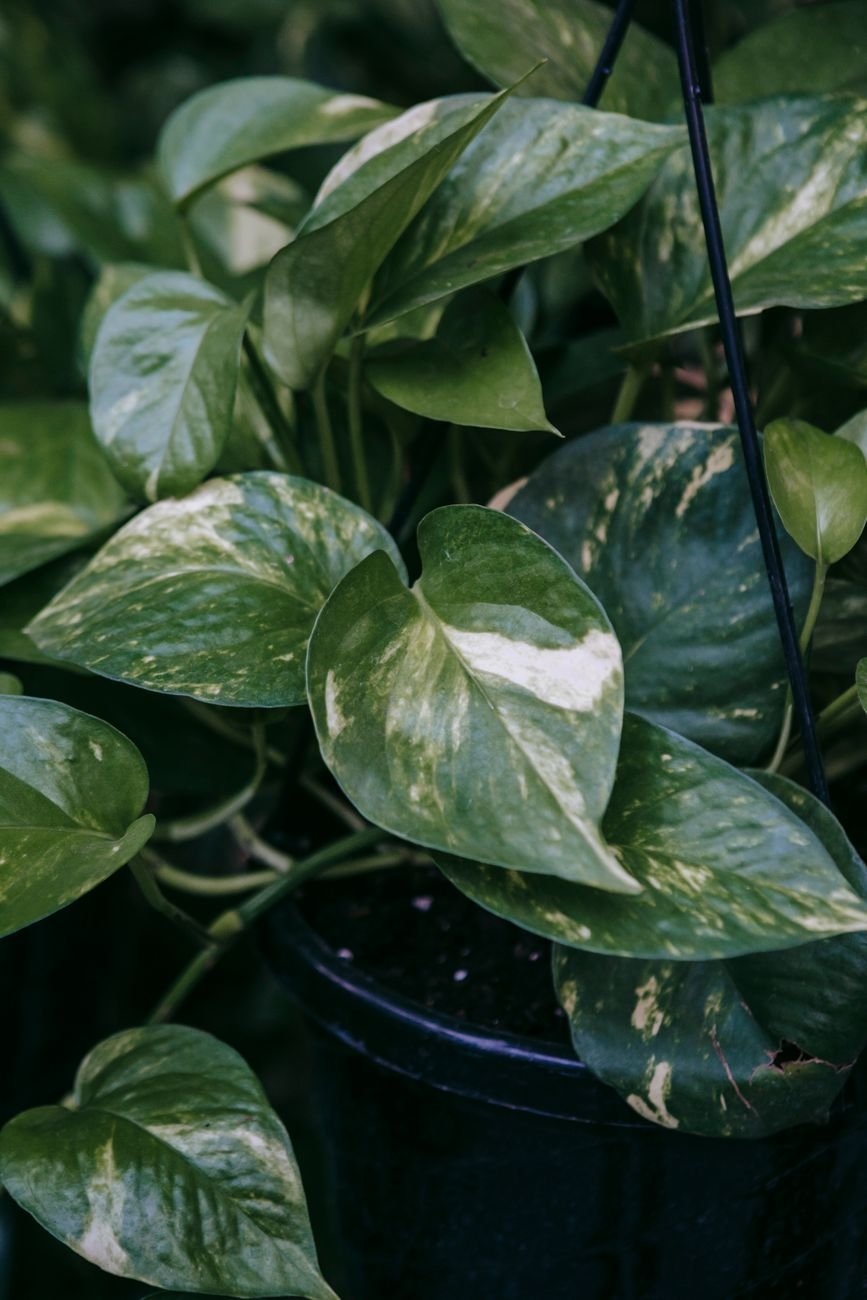

Pothos Powerhouse: Golden vs. Marble Queen vs. Neon – Which Reigns Supreme?
Pothos, also known as Devil’s Ivy, are incredibly popular houseplants prized for their ease of care and stunning trailing vines. They’re perfect for beginners and experienced plant parents alike. But with so many varieties available, choosing the right one can be a bit overwhelming. This guide breaks down the key differences between three of the most beloved Pothos varieties: Golden, Marble Queen, and Neon. We’ll cover their appearance, care requirements, and even help you decide which one best suits your lifestyle and home.
Understanding the Pothos Family
Before diving into the specific varieties, let’s establish a baseline. All Pothos belong to the genus Epipremnum aureum. This means they share many fundamental characteristics. They’re all relatively low-maintenance, tolerant of a range of light conditions (though they thrive in bright, indirect light), and propagate easily from stem cuttings. They also all contribute to cleaner air indoors.
Golden Pothos: The Classic Choice
The Golden Pothos is arguably the most recognizable and widely available Pothos variety. Its appeal lies in its vibrant green leaves splashed with streaks of golden yellow variegation. The intensity of the gold can vary depending on the light it receives, with more light generally leading to more pronounced variegation.
Golden Pothos Characteristics:
- Variegation: Irregular streaks and patches of golden yellow.
- Leaf Shape: Heart-shaped, can grow quite large with maturity.
- Growth Rate: Relatively fast grower.
- Light Needs: Adaptable, but thrives in bright, indirect light. Lower light can lead to less variegation.
- Maintenance: Very low-maintenance, perfect for beginners.
Golden Pothos are incredibly versatile. They can be grown in hanging baskets, trained to climb trellises, or even allowed to trail across shelves. Their forgiving nature makes them an excellent choice for anyone new to plant care.
Marble Queen Pothos: A Touch of Elegance
The Marble Queen Pothos offers a more dramatic look compared to its Golden cousin. Its leaves are a striking mix of green and creamy white marbling, creating a sophisticated and elegant appearance. The variegation is often more pronounced and widespread than in Golden Pothos.
Marble Queen Pothos Characteristics:
- Variegation: Creamy white marbling patterns, often covering a significant portion of the leaf.
- Leaf Shape: Similar heart-shaped leaves to Golden Pothos.
- Growth Rate: Slightly slower growth rate than Golden Pothos, especially in lower light.
- Light Needs: Requires bright, indirect light to maintain its vibrant variegation. Insufficient light can cause the white areas to revert to green.
- Maintenance: Still relatively low-maintenance, but slightly more sensitive to light than Golden Pothos.
Marble Queen Pothos are ideal for adding a touch of sophistication to any space. They look stunning in decorative pots and hanging baskets, and their unique variegation makes them a true statement piece. Consider using a self-watering pot to avoid overwatering.
Neon Pothos: A Pop of Color
The Neon Pothos stands out with its vibrant, chartreuse-colored leaves. It’s a refreshing departure from the variegated patterns of Golden and Marble Queen, offering a bold and eye-catching splash of color. The color is most intense in new growth and can fade slightly as the leaves mature.
Neon Pothos Characteristics:
- Variegation: None. Leaves are a solid, bright chartreuse green.
- Leaf Shape: Similar heart-shaped leaves to other Pothos varieties.
- Growth Rate: Moderate growth rate.
- Light Needs: Prefers bright, indirect light to maintain its vibrant color. Too much direct sun can scorch the leaves, while too little light can cause the color to fade.
- Maintenance: Easy to care for, similar to Golden Pothos.
Neon Pothos are perfect for adding a pop of color to any room. Their bright, cheerful foliage brightens up even the dullest spaces. They look fantastic in hanging baskets or cascading from shelves. Use a well-draining potting mix to prevent root rot.
Side-by-Side Comparison: Golden vs. Marble Queen vs. Neon
Here’s a table summarizing the key differences between these three Pothos varieties:
| Characteristic | Golden Pothos | Marble Queen Pothos | Neon Pothos |
|---|---|---|---|
| Variegation | Golden yellow streaks and patches | Creamy white marbling | None (solid chartreuse green) |
| Light Needs | Bright, indirect light (tolerates lower light) | Bright, indirect light (more sensitive) | Bright, indirect light (avoid direct sun) |
| Growth Rate | Fast | Moderate (slightly slower) | Moderate |
| Maintenance | Very Low | Low (slightly more sensitive to light) | Low |
| Overall Appearance | Classic, versatile | Elegant, sophisticated | Bold, colorful |
Caring for Your Pothos: A General Guide
Regardless of which Pothos variety you choose, the basic care principles remain the same. Here’s a step-by-step guide to keeping your Pothos thriving:
- Light: Provide bright, indirect light. Avoid direct sunlight, which can scorch the leaves. If the variegation starts to fade (in Golden or Marble Queen), move the plant to a brighter location. Consider using a grow light if you have limited natural light.
- Watering: Allow the soil to dry out slightly between waterings. Overwatering is a common problem and can lead to root rot. Check the soil moisture with a moisture meter before watering.
- Soil: Use a well-draining potting mix. A mix specifically formulated for houseplants is ideal. You can also amend regular potting mix with perlite or orchid bark to improve drainage.
- Humidity: Pothos are relatively tolerant of average humidity levels, but they will appreciate higher humidity. You can increase humidity by misting the plant regularly, placing it on a pebble tray filled with water, or using a humidifier.
- Fertilizing: Fertilize your Pothos every 2-4 weeks during the growing season (spring and summer) with a balanced liquid fertilizer diluted to half strength. Reduce or eliminate fertilizing during the fall and winter.
- Pruning: Prune your Pothos regularly to encourage bushier growth and remove any yellow or damaged leaves. You can easily propagate the cuttings to create new plants.
- Repotting: Repot your Pothos every 1-2 years, or when it becomes root-bound. Choose a pot that is slightly larger than the previous one.
Troubleshooting Common Pothos Problems
Even with the best care, you might encounter some common Pothos problems. Here’s how to troubleshoot them:
- Yellowing leaves: Often caused by overwatering. Allow the soil to dry out more between waterings.
- Brown leaf tips: Can be caused by dry air, underwatering, or fertilizer burn. Increase humidity, water more regularly, or reduce fertilizer application.
- Leggy growth: Usually a sign of insufficient light. Move the plant to a brighter location.
- Loss of variegation: Insufficient light. Move the plant to a brighter location.
- Root rot: Caused by overwatering and poor drainage. Repot the plant in fresh, well-draining soil and allow it to dry out more between waterings.
Propagation: Expanding Your Pothos Collection
Pothos are incredibly easy to propagate from stem cuttings. Here’s how:
- Take a cutting: Using clean scissors or pruning shears, cut a stem that includes at least one node (the point where a leaf emerges from the stem).
- Prepare the cutting: Remove the leaves from the bottom node.
- Rooting in water: Place the cutting in a glass of water, ensuring that the node is submerged.
- Rooting in soil: Alternatively, you can plant the cutting directly into moist potting mix.
- Wait for roots: In a few weeks, roots will begin to develop. Once the roots are a few inches long (if rooting in water), you can pot the cutting in soil.
- Care for the new plant: Treat the new plant as you would a mature Pothos.
Propagating Pothos is a rewarding way to expand your plant collection and share your love of these beautiful plants with friends and family. You can even use a rooting hormone to encourage faster root development.
Choosing the Right Pothos for You
Ultimately, the best Pothos variety for you depends on your personal preferences and growing conditions. If you’re a beginner looking for a low-maintenance plant, the Golden Pothos is an excellent choice. If you want to add a touch of elegance to your space, the Marble Queen Pothos is a stunning option. And if you’re looking for a bold pop of color, the Neon Pothos is sure to brighten up any room. No matter which variety you choose, you’re sure to enjoy the beauty and easy care of these versatile houseplants. Don’t forget to consider a stylish planter to complement your chosen Pothos!
Internal Linking Opportunities
For more information on selecting the right potting mix, check out our article on choosing the best potting mix for houseplants. You might also be interested in learning about selecting the right indoor grow lights if your home lacks sufficient natural light. Finally, consider reading our guide on common houseplant pests and diseases to keep your Pothos healthy and thriving.
Frequently Asked Questions (FAQ)
Are Pothos toxic to pets?
Yes, Pothos are toxic to cats and dogs. They contain calcium oxalate crystals, which can cause irritation to the mouth, throat, and stomach if ingested. Keep Pothos out of reach of pets.
How often should I water my Pothos?
Water your Pothos when the top inch of soil feels dry. Overwatering is a common problem, so it’s better to err on the side of underwatering. Use a moisture meter to accurately assess soil moisture.
Why are my Pothos leaves turning yellow?
Yellowing leaves can be caused by a variety of factors, including overwatering, underwatering, nutrient deficiencies, and pests. Check the soil moisture, light levels, and for any signs of pests to determine the cause.
Can I grow Pothos in low light?
Pothos can tolerate low light conditions, but they will not thrive. They will grow best in bright, indirect light. Lower light can lead to slower growth and less vibrant coloration. Consider supplementing with a grow light if needed.
How do I make my Pothos more bushy?
Pruning your Pothos regularly will encourage bushier growth. Cut back the vines to just above a leaf node. You can also propagate the cuttings to create new plants.