
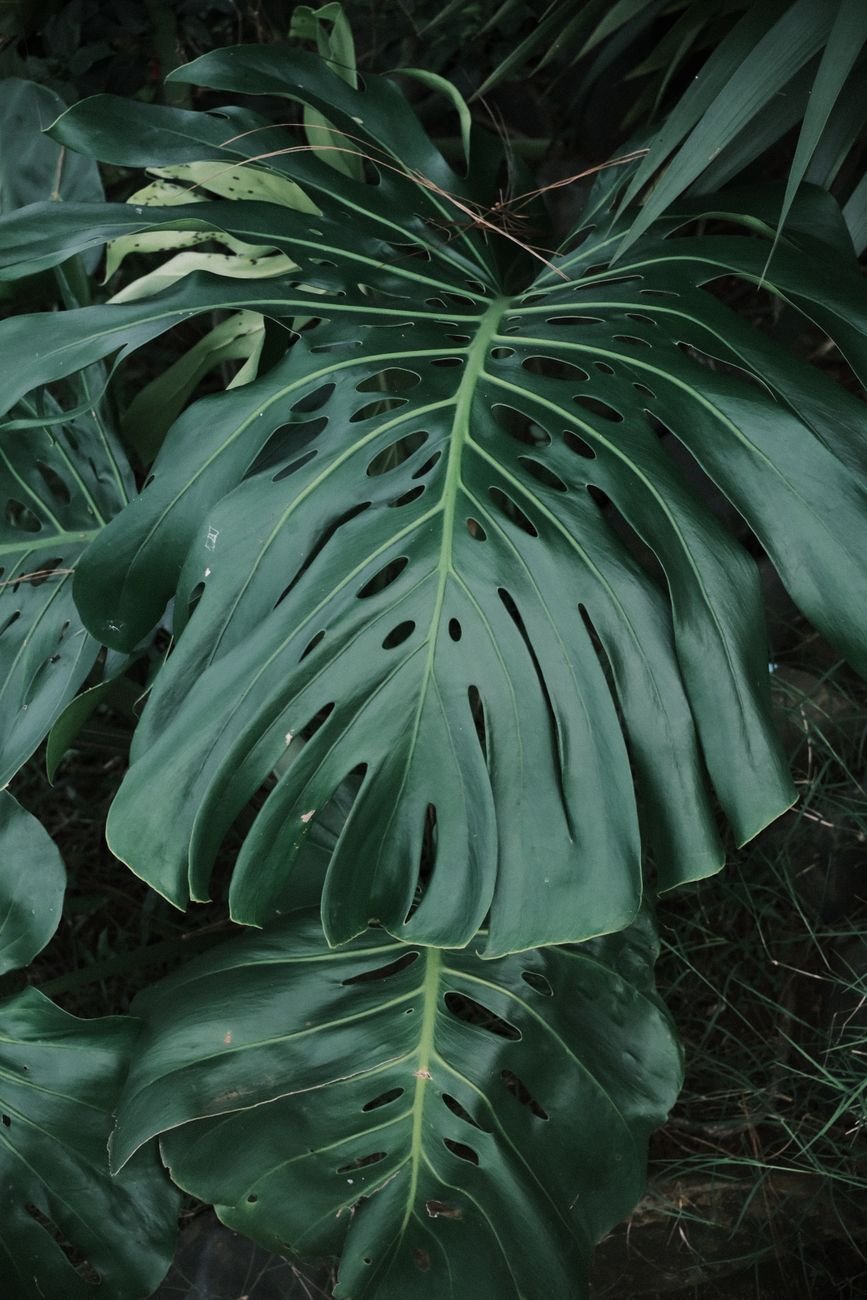

The rare plant market is booming, and within it, the genus Philodendron reigns supreme. For serious collectors willing to invest in premium equipment and source exceptional specimens, 2026 presents a unique opportunity to build a valuable and aesthetically rewarding collection. This guide provides an in-depth analysis of the current market, identifies promising investment opportunities, and outlines the necessary steps to ensure your rare Philodendrons thrive, maximizing your return on investment (ROI).
Understanding the Rare Philodendron Market in 2026
The demand for rare Philodendrons continues to outstrip supply, driving up prices and creating a competitive market. Several factors contribute to this phenomenon:
- Increased Online Visibility: Social media platforms like Instagram and YouTube have amplified the visibility of rare plants, attracting a wider audience of potential buyers.
- Limited Availability: Many rare Philodendrons are either endemic to specific regions or difficult to propagate, limiting their availability.
- Investment Potential: Rare plants are increasingly viewed as alternative investments, attracting collectors seeking to diversify their portfolios.
In 2025, a variegated Philodendron spiritus-sancti sold for over $25,000 at auction. While this represents an extreme case, it highlights the potential for significant returns. However, success requires careful planning, diligent care, and a strategic approach to acquiring and maintaining these valuable plants.
Identifying Promising Investment Opportunities
Not all rare Philodendrons are created equal. Some species and cultivars hold greater investment potential due to their rarity, aesthetic appeal, and ease of propagation (for increasing your collection and generating revenue through cuttings). Here are a few promising candidates for 2026:
- Philodendron spiritus-sancti: Arguably the most sought-after Philodendron, with its elongated, deeply lobed leaves. Expect to pay upwards of $5,000 for a healthy specimen, with variegated forms commanding significantly higher prices.
- Philodendron joepii: Another highly desirable species with unique, three-lobed leaves. Prices range from $1,000 to $3,000 depending on size and condition.
- Philodendron melanochrysum: While not as rare as the previous two, melanochrysum remains highly popular for its velvety, dark green leaves. Mature specimens with established vines can fetch $500 to $1,500.
- Philodendron verrucosum: Prized for its heavily textured, iridescent leaves and red undersides. Expect to pay $300 to $1,000 depending on the cultivar and size. Look for cultivars with exceptional variegation (e.g., ‘Emerald Gem’).
- Variegated Forms: Any Philodendron with stable variegation (e.g., Philodendron gloriosum ‘Variegated’, Philodendron billietiae ‘Variegated’) commands a premium. Variegation significantly increases the aesthetic appeal and rarity of a plant.
Essential Equipment and Supplies for Rare Philodendron Care
Investing in the right equipment is crucial for successfully cultivating rare Philodendrons and maximizing their growth and value. Cutting corners can lead to stunted growth, disease, and ultimately, a loss of investment. Here’s a breakdown of essential equipment and supplies:
1. Professional Grow Light Systems
Rare Philodendrons require optimal light conditions to thrive. Investing in a professional-grade grow light system is essential, especially if you live in a region with limited natural sunlight. Look for full-spectrum LED grow lights with adjustable intensity and timers.
| Product | Tier | Price (USD) | Features | Benefits |
|---|---|---|---|---|
| Spider Farmer SF-2000 LED Grow Light | Entry-Level | $299 | Full-spectrum, dimmable, energy-efficient | Good for small collections, provides adequate light for most Philodendrons. |
| HLG 300 V2 LED Grow Light | Mid-Range | $449 | High PAR output, efficient heat dissipation, durable construction | Suitable for larger collections or plants with higher light requirements. |
| Gavita Pro 1700e LED Grow Light | Premium | $1299 | Maximum PAR output, wide coverage area, advanced spectrum control | Ideal for maximizing growth and variegation in rare and valuable specimens. |
ROI Calculation: A Gavita Pro 1700e, while expensive, can significantly increase the growth rate and overall health of your rare Philodendrons. A faster growth rate translates to more cuttings, which can be sold to generate revenue. For example, if a single Philodendron spiritus-sancti cutting sells for $500, and the Gavita Pro 1700e helps you produce 3 additional cuttings per year compared to a cheaper light, the ROI is approximately 115% in the first year alone (assuming initial plant cost is negligible for the calculation). This doesn’t factor in the increased value of the mother plant due to healthier growth.
2. Premium Soil Mixes
The right soil mix is crucial for providing adequate drainage, aeration, and nutrients. Avoid using generic potting soil, as it often retains too much moisture and can lead to root rot. Invest in a premium aroid mix specifically formulated for Philodendrons.
Recommended Components:
- Coco Coir: Provides excellent drainage and aeration.
- Orchid Bark: Improves drainage and provides structural support.
- Perlite: Enhances aeration and drainage.
- Worm Castings: Provides slow-release nutrients.
- Activated Charcoal: Helps to filter out impurities and prevent root rot.
You can purchase pre-made aroid mixes or create your own. Experiment to find the mix that works best for your specific Philodendron species and growing conditions.
3. Environmental Control Systems
Maintaining consistent temperature and humidity levels is essential for rare Philodendron health. Consider investing in a humidifier, dehumidifier, and temperature controller to create an optimal growing environment.
- Humidifier: Philodendrons thrive in high humidity (60-80%).
- Dehumidifier: Prevents fungal diseases in humid climates.
- Temperature Controller: Maintains a consistent temperature range (65-80°F).
4. High-Quality Pots and Support Structures
Choose pots with adequate drainage holes to prevent root rot. Consider using terracotta pots, which allow for better aeration. Provide support structures, such as moss poles or trellises, for vining Philodendrons.
Step-by-Step Guide to Propagating Rare Philodendrons
Propagating rare Philodendrons is a key strategy for expanding your collection and generating revenue. Here’s a step-by-step guide to propagating using stem cuttings:
- Select a Healthy Stem: Choose a healthy stem with at least two nodes (the points where leaves emerge).
- Make the Cut: Using sterilized pruning shears or a sharp knife, make a clean cut just below a node.
- Prepare the Cutting: Remove the lower leaves from the cutting, leaving only the top one or two leaves.
- Rooting Medium: You can root Philodendron cuttings in water, sphagnum moss, or perlite. Water propagation is the easiest method for beginners.
- Water Propagation: Place the cutting in a clean glass or jar filled with water. Ensure that the nodes are submerged, but the leaves are above the water line.
- Sphagnum Moss Propagation: Moisten sphagnum moss and gently wrap it around the nodes of the cutting. Place the moss-wrapped cutting in a clear plastic bag to create a humid environment.
- Perlite Propagation: Fill a container with moistened perlite and insert the cutting into the perlite.
- Provide Warmth and Light: Place the cutting in a warm location with bright, indirect light. Avoid direct sunlight, which can scorch the leaves.
- Monitor and Maintain: Change the water regularly (every 2-3 days) or mist the sphagnum moss/perlite to keep it moist.
- Root Development: Roots should begin to emerge within a few weeks.
- Potting Up: Once the roots are 1-2 inches long, carefully pot the cutting in a well-draining aroid mix.
- Aftercare: Provide regular watering, fertilization, and humidity.
Protecting Your Investment: Pest and Disease Management
Pests and diseases can quickly decimate a rare Philodendron collection. Implementing a proactive pest and disease management strategy is crucial.
- Regular Inspection: Regularly inspect your plants for signs of pests or diseases. Look for discoloration, spots, or webbing on the leaves.
- Quarantine New Plants: Quarantine new plants for at least two weeks to prevent the introduction of pests or diseases.
- Beneficial Insects: Introduce beneficial insects, such as ladybugs and lacewings, to control pest populations.
- Neem Oil: Apply neem oil to control common pests, such as spider mites, aphids, and mealybugs.
- Fungicides: Use fungicides to prevent and treat fungal diseases.
- Proper Ventilation: Ensure proper ventilation to prevent fungal diseases.
Maximizing ROI: Strategic Selling and Trading
Once your rare Philodendrons have matured and you have successfully propagated cuttings, you can begin to generate revenue through selling and trading.
- Online Marketplaces: Utilize online marketplaces, such as eBay, Etsy, and specialized plant groups on social media, to reach a wider audience of potential buyers.
- Local Plant Sales: Participate in local plant sales and events to connect with other collectors and sell your plants.
- Trading: Trade cuttings or whole plants with other collectors to expand your collection and acquire new species.
- Documentation: Maintain detailed records of your plants, including their origin, growth history, and any treatments they have received. This information will increase their value and appeal to potential buyers.
Cost-Benefit Analysis: Investing in Rare Philodendrons
Before investing in rare Philodendrons, it’s essential to conduct a thorough cost-benefit analysis. Consider the following factors:
Costs:
- Initial Plant Purchase: The cost of acquiring rare Philodendron specimens.
- Equipment and Supplies: The cost of grow lights, soil mixes, pots, and other essential supplies.
- Electricity: The cost of running grow lights and environmental control systems.
- Fertilizers and Pest Control: The cost of fertilizers and pest control products.
- Time and Labor: The time and effort required to care for your plants.
Benefits:
- Appreciation in Value: The potential appreciation in value of rare Philodendron specimens.
- Revenue from Cuttings: The revenue generated from selling cuttings.
- Aesthetic Enjoyment: The aesthetic enjoyment of owning and caring for rare and beautiful plants.
- Community Engagement: The opportunity to connect with other plant collectors and enthusiasts.
By carefully weighing the costs and benefits, you can make an informed decision about whether investing in rare Philodendrons is the right choice for you. Remember to factor in risk: market trends can shift, and plant health is never guaranteed.
Conclusion: A Rewarding Investment with Careful Planning
Investing in rare Philodendron species in 2026 presents a significant opportunity for serious collectors. By acquiring desirable specimens, investing in essential equipment, implementing proper care techniques, and strategically selling and trading, you can build a valuable and aesthetically rewarding collection. However, success requires careful planning, diligent effort, and a passion for these extraordinary plants. This is not a get-rich-quick scheme; it requires dedication and knowledge. With the right approach, your investment in rare Philodendrons can provide both financial returns and a deep sense of satisfaction.
FAQ
What is the best way to water rare Philodendrons?
Water thoroughly when the top inch of soil feels dry. Avoid overwatering, which can lead to root rot. Use filtered water to prevent mineral buildup in the soil.
How often should I fertilize my rare Philodendrons?
Fertilize every 2-4 weeks during the growing season (spring and summer) with a balanced liquid fertilizer diluted to half strength. Reduce fertilization during the dormant season (fall and winter).
What are the signs of overwatering in Philodendrons?
Yellowing leaves, drooping leaves, mushy stems, and root rot are all signs of overwatering.
How can I increase the humidity for my Philodendrons?
Use a humidifier, group plants together, or place plants on a pebble tray filled with water.
Where can I find reputable sellers of rare Philodendrons?
Look for established nurseries specializing in rare plants, reputable online marketplaces with verified sellers, and local plant societies.
What are the most common pests that affect Philodendrons?
Spider mites, aphids, mealybugs, and scale are common pests that can affect Philodendrons.
How do I treat a Philodendron with root rot?
Remove the plant from its pot, trim away any rotted roots, and repot in fresh, well-draining soil. Avoid overwatering in the future.
Is it worth investing in a variegated Philodendron?
Variegated Philodendrons generally command higher prices due to their rarity and aesthetic appeal. However, ensure the variegation is stable and the plant is healthy before investing.