
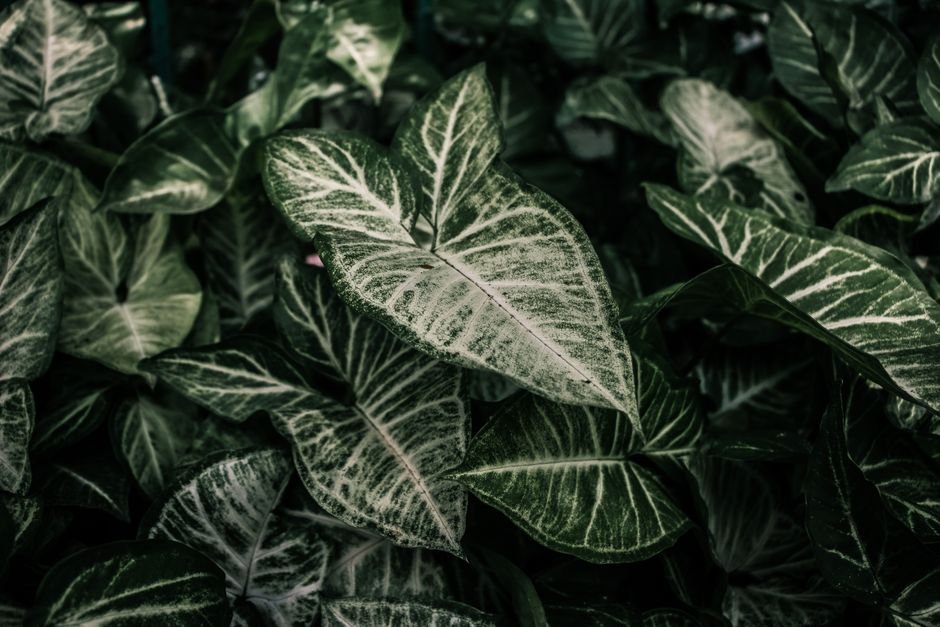

Welcome to the enchanting world of Syngonium, commonly known as the arrowhead plant! Beloved for their diverse foliage and relatively easy care, Syngoniums have become a staple in US plant collections, gracing homes with their vibrant colors and distinctive leaf shapes. From compact desk plants to vining beauties, there’s a Syngonium for every taste and space. This comprehensive guide will delve into the most captivating Syngonium varieties and care tips for US collectors, ensuring your arrowhead plants not only survive but truly thrive.
The Diverse World of Syngonium Varieties
Syngonium podophyllum, native to tropical rainforests, boasts an incredible array of cultivars, each displaying unique leaf patterns, colors, and textures. Their leaves often change shape as they mature, transitioning from arrowhead to more lobed or segmented forms, adding to their dynamic appeal. Whether you’re a seasoned collector or a beginner, exploring the breadth of available Syngoniums is a delightful journey.
Popular Syngonium Cultivars
Many Syngoniums are widely available at US nurseries and garden centers, offering stunning beauty without breaking the bank. The ‘Pink Splash’ is a perennial favorite, celebrated for its green leaves speckled with splashes of vibrant pink. ‘Neon Robusta’ captivates with its soft, rosy-pink foliage, while ‘White Butterfly’ features creamy white centers contrasting with green margins. For a classic look, ‘Green Splash’ or ‘Berry Allusion’ offer subtle variegation. You can often find a 4-inch pot of these popular varieties for $10-$25 USD.
Rare and Collector Syngoniums
For those seeking something more unique, a thriving online community and specialty shops offer rarer Syngoniums. The highly sought-after ‘Albo Variegata’ displays striking white and green sectoral variegation, often fetching $50-$200+ for a well-rooted cutting. ‘Mojito’ features a mesmerizing marbled pattern of dark green and lime. ‘Panda’ offers deep green leaves with creamy white splotches, while ‘Imperial White’ and ‘Milk Confetti’ present stunning, almost entirely white or heavily speckled pink and white foliage, respectively. These can range from $30 to several hundred dollars depending on size and variegation.
Essential Syngonium Care Requirements
While Syngoniums are generally forgiving, understanding their fundamental needs is crucial for robust growth and vibrant foliage. Mimicking their native tropical environment is key. Here’s a quick overview of their basic requirements:
| Requirement | Optimal Conditions |
|---|---|
| Light | Bright, indirect light (east or north-facing window) |
| Water | When top 1-2 inches of soil are dry; avoid soggy soil |
| Humidity | High (60%+ preferred) |
| Soil | Well-draining, aerated potting mix (peat, perlite, bark) |
| Temperature | 65-80°F (18-27°C); avoid sudden drops |
Optimizing Light, Water, and Humidity for Thriving Syngoniums
These three factors are paramount to your Syngonium’s health and appearance. Getting them right will result in lush, colorful foliage.
Light
Syngoniums flourish in bright, indirect light. An east or north-facing window is often ideal, providing gentle morning sun or consistent ambient light. Direct, harsh afternoon sun can scorch their delicate leaves, leading to faded colors or brown patches. If your home lacks sufficient natural light, a full-spectrum LED grow light (available for $30-$60 on Amazon or at local hardware stores) can provide the necessary intensity for 10-12 hours daily. Insufficient light can lead to leggy growth and duller variegation.
Watering
Water your Syngonium thoroughly when the top 1-2 inches of soil feel dry to the touch. A simple finger test works well, or you can use an inexpensive moisture meter (typically $10-$20) for more accuracy. Ensure the pot has drainage holes to prevent waterlogging, which can lead to root rot. After watering, empty any excess water from the saucer. In winter, reduce watering frequency as the plant’s growth slows.
Humidity
As tropical plants, Syngoniums adore high humidity (60% or more). In drier US climates or during winter months with indoor heating, supplementing humidity is beneficial. You can place your plant near a humidifier (small models range from $30-$70), use a pebble tray filled with water beneath the pot (ensuring the pot doesn’t sit directly in water), or group plants together to create a microclimate. Misting is a temporary solution and less effective than consistent methods.
Soil, Fertilization, and Temperature Management
Beyond light and water, the growing medium and ambient conditions play a significant role in your Syngonium’s vitality.
Soil
A well-draining, aerated potting mix is crucial to prevent root rot. A good blend typically includes peat moss or coco coir for moisture retention, perlite or pumice for drainage, and a bit of orchid bark for aeration. Commercial options like Foxfarm Ocean Forest Potting Soil or Espoma Organic Potting Mix (around $15-$25 for a 1.5 cu ft bag) are excellent bases that you can amend with extra perlite or bark. Avoid heavy, dense soils that retain too much moisture.
Fertilization
During the active growing season (spring and summer), feed your Syngonium monthly with a balanced liquid houseplant fertilizer, diluted to half strength. Brands like Dyna-Gro Foliage-Pro (around $15-$20 for 8oz) or a general organic houseplant fertilizer work well. Reduce or stop fertilizing in fall and winter when growth naturally slows. Over-fertilization can burn roots, so always err on the side of caution.
Temperature
Syngoniums thrive in average room temperatures between 65-80°F (18-27°C). They are not frost-tolerant and should be protected from temperatures below 55°F (13°C). For US collectors, this means Syngoniums are primarily indoor plants, though they can be grown outdoors in USDA Hardiness Zones 10-12 where temperatures rarely drop below freezing. Keep them away from cold drafts from windows or air conditioning vents.
Propagating and Pruning Your Syngonium
Syngoniums are vigorous growers, and pruning not only keeps them bushy but also provides opportunities for propagation, allowing you to expand your collection or share with friends.
Propagating Syngonium from Cuttings
Propagating Syngoniums is incredibly easy, making it a rewarding experience for any plant parent. Here’s a simple step-by-step guide for water propagation:
- Select a Stem: Choose a healthy stem with at least 2-3 leaves and a visible node (the bump where leaves or aerial roots emerge).
- Make the Cut: Using clean, sharp scissors or pruners, make a cut just below a node. Ensure your cutting is at least 4-6 inches long.
- Remove Lower Leaves: Strip off any leaves that would be submerged in water to prevent rot.
- Place in Water: Put the cutting in a clear glass or jar filled with filtered water. Ensure at least one node is submerged.
- Monitor and Refresh: Place the jar in bright, indirect light. Change the water every few days to keep it fresh.
- Plant When Rooted: Roots should begin to form within 2-4 weeks. Once roots are 1-2 inches long, you can transfer the cutting to a small pot with appropriate potting mix.
Pruning for Health and Shape
Syngoniums naturally want to vine. Regular pruning encourages a bushier growth habit and helps maintain a desirable size and shape. Simply snip back any leggy stems above a node. This also encourages new growth and can revitalize an older, sparse plant. You can also train vining varieties up a moss pole or trellis for a more upright display.
Frequently Asked Questions About Syngonium Care
Is Syngonium toxic to pets?
Yes, Syngoniums are considered toxic to pets (and humans) if ingested due to the presence of calcium oxalate crystals. These can cause irritation to the mouth, throat, and digestive tract. Keep Syngoniums out of reach of curious pets and children.
Why are my Syngonium leaves turning yellow?
Yellowing leaves often indicate overwatering, especially if they are soft and mushy. It can also be a sign of underwatering (leaves will be crispy), nutrient deficiency, or simply older leaves naturally dying off. Check your soil moisture and watering routine first.
How often should I repot my Syngonium?
Syngoniums generally need repotting every 1-2 years, or when they become root-bound (roots growing out of drainage holes) or their growth slows significantly. Choose a pot only one size larger than the current one to avoid excessive moisture retention.
Can Syngonium grow in water indefinitely?
While Syngoniums can root and survive in water for extended periods, they typically thrive and grow larger when planted in soil. If growing in water long-term, you’ll need to provide nutrients through liquid fertilizer specifically formulated for hydroponics.
What pests commonly affect Syngoniums?
Syngoniums can occasionally be susceptible to common houseplant pests like spider mites, mealybugs, and thrips. Regularly inspect your plants, especially the undersides of leaves. Treat infestations with insecticidal soap or neem oil, following product instructions carefully.
Conclusion
Syngoniums offer a truly rewarding experience for US plant enthusiasts, combining stunning visual appeal with manageable care requirements. By understanding the nuances of light, water, humidity, and soil, and by exploring the vast array of available varieties, you can cultivate a thriving collection that brings vibrant life to your indoor spaces. Embrace the journey of discovery with these captivating arrowhead plants!