
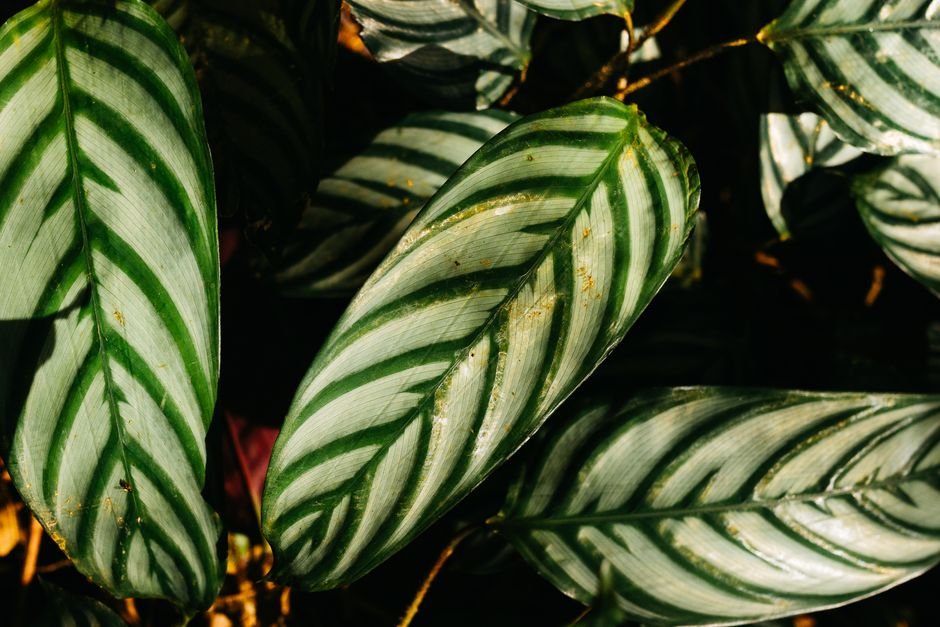

Welcome, fellow plant enthusiasts, to PlantsMag.com! As a senior horticulturist, I’m thrilled to guide you through the rewarding, yet sometimes challenging, world of Calathea care. Known for their breathtaking foliage and unique nocturnal leaf movements—often referred to as ‘prayer plants’ because their leaves fold up at night—Calatheas are a stunning addition to any indoor plant collection. While their beauty is undeniable, these tropical beauties do have specific needs that, once understood, make keeping them happy and vibrant a truly satisfying endeavor. This comprehensive Calathea care guide will equip you with the knowledge to cultivate healthy, thriving prayer plants in your home.
Understanding Calathea Light Requirements
Calatheas thrive in bright, indirect light. In their native rainforest habitat, they grow beneath the canopy, receiving filtered sunlight. Replicating this indoors is crucial. Place your Calathea near an east or north-facing window, where it can receive gentle morning light or consistent ambient brightness without direct sun exposure. Direct sunlight, especially harsh afternoon rays, can scorch their delicate leaves, leading to faded colors and crisp edges. If your home lacks sufficient natural light, a grow light can be a fantastic supplement. Look for full-spectrum LED grow lights, like those from Barrina or Monios-L, set to provide 10-12 hours of light daily, ensuring it’s not too intense or too close to the plant.
Signs of Improper Lighting
Observing your Calathea’s leaves can tell you a lot. If the vibrant patterns on the leaves appear faded or washed out, or if the leaves are curling inwards, it might be receiving too much direct light. Conversely, if new growth is leggy and the colors appear dull, your plant might be struggling with insufficient light. Adjust its placement accordingly, always prioritizing indirect, consistent brightness.
Optimizing Calathea Watering Techniques
Watering is perhaps the most critical aspect of Calathea care. These plants prefer consistently moist, but never soggy, soil. The ‘wait until the top inch of soil is dry’ rule applies perfectly here. Stick your finger into the soil or use a reliable soil moisture meter, like the XLUX T10, to gauge moisture levels. When it’s time to water, do so thoroughly until water drains from the bottom of the pot. Ensure your pot has drainage holes to prevent root rot. During winter months, when growth slows, you might need to water less frequently, but always check the soil first.
The Right Water Type for Calatheas
Calatheas are notoriously sensitive to chemicals found in tap water, particularly chlorine and fluoride. These can cause brown tips and edges on their leaves. For best results, use distilled water, rainwater, or filtered water. If using tap water is your only option, let it sit out in an open container for at least 24 hours to allow chlorine to dissipate. However, fluoride will remain, so using an alternative water source is highly recommended if browning tips persist.
Humidity: The Key to Thriving Calatheas
High humidity is non-negotiable for Calatheas. Hailing from tropical rainforests, they thrive in environments with 60-80% humidity. Dry air, common in most US homes, especially during winter with heating systems running, will quickly lead to crispy leaf edges and stunted growth. To boost humidity, consider placing your Calathea on a pebble tray filled with water (ensuring the pot isn’t sitting directly in the water). Grouping plants together can also create a microclimate. However, the most effective solution is a humidifier. Small, quiet humidifiers are readily available for around $30-$60 on Amazon and can make a dramatic difference in your Calathea’s health and appearance.
Ideal Soil and Potting for Calatheas
Calatheas require a well-draining, yet moisture-retentive, potting mix. A standard indoor potting mix enriched with additional amendments works wonders. A good blend typically consists of:
- 2 parts high-quality indoor potting mix (e.g., FoxFarm Ocean Forest or Espoma Organic Potting Mix)
- 1 part perlite or pumice for drainage
- 1 part coco coir or peat moss for moisture retention
This mix provides the aeration roots need while retaining enough moisture to keep the plant happy. Repot your Calathea every 1-2 years, or when it becomes root-bound, typically in spring. Choose a pot that is only one size larger than its current one to avoid overwatering issues.
Fertilizing and Pest Management for Healthy Prayer Plants
Calatheas are not heavy feeders. During the growing season (spring and summer), fertilize every 2-4 weeks with a balanced liquid houseplant fertilizer diluted to half strength. Many growers prefer organic options like Alaska Fish Emulsion or a balanced 5-5-5 liquid fertilizer. Always apply fertilizer to moist soil to prevent root burn. Discontinue fertilizing in fall and winter when the plant’s growth slows.
While generally resilient, Calatheas can attract common houseplant pests like spider mites, mealybugs, and thrips, especially in low-humidity environments. Regularly inspect the undersides of leaves. If you spot pests, isolate the plant and treat it promptly. For spider mites, increasing humidity and wiping leaves with a damp cloth can help. For more stubborn infestations, an organic insecticidal soap or neem oil spray, like Bonide’s Neem Oil, applied according to package directions, is usually effective. Ensure good air circulation around your plants to deter fungal issues.
Maintaining Optimal Temperature for Calatheas
Calatheas prefer consistent temperatures between 65-80°F (18-27°C). They are sensitive to cold drafts and sudden temperature fluctuations, which can cause leaf curl and stress. Avoid placing them near exterior doors, drafty windows, or air conditioning/heating vents. Maintaining a stable environment is key to their well-being, complementing their humidity needs perfectly.
Calathea Care Quick Reference Table
| Requirement | Ideal Conditions | Notes |
|---|---|---|
| Light | Bright, indirect | Avoid direct sun; east/north window preferred. Supplement with grow light if needed. |
| Water | Consistently moist; top inch dry | Use distilled/filtered water. Water thoroughly, ensure drainage. |
| Humidity | High (60-80%) | Use a humidifier, pebble tray, or group plants. Essential for healthy leaves. |
| Soil | Well-draining, moisture-retentive | Mix of potting soil, perlite, and coco coir/peat moss. |
| Temperature | 65-80°F (18-27°C) | Avoid drafts and sudden fluctuations. |
Frequently Asked Questions About Calathea Care
Why are my Calathea leaves curling?
Leaf curling is often a sign of insufficient humidity or underwatering. Check your soil moisture and consider increasing the ambient humidity around your plant with a humidifier or pebble tray. It can also be a sign of too much light, causing the plant to protect itself.
What causes brown tips and crispy edges on Calathea leaves?
This is almost always due to low humidity or sensitivity to chemicals in tap water (chlorine, fluoride). Ensure high humidity and switch to distilled, filtered, or rainwater for watering.
How often should I fertilize my Calathea?
During the growing season (spring and summer), fertilize every 2-4 weeks with a half-strength liquid houseplant fertilizer. Stop fertilizing in fall and winter.
Is my Calathea dying if its leaves aren’t moving (praying) at night?
Not necessarily. While healthy Calatheas typically exhibit nyctinasty (leaf movement), a lack of movement doesn’t immediately mean death. It could indicate stress from improper light, water, or temperature. Review your care routine, and the plant may resume its movements once conditions improve.
What type of soil is best for repotting a Calathea?
A well-draining yet moisture-retentive mix is ideal. A good blend is 2 parts quality potting mix, 1 part perlite/pumice, and 1 part coco coir/peat moss. This ensures proper aeration and moisture balance.
Conclusion
Caring for Calatheas, or prayer plants, truly is a journey of understanding and meeting their specific tropical needs. By providing consistent bright, indirect light, using the right watering techniques with appropriate water, maintaining high humidity, and utilizing a well-draining soil mix, you’ll be well on your way to enjoying these exquisite plants. Don’t be discouraged by initial challenges; with a little attention and the insights from this guide, your Calatheas will flourish, bringing a touch of the rainforest’s magic to your indoor space. Happy planting!