
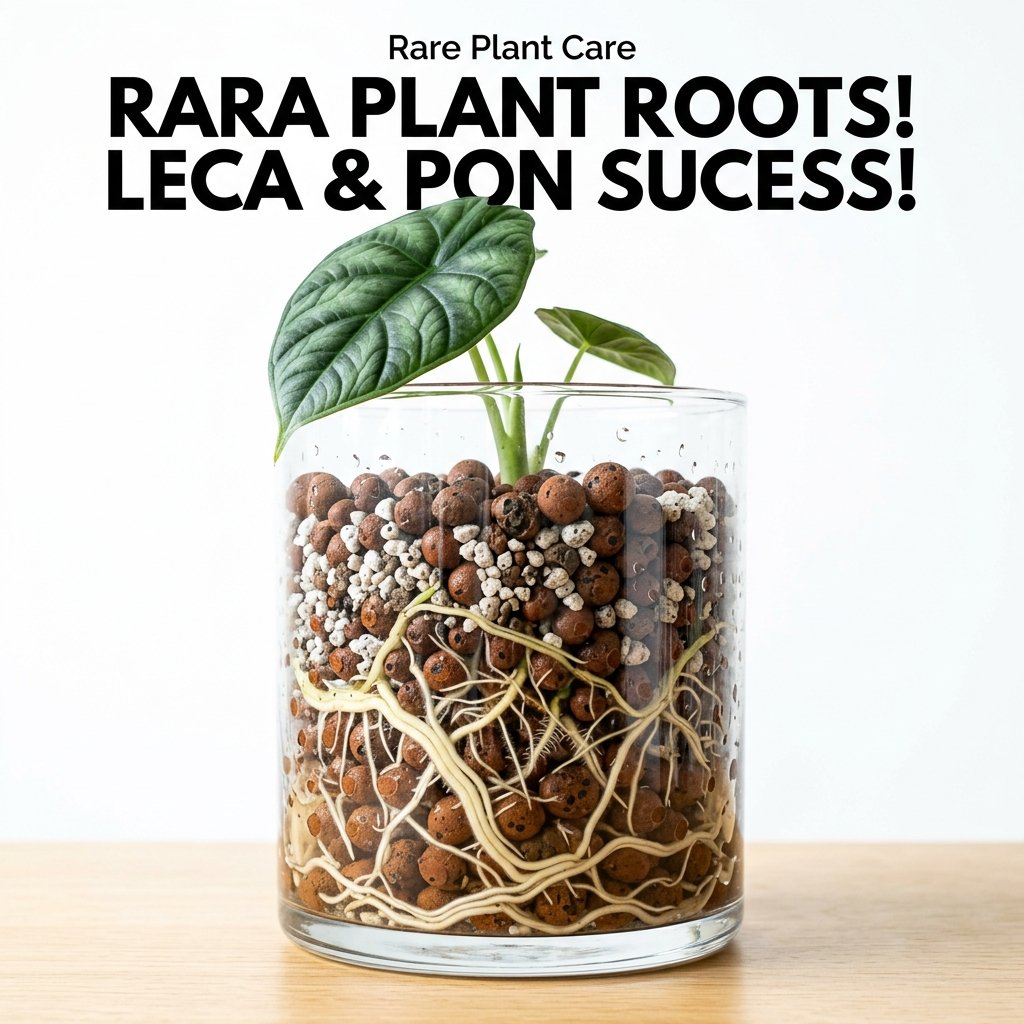

It is the most common diagnostic question in every plant clinic group: “Why are the leaves on my Scindapsus pictus completely curled into tight tubes?” The Silver Satin Pothos is uniquely dramatic, using its thick, velvety leaves to communicate complex physiological distress. Understanding the curl is the key to unlocking its massive trailing potential.
The Curling Defense Mechanism
When a Scindapsus curls its leaves inward, it is actively trying to reduce its surface area. The plant is essentially saying: “I am losing more water through evaporation than I am taking in through my roots, so I am rolling up my solar panels to stop the bleeding.”
The Big Three Triggers
- Classic Dehydration: The soil is bone dry.
- Root Rot: The soil is soaking wet, but the roots are dead, simulating drought.
- Cold Shock: The plant was exposed to a draft below 55°F.
Diagnosing the Roots
If the leaves are curled, the very first thing you MUST do is dig your finger into the soil.
Scenario A: The Soil is Bone Dry
Congratulations, this is the easiest fix in botany. The curling is a feature, not a bug! Scindapsus have thick, succulent-like leaves that store massive amounts of water. Advanced growers actually wait for the leaves to slightly curl before watering to guarantee they never experience root rot. Drench it, and the leaves will unfurl in 24 hours.
Scenario B: The Soil is Soaking Wet
This is a catastrophic failure. If the soil is muddy but the leaves are curled, the plant is drowning. The aggressive lack of oxygen in the wet mud has triggered an anaerobic bacterial bloom, melting the root system away entirely. The plant is dying of thirst while sitting in a lake. You must remove it from the pot immediately, cut away all brown, mushy roots, and re-propagate the healthy vines in water or sphagnum moss.
The Humidity Factor
If the roots are perfectly healthy and the watering is consistent, but the new leaves constantly emerge curled and never flatten out, you have a humidity crisis. Scindapsus (especially exotics like the Treubii Moonlight) develop their leaves tightly rolled. If the ambient air is bone dry (below 30% humidity), the leaf lacks the hydrostatic pressure to unstick itself and push flat.
You must elevate the humidity, and occasionally wipe the new, stuck leaves with a warm, damp cloth to help them break out of their shell.
What’s Your Next Step?
You have successfully diagnosed the primary symptoms. Now, you must choose the optimal path to correct the environmental variables. Your decision matrix is simple:
- <a href="https://plantsmag.com/the
Frequently Asked Questions
What are the best conditions for this plant?
Most houseplants thrive in bright, indirect light with temperatures between 65-80F (18-27C). Ensure good drainage and water when the top inch of soil feels dry.
How often should I water?
Watering frequency depends on the plant species, pot size, and environment. A general rule is to check the soil moisture before watering. Overwatering is the most common cause of houseplant death.
What soil mix works best?
A well-draining mix of peat moss, perlite, and orchid bark works well for most tropical houseplants. Succulents prefer a grittier mix with more sand and perlite.
Quick Care Reference
Factor Requirement Notes Light Bright indirect Avoid direct afternoon sun Water When top inch dry Reduce in winter Humidity 50-70% Mist or use pebble tray Temperature 65-80F (18-27C) Avoid cold drafts Soil Well-draining mix Peat, perlite, bark Fertilizer Monthly (spring-summer) Half-strength balanced