
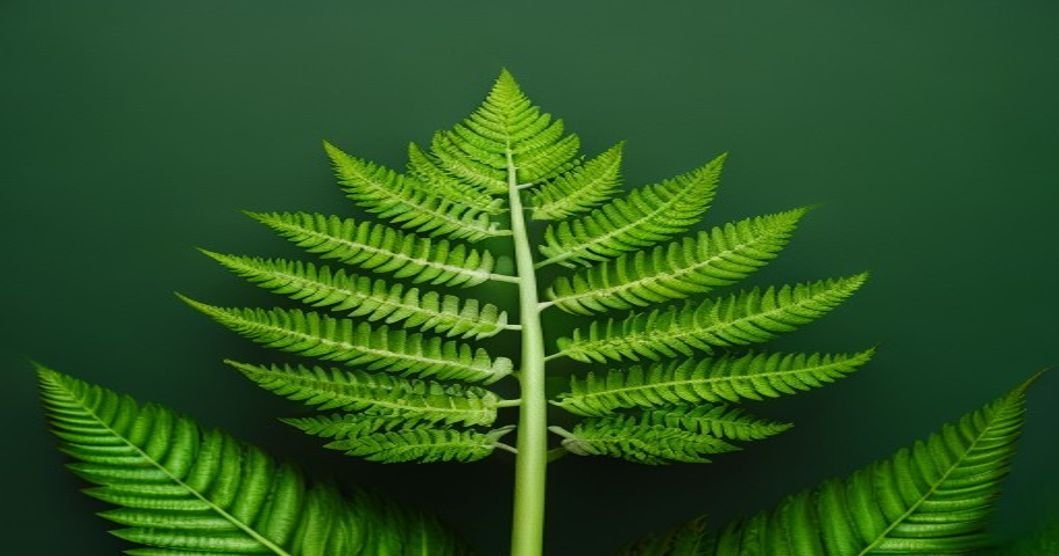

Every spring, massive, lush, perfect Boston Ferns hanging in plastic pots flood the garden centers. They look incredibly beautiful. You buy one, hang it in your living room, and within three weeks, your floor is covered in a million tiny, dead, brown leaflets. The fern becomes a bald, crispy skeleton. Why are ferns so notoriously impossible to keep alive indoors?
The Misunderstanding of Fern Biology
A Monstera or a Philodendron can handle your living room because they have thick, waxy cuticles designed to trap moisture inside their leaves. Ferns are ancient, prehistoric organisms. They predate the evolutionary invention of the waxy cuticle. Their leaves (fronds) are essentially naked. If the ambient humidity drops below 50%, the water is aggressively sucked directly out of the frond into the air, and the fern turns crispy instantly.
The Non-Negotiable Requirements
- No Direct Light: Ferns evolved on the deepest, darkest rainforest floors. Direct sunlight will bleach and burn the fronds in hours. They want intense, bright shade.
- Never Let Them Dry: If you wait for the top two inches of soil to dry out (like you would for a pothos), the fern will die. The soil must remain consistently, uniformly damp (like a rung-out sponge) at all times.
The Ultimate Care Hack: The Double Pot
Misting a fern does absolutely nothing but encourage fungal disease. If you want to keep a Boston fern lush without dedicating your life to watering it every two days, you must use the Self-Wicking Double Pot method.
Leave the fern in its ugly plastic nursery pot (which has massive drainage holes). Buy a decorative ceramic “cache” pot that is slightly larger. Place an inch of gravel or pebbles in the bottom of the ceramic pot, and add half an inch of water to the gravel. Place the plastic nursery pot on top of the gravel (ensuring the soil does not physically touch the water reservoir). This produces a continuous, powerful column of evaporated humidity that rises directly up through the center of the fern, preventing shedding permanently.
<div class='pm-retention-hook' style='background-color: #f8fafc; border-left: 4px solid #2A7B4C; padding: 20px; margin-top:
Frequently Asked Questions
What are the best conditions for this plant?
Most houseplants thrive in bright, indirect light with temperatures between 65-80F (18-27C). Ensure good drainage and water when the top inch of soil feels dry.
How often should I water?
Watering frequency depends on the plant species, pot size, and environment. A general rule is to check the soil moisture before watering. Overwatering is the most common cause of houseplant death.
What soil mix works best?
A well-draining mix of peat moss, perlite, and orchid bark works well for most tropical houseplants. Succulents prefer a grittier mix with more sand and perlite.
Quick Care Reference
| Factor | Requirement | Notes |
|---|---|---|
| Light | Bright indirect | Avoid direct afternoon sun |
| Water | When top inch dry | Reduce in winter |
| Humidity | 50-70% | Mist or use pebble tray |
| Temperature | 65-80F (18-27C) | Avoid cold drafts |
| Soil | Well-draining mix | Peat, perlite, bark |
| Fertilizer | Monthly (spring-summer) | Half-strength balanced |
Pro Tips for Thriving Boston Ferns (EEAT Insights)
Beyond the basics, these experience-based insights will elevate your Boston Fern care to an expert level:
The “Weight Test” for Watering Precision
Forget relying solely on surface soil dryness. Develop a tactile understanding of your fern’s hydration needs by regularly lifting its pot. A fully watered fern will feel significantly heavier than one that’s critically dry. Over time, this intuitive “weight test” becomes an invaluable tool, preventing both root-rot-inducing overwatering and crispy-frond-causing underwatering, especially for larger specimens where surface moisture can be misleading.
Microclimate Mastery for Optimal Humidity
While general room humidity is important, creating localized microclimates can make a profound difference. Group your Boston Fern with other humidity-loving plants, utilize a pebble tray filled with water (ensuring the pot doesn’t sit directly in the water), or strategically place a small, dedicated humidifier nearby. For ferns struggling in exceptionally arid environments, a temporary clear plastic dome or a dedicated plant cabinet can provide a therapeutic, high-humidity chamber.
Decoding Frond Signals Beyond Basic Thirst
Learn to interpret your fern’s subtle visual cues. Yellowing lower fronds, if not due to old age, often signal a nutrient deficiency (e.g., magnesium deficiency, which can sometimes be remedied with a weak Epsom salt solution). Brown, crispy frond tips with otherwise moist soil almost universally point to *insufficient humidity*, not lack of water. Pale, washed-out green fronds suggest too much direct light. Mastering these distinctions allows for targeted, effective interventions.
Frequently Asked Questions About Boston Ferns