
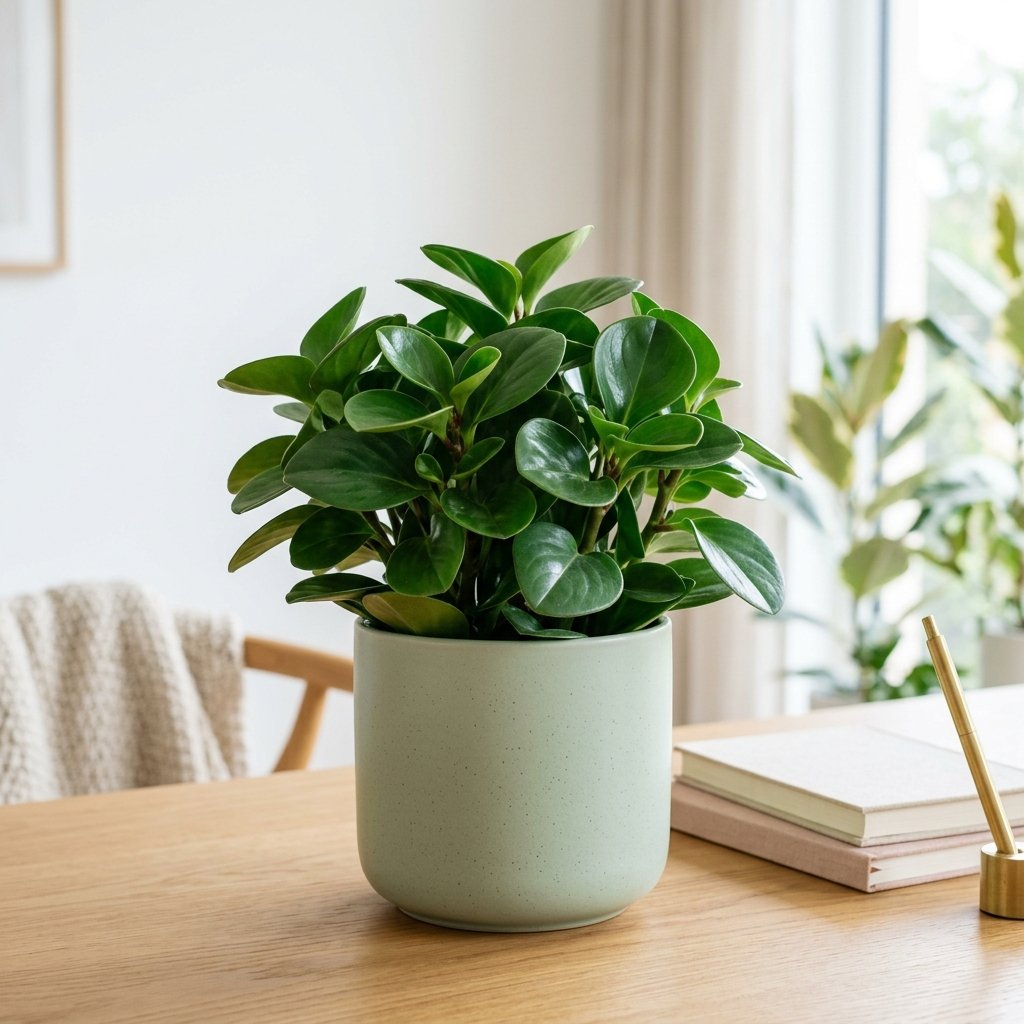

The Variegated String of Hearts (Ceropegia woodii variegata) is arguably the crown jewel of trailing succulents. When grown perfectly, it cascades several feet down a bookshelf, producing hundreds of tiny, heart-shaped leaves colored in stark white, cream, and brilliant cotton-candy pink. But for most beginners, the hearts stay green, the vines become sparse, and the roots rot away completely in a month.
The Succulent Reality
The most fatal mistake is treating the String of Hearts like a tropical Pothos vine. It is a true succulent from South Africa. It possesses thick, fleshy leaves and a massive underground potato-like tuber (caudex) explicitly designed to hoard water to survive brutal droughts. If you water this plant on a schedule, it will explode from edema and rot.
The Taco Test (Redux)
You must ignore the soil entirely. Locate one of the larger, mature hearts near the dirt line. Gently try to pinch the sides of the heart together like a taco shell. If the leaf is rigid and refuses to bend, it is totally full of water. Do NOT water it. If the leaf is soft, pliable, and folds easily, the caudex is empty. Drench the pot immediately.
Forcing the Pink (Sun Stressing)
If your VSOH is healthy but strictly green and white, it is craving light. The vibrant pink color is actually a protective pigment (anthocyanin) that the plant produces to protect its white, non-photosynthetic tissue from intense sunlight. To activate the pink, the top of the pot must bathe in direct, harsh morning sunlight for at least 4 hours a day, or sit inches under a powerful LED grow light. The more light it receives, the more violently pink the “hearts” will glow.
What’s Your Next Step?
You have successfully optimized your Variegated String of Hearts for vibrant pink coloration. However, successful plant care is a system of interconnected knowledge. A failure in one area can undermine success in another. Analyze your current strategy with these critical questions:
- Are you unknowingly spending money on the single most
Frequently Asked Questions
What are the best conditions for this plant?
Most houseplants thrive in bright, indirect light with temperatures between 65-80F (18-27C). Ensure good drainage and water when the top inch of soil feels dry.
How often should I water?
Watering frequency depends on the plant species, pot size, and environment. A general rule is to check the soil moisture before watering. Overwatering is the most common cause of houseplant death.
What soil mix works best?
A well-draining mix of peat moss, perlite, and orchid bark works well for most tropical houseplants. Succulents prefer a grittier mix with more sand and perlite.
Quick Care Reference
Factor Requirement Notes Light Bright indirect Avoid direct afternoon sun Water When top inch dry Reduce in winter Humidity 50-70% Mist or use pebble tray Temperature 65-80F (18-27C) Avoid cold drafts Soil Well-draining mix Peat, perlite, bark Fertilizer Monthly (spring-summer) Half-strength balanced