
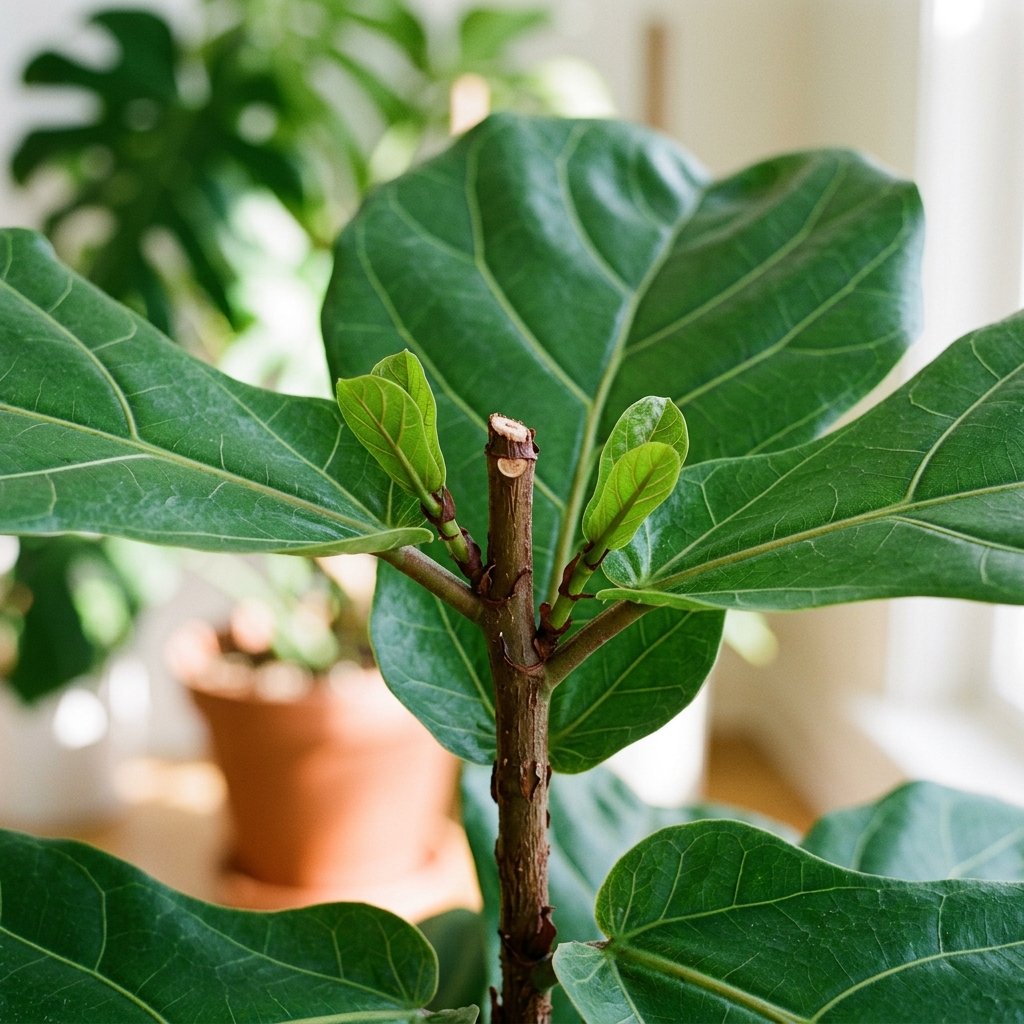

You paid $300 for a heavily variegated, stunning Monstera Albo cutting. It grows beautifully for a year, but suddenly, the newest leaf emerges completely, solidly, irreversibly green. The next leaf is also completely green. Your prized Albo is “reverting,” and if you don’t act immediately with aggressive pruning, you will permanently lose the white genetics.
The Science of Reversion
Variegation in plants like the Monstera Albo is a genetic mutation (a “chimeric” mutation) where certain cells simply forget how to produce chlorophyll. The plant hates this. White tissue cannot photosynthesize; it is dead weight. If the plant feels it is not getting enough light to survive, it will strategically abandon the mutation and revert to solid green to maximize its solar panel efficiency.
The Chop and Prop Protocol
Once a stem goes fully green, it will never produce a white leaf again. You cannot reverse a solid green stem. The only cure is amputation.
- Locate the Last Variegated Node: Look down the stem to find the last leaf that had good white marbling.
- The Cut: Take sterilized shears and completely cut the top of the plant off, roughly one inch above the last variegated node. You are effectively forcing the plant to activate a dormant “eye” (growth point) that still contains the mutant white genetics.
- Maximize Light: Place the newly chopped plant under extremely bright, full-spectrum LED grow lights. The intense light will signal to the plant that it has enough energy to afford the “luxury” of producing white, non-photosynthetic tissue again.
<div class='pm-retention-hook' style='background-color: #f8fafc; border-left: 4px solid #
Frequently Asked Questions
What are the best conditions for this plant?
Most houseplants thrive in bright, indirect light with temperatures between 65-80F (18-27C). Ensure good drainage and water when the top inch of soil feels dry.
How often should I water?
Watering frequency depends on the plant species, pot size, and environment. A general rule is to check the soil moisture before watering. Overwatering is the most common cause of houseplant death.
What soil mix works best?
A well-draining mix of peat moss, perlite, and orchid bark works well for most tropical houseplants. Succulents prefer a grittier mix with more sand and perlite.
Quick Care Reference
| Factor | Requirement | Notes |
|---|---|---|
| Light | Bright indirect | Avoid direct afternoon sun |
| Water | When top inch dry | Reduce in winter |
| Humidity | 50-70% | Mist or use pebble tray |
| Temperature | 65-80F (18-27C) | Avoid cold drafts |
| Soil | Well-draining mix | Peat, perlite, bark |
| Fertilizer | Monthly (spring-summer) | Half-strength balanced |