
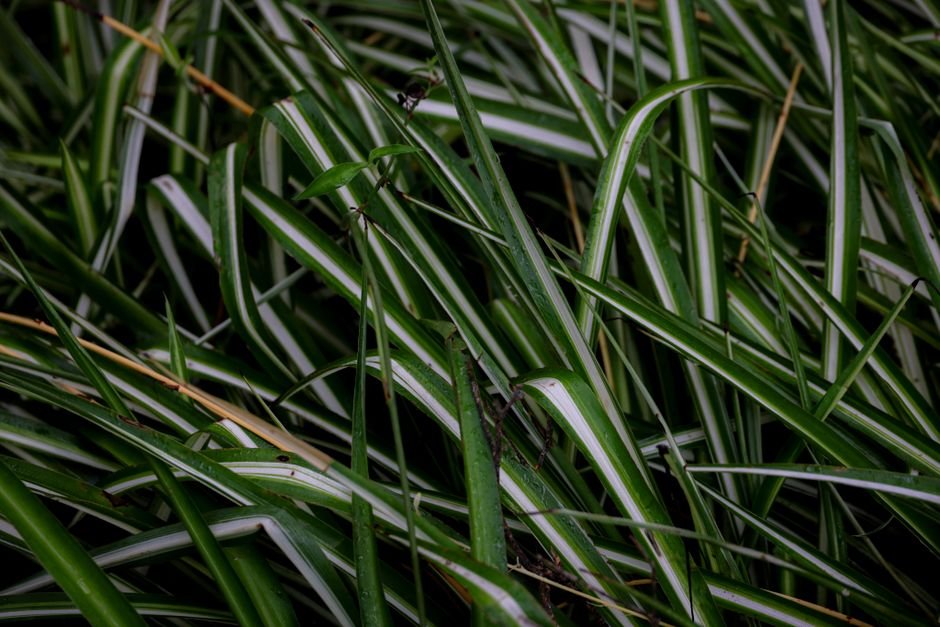

As a senior plant journalist and dedicated SEO strategist for PlantsMag.com, I’ve seen countless plant trends come and go, but one common frustration remains evergreen for US plant enthusiasts: the dreaded spider plant brown tips. This week, we’re seeing a surge in searches and articles, like the one from Better Homes & Gardens, tackling this very issue. It’s a clear sign that while spider plants (Chlorophytum comosum) are celebrated for their resilience and ease of care, those crispy brown edges can leave even seasoned green thumbs scratching their heads.
Considered a classic houseplant, beloved for its air-purifying qualities and charming “spiderettes,” a spider plant with browning leaf tips isn’t just an aesthetic problem; it’s your plant trying to tell you something. Don’t worry, diagnosing and fixing the issue is often simpler than you think. Let’s dive deep into the most common culprits and arm you with the actionable advice needed to restore your spider plant to its lush, vibrant glory.
The Water Woes: Underwatering vs. Overwatering & Tap Water Troubles
Watering is arguably the most critical aspect of houseplant care, and it’s a frequent source of brown tips. Both too much and too little water can stress your spider plant, leading to those unsightly crispy edges. Underwatering causes the plant to dry out excessively, leading to desiccated leaf tissue. Conversely, overwatering can lead to root rot, which impairs the plant’s ability to absorb water and nutrients, paradoxically causing similar symptoms.
The quality of your water also plays a significant role. Spider plants are particularly sensitive to the chemicals commonly found in municipal tap water, especially fluoride and chlorine. These can accumulate in the soil over time, leading to toxicity that manifests as brown tips and overall plant decline. If you notice your plant developing brown tips despite consistent watering, your tap water might be the silent culprit.
The Perils of Tap Water: Fluoride and Chlorine Sensitivity
Many US cities treat their water with fluoride and chlorine, which are beneficial for human health but detrimental to sensitive plants like spider plants. Fluoride toxicity often presents as browning or yellowing along the leaf margins, gradually spreading inward. Chlorine can also contribute to leaf tip burn. The good news is, this is an easy fix. Consider using filtered water (a Brita filter pitcher works wonders for smaller plants), distilled water, or collected rainwater. If those aren’t feasible, simply let tap water sit out in an open container for 24-48 hours before watering; this allows much of the chlorine to dissipate. Some plant enthusiasts even invest in an affordable water filter attachment for their hose or sink.
Humidity Hurdles: Why Dry Air is a Spider Plant’s Foe
Originating from tropical and subtropical regions, spider plants thrive in environments with higher humidity. Unfortunately, most US homes, especially during winter months with central heating or in arid summer climates with air conditioning, tend to have very low humidity levels. This dry air can cause the moisture to evaporate too quickly from the leaves, particularly from the tips, leading to them drying out and turning brown. It’s a common issue that often goes overlooked.
Addressing low humidity can significantly improve your spider plant’s health. While misting provides only a temporary boost, more consistent solutions are often needed. Grouping plants together can create a localized humid microclimate, as plants release moisture through transpiration. Placing your spider plant on a pebble tray filled with water (ensuring the pot doesn’t sit directly in the water) is another effective method. For more significant humidity boosts, especially in larger spaces, a small room humidifier from brands like Levoit or Honeywell can make a world of difference, benefiting not just your spider plant but many other houseplants too.
Nutritional Niggles: Fertilizer Burn and Soil Health
While spider plants do need nutrients to thrive, too much of a good thing can quickly turn bad. Over-fertilization is a common cause of brown tips, often referred to as “fertilizer burn.” Excess salts from fertilizers can build up in the soil, drawing moisture out of the plant’s roots and causing the leaf tips to scorch and turn brown. You might even see a white crust forming on the soil surface, indicating salt accumulation.
Beyond fertilization, the overall health of your potting mix is crucial. Old, compacted soil can restrict root growth and impede proper drainage and aeration, leading to nutrient deficiencies or waterlogging. A healthy, well-draining soil mix is foundational for your spider plant’s well-being.
When to Repot: Giving Your Roots Room to Breathe
Spider plants are vigorous growers, and they can quickly become root-bound in their pots. When roots have no more room to expand, they can’t effectively absorb water and nutrients, leading to stunted growth and, you guessed it, brown tips. If you notice roots circling the pot, growing out of the drainage holes, or if your plant seems to dry out much faster than usual, it’s likely time to repot. Aim to repot your spider plant every 1-2 years into a pot that’s only one size larger (e.g., from a 6-inch to an 8-inch pot) using a fresh, well-draining potting mix. Look for mixes designed for houseplants, often containing perlite or coco coir for improved drainage and aeration. Brands like FoxFarm or Espoma offer excellent choices readily available at garden centers across the US.
Light Levels and Location: Finding the Sweet Spot
Spider plants prefer bright, indirect light. While they are adaptable, extremes in lighting can certainly cause brown tips. Too much direct sunlight, especially the harsh afternoon sun, can scorch their delicate leaves, causing them to turn brown, crispy, or even bleached white. This is often seen on the tips or edges of leaves facing the window. Conversely, insufficient light won’t directly cause brown tips but can lead to leggy growth, dull foliage, and a generally unhealthy plant that is more susceptible to other stressors.
The ideal placement for your spider plant is near an east or north-facing window, where it receives ample bright but gentle light. If you only have south or west-facing windows, place the plant a few feet back from the window or use sheer curtains to diffuse the intense light. For homes with limited natural light, especially during shorter winter days, an affordable LED grow light (like a Barrina T5 or Sansi bulb) can provide the necessary intensity without overheating, ensuring your spider plant continues to thrive and produce those adorable spiderettes.
“As renowned horticulturist Dr. Elaine Sterling often advises, ‘The secret to a thriving spider plant isn’t complexity, but consistency. Small, regular adjustments to its environment often yield the biggest rewards. Observe your plant daily; it will always tell you what it needs.'”
Pest Problems and Environmental Stressors
Though generally robust, spider plants aren’t entirely immune to pests or other environmental shocks. Pests like spider mites or mealybugs can weaken the plant, causing stress that sometimes manifests as browning tips, alongside other symptoms like sticky residue or webbing. Regularly inspect your plant’s leaves, especially the undersides, for any signs of unwelcome visitors. A gentle wipe with a damp cloth or a spray of insecticidal soap (available at most hardware stores or garden centers like Lowe’s or Home Depot) can often resolve minor infestations.
Sudden changes in temperature, cold drafts from windows or doors, or even physical damage (like being brushed against frequently) can also stress your plant and contribute to tip browning. Aim to keep your spider plant in a stable environment, away from direct drafts, and handle it gently. Remember, these plants are living beings, and a little TLC goes a long way.
Summary of Spider Plant Brown Tip Causes & Fixes
| Cause | Symptoms | Quick Fix |
|---|---|---|
| Underwatering | Dry, crispy tips; wilting; rapidly drying soil | Water thoroughly when top inch of soil is dry; ensure consistent watering schedule. |
| Tap Water Issues | Even browning, overall decline; no other obvious cause | Use filtered, distilled, or rainwater; let tap water sit out for 24-48 hours. |
| Low Humidity | Crispy tips, especially in dry seasons (winter heating, summer AC) | Use a humidifier, pebble tray, or group plants together. |
| Fertilizer Burn | Dark brown/black tips; white crust on soil; stunted growth | Flush soil with plain water; dilute fertilizer; fertilize only during growing season. |
| Root Bound | Stunted growth; rapid drying soil; roots visible from drainage holes | Repot into a slightly larger pot (1-2 inches wider) with fresh, well-draining potting mix. |
| Too Much Light | Scorched, bleached, or crispy tips on sun-exposed leaves | Move to a location with bright, indirect light; use sheer curtains to diffuse harsh sun. |
Frequently Asked Questions About Spider Plant Brown Tips
Can I cut off the brown tips on my spider plant?
Yes, absolutely! You can carefully trim away the brown tips using clean, sharp scissors. Cut along the natural shape of the leaf, leaving a very thin margin of brown if you’re worried about cutting into healthy green tissue. This won’t fix the underlying problem, but it will make your plant look much tidier while you implement the solutions discussed above.
How often should I water my spider plant?
There’s no one-size-fits-all answer, as it depends on your home’s environment (temperature, humidity, light) and pot size. A good rule of thumb is to water thoroughly when the top 1-2 inches of soil feel dry to the touch. This could be anywhere from once a week to every two weeks. Always ensure your pot has drainage holes to prevent waterlogging.
Is it normal for older leaves to brown and die?
A certain amount of natural senescence (aging and dying off of older leaves) is normal for any plant. If it’s just a few older, lower leaves turning yellow then brown and falling off, it’s usually nothing to worry about. However, widespread or rapid browning, especially on newer growth, indicates an environmental or care issue that needs attention.
What’s the best soil mix for spider plants?
Spider plants thrive in a well-draining, all-purpose potting mix. You can enhance drainage by mixing in perlite, coco coir, or coarse sand. A good ratio is about 2 parts potting mix to 1 part perlite/coco coir. This provides good aeration for the roots while retaining adequate moisture.
The Path to Lusher Leaves
Don’t let brown tips deter you from enjoying your spider plant. They are incredibly forgiving plants, and with a little detective work and a few adjustments, you can quickly get yours back on track. Remember, your spider plant is a living indicator of its environment. By paying attention to its cues and understanding the common causes of those crispy tips, you’ll not only solve the problem but also deepen your connection with your green companion. Here at PlantsMag.com, we believe every plant parent deserves success. Happy growing!