
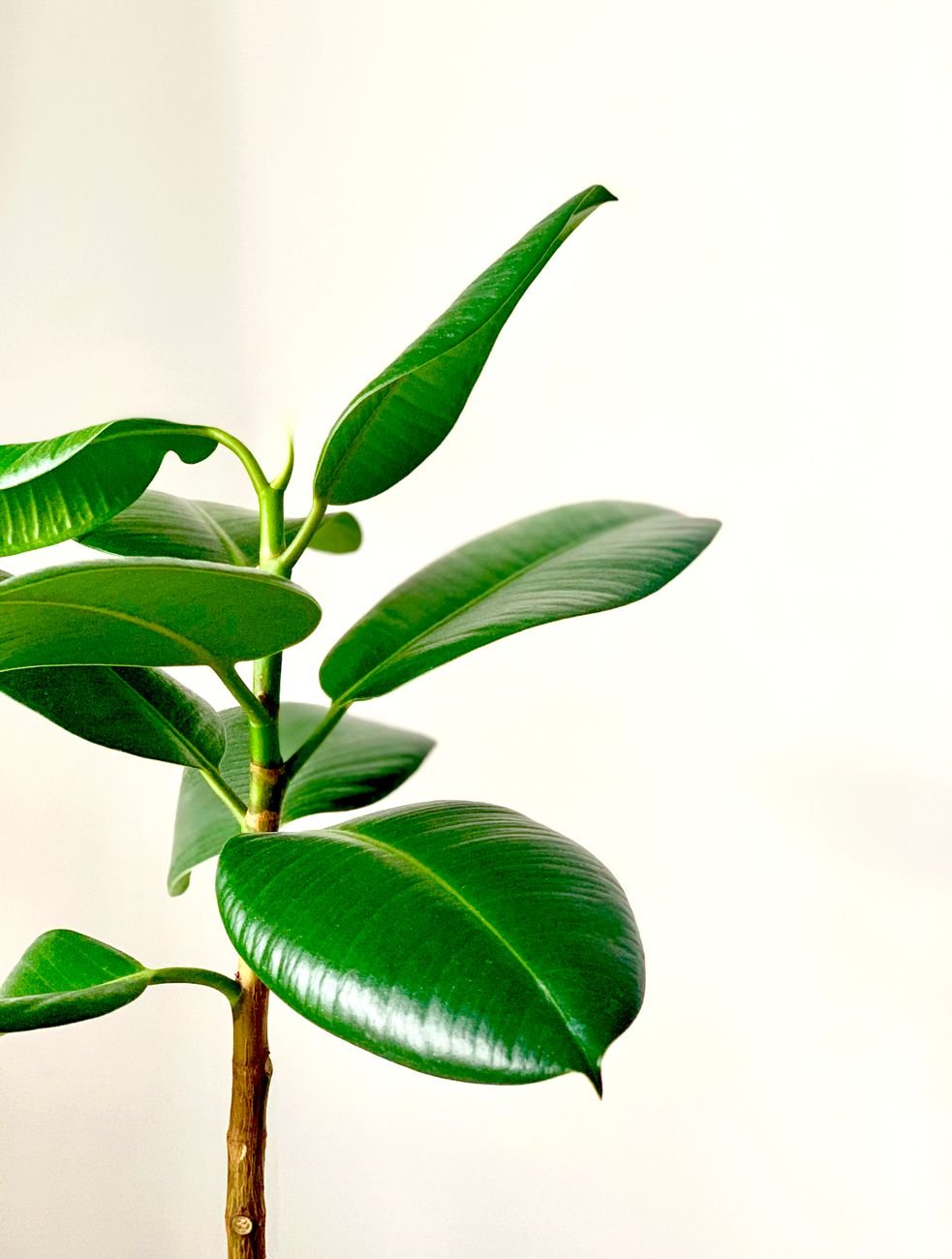

Rubber Plant Pruning: Sculpting Your Indoor Jungle Giant
Rubber plants (Ficus elastica) are beloved for their glossy, dramatic foliage and relatively easy care. However, to maintain their desired size and shape, and to encourage fuller growth, regular pruning is essential. This comprehensive guide will walk you through everything you need to know about pruning and shaping your rubber plant, ensuring it remains a stunning centerpiece in your home.
Why Prune Your Rubber Plant?
Pruning isn’t just about aesthetics; it’s vital for the overall health and vigor of your rubber plant. Here’s why you should regularly prune your Ficus elastica:
* Controlling Size: Rubber plants can grow quite large, potentially outgrowing their space. Pruning helps manage their height and width.
* Encouraging Bushier Growth: Pruning stimulates lateral bud growth, leading to a fuller, more branched-out plant.
* Removing Damaged or Diseased Foliage: Pruning away dead, yellowing, or diseased leaves prevents the spread of problems and improves the plant’s overall health.
* Shaping: Pruning allows you to sculpt your rubber plant into your desired form, creating a visually appealing focal point.
* Air Circulation: Removing dense foliage improves air circulation, reducing the risk of fungal diseases.
When to Prune Your Rubber Plant
The best time to prune your rubber plant is during its active growing season, which is typically in the spring or summer. This allows the plant to recover quickly and put out new growth. Avoid pruning in the fall or winter when the plant is dormant.
Tools You’ll Need
Before you begin pruning, gather the following tools:
* Sharp Pruning Shears or Scissors: Use clean, sharp tools to make precise cuts and prevent tearing the stems. We recommend a pair of bypass pruners for clean cuts.
* Gloves: Rubber plants produce a milky sap that can be irritating to the skin. Protect your hands with gloves.
* Clean Cloth or Paper Towels: To wipe away any sap that drips from the cuts.
* Rubbing Alcohol or Bleach Solution: To sterilize your pruning tools before and after use, preventing the spread of disease.
* Optional: A step stool or ladder if you’re pruning a tall plant.
Step-by-Step Guide to Pruning Your Rubber Plant
Follow these steps to prune your rubber plant effectively:
- Prepare Your Tools: Sterilize your pruning shears or scissors with rubbing alcohol or a diluted bleach solution (1 part bleach to 9 parts water).
- Assess Your Plant: Examine your rubber plant carefully. Identify any dead, damaged, or diseased leaves or branches that need to be removed. Decide on the overall shape you want to achieve.
- Make Your Cuts: Make clean, angled cuts just above a node (the point where a leaf or branch emerges from the stem). Cutting at an angle encourages new growth in the desired direction.
- Remove Dead or Damaged Foliage: Cut away any dead, yellowing, or brown leaves at the base of the leaf stem.
- Prune for Shape: If you want to control the height of your plant, cut the main stem back to your desired length. To encourage branching, prune back side branches.
- Control Sap Flow: After pruning, a milky sap will ooze from the cuts. Wipe away the sap with a clean cloth or paper towel to prevent it from dripping. You can also use a damp cloth to clean the leaves if they get sap on them.
- Dispose of Prunings: Dispose of the pruned leaves and branches properly. Do not compost diseased material.
- Care After Pruning: Water your rubber plant thoroughly after pruning. Avoid fertilizing for a few weeks to allow the plant to recover. Monitor your plant for new growth and adjust your care routine as needed.
Techniques for Shaping Your Rubber Plant
Here are some specific techniques for shaping your rubber plant:
* Encouraging Branching: To encourage your rubber plant to branch out, pinch off the top bud of the main stem or side branches. This will stimulate the growth of lateral buds, resulting in a fuller, bushier plant. You can also use a stake to guide the new growth in the direction you want it to go.
* Creating a Tree-Like Shape: To create a tree-like shape, remove the lower leaves and branches from the main stem, leaving a bare trunk. This will give your rubber plant a more elegant and formal appearance.
* Maintaining a Compact Shape: To maintain a compact shape, prune back any long or unruly branches. You can also use a small pot to restrict the plant’s growth. Regular pruning is key to maintaining a tidy appearance.
Rubber Plant Varieties and Pruning Considerations
Different varieties of rubber plants may have slightly different growth habits and pruning needs. Here’s a look at some popular varieties and how to prune them:
| Variety | Leaf Color | Growth Habit | Pruning Considerations |
|---|---|---|---|
| Ficus elastica ‘Burgundy’ | Dark burgundy | Upright, tree-like | Prune to maintain shape and control height. |
| Ficus elastica ‘Variegata’ | Green and cream | Upright, slightly slower growth | Prune to remove any branches that revert to solid green. |
| Ficus elastica ‘Ruby’ | Green, pink, and cream | Upright, colorful foliage | Prune to maintain shape and encourage vibrant color. Provide bright, indirect light for best coloration. |
| Ficus elastica ‘Melany’ | Dark green, compact | Bushier, more compact | Prune to maintain shape and prevent overcrowding. A great option for smaller spaces. |
Remember to adjust your pruning approach based on the specific variety of your rubber plant.
Troubleshooting Common Pruning Issues
* Excessive Sap: If your rubber plant is producing a lot of sap after pruning, don’t worry. This is normal. Simply wipe away the sap with a clean cloth or paper towel. You can also dust the cut end with cinnamon, which acts as a natural sealant and antifungal agent.
* Lack of New Growth: If your rubber plant isn’t putting out new growth after pruning, it may not be getting enough light or nutrients. Ensure your plant is in a bright, indirect light location and fertilize it regularly during the growing season with a balanced liquid fertilizer. You can also check the soil moisture with a moisture meter to ensure you’re not over- or under-watering. Consider using a well-draining potting mix specifically formulated for ficus plants. A high-quality potting mix can promote healthy root growth and nutrient uptake.
* Disease After Pruning: If your rubber plant develops signs of disease after pruning, such as leaf spots or stem rot, treat it with an appropriate fungicide. Always sterilize your pruning tools before and after each use to prevent the spread of disease.
Essential Care Tips for a Thriving Rubber Plant
Beyond pruning, providing proper care is crucial for your rubber plant’s health and beauty. Here are some essential care tips:
* Light: Rubber plants thrive in bright, indirect light. Avoid direct sunlight, which can scorch the leaves. If you don’t have enough natural light, consider using a grow light to supplement.
* Water: Water your rubber plant when the top inch of soil is dry to the touch. Avoid overwatering, which can lead to root rot. Ensure your pot has drainage holes.
* Humidity: Rubber plants prefer moderate to high humidity. You can increase humidity by misting the leaves regularly, placing the plant on a pebble tray filled with water, or using a humidifier.
* Temperature: Rubber plants prefer temperatures between 60°F and 75°F (15°C and 24°C). Avoid placing them near drafts or heating vents.
* Fertilizer: Fertilize your rubber plant every 2-4 weeks during the growing season with a balanced liquid fertilizer. Reduce or stop fertilizing during the dormant season.
* Repotting: Repot your rubber plant every 1-2 years, or when it becomes root-bound. Choose a pot that is slightly larger than the previous one and use a well-draining potting mix.
* Cleaning: Wipe the leaves of your rubber plant regularly with a damp cloth to remove dust and debris. This will help the plant absorb light more efficiently.
By following these pruning and care tips, you can ensure that your rubber plant remains a healthy, vibrant, and beautiful addition to your indoor jungle. Consider supplementing your care routine with a self-watering pot to help maintain consistent moisture levels, especially if you tend to forget to water regularly. Remember to monitor your plant regularly for any signs of pests or diseases, and take action promptly to prevent problems from spreading.
Frequently Asked Questions (FAQ)
How often should I prune my rubber plant?
You should prune your rubber plant as needed to maintain its desired size and shape. Typically, pruning once or twice a year during the growing season is sufficient.
What do I do if my rubber plant is losing leaves?
Leaf loss can be caused by several factors, including overwatering, underwatering, lack of light, or sudden changes in temperature. Assess your plant’s environment and care routine and make adjustments as needed.
Can I propagate rubber plant cuttings?
Yes, you can propagate rubber plant cuttings. Take a stem cutting with a few leaves and place it in water or directly into moist potting mix. Keep the cutting in a warm, humid environment until it develops roots.
Is rubber plant sap toxic to pets?
Yes, rubber plant sap is considered toxic to pets. Keep your rubber plant out of reach of pets and children, and wash your hands thoroughly after handling the plant.
My rubber plant has white spots on its leaves. What are they?
White spots on rubber plant leaves can be caused by several factors, including hard water, mineral buildup, or pests like mealybugs. Wipe the leaves with a damp cloth and check for signs of pests. If the spots persist, consider using distilled water or rainwater for watering.