
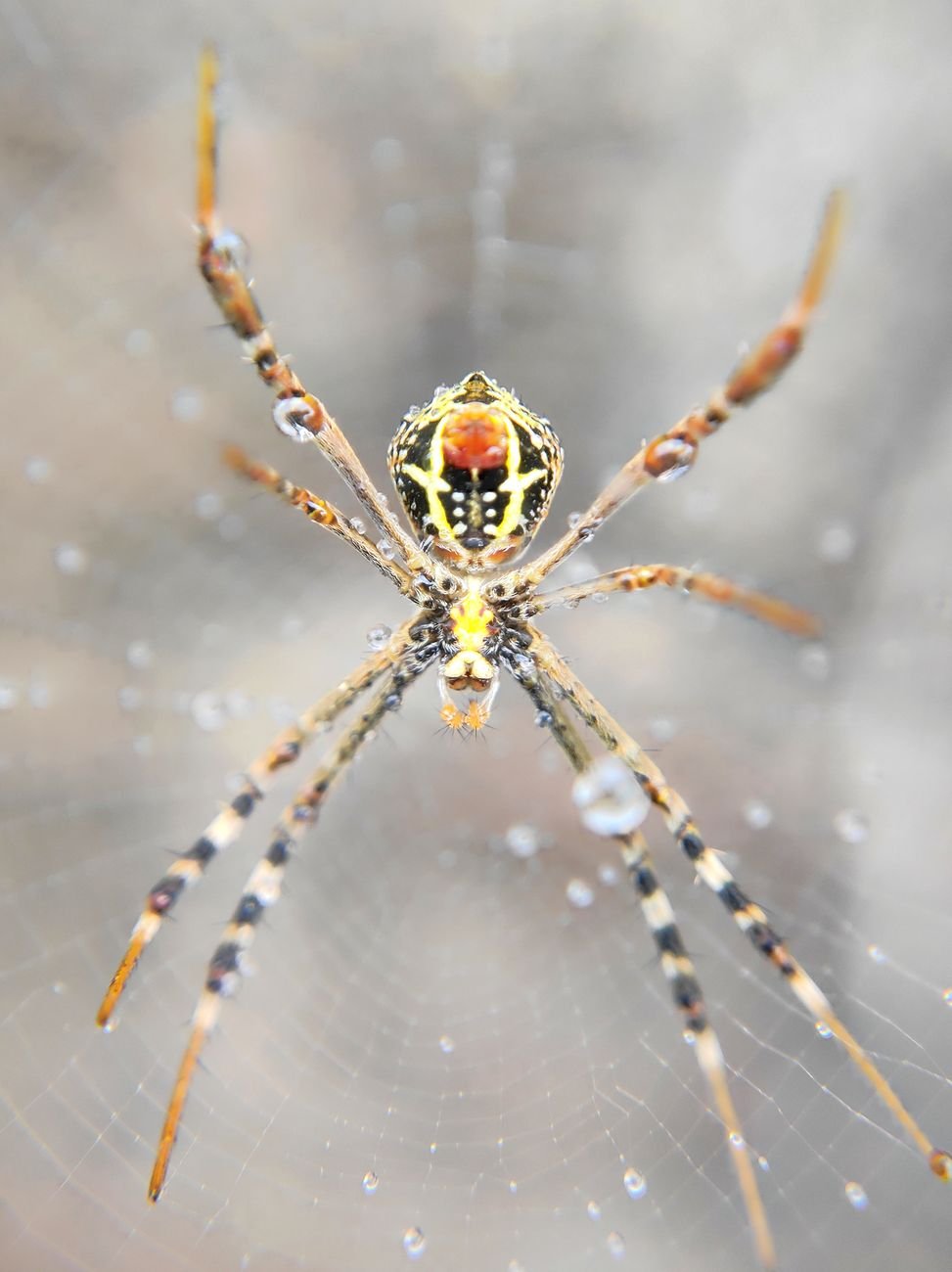

Spider Mites on Houseplants: A Comprehensive Guide for US Plant Lovers
Spider mites are a common and frustrating pest for indoor gardeners. These tiny arachnids can wreak havoc on your beloved houseplants, sucking the life out of them and leaving them looking sickly. But don’t despair! With the right knowledge and proactive approach, you can identify, treat, and prevent spider mite infestations, keeping your green companions healthy and vibrant.
What are Spider Mites?
Spider mites are not insects; they are actually arachnids, closely related to spiders and ticks. They are incredibly small, often less than 1/50th of an inch long, making them difficult to see with the naked eye. They thrive in warm, dry environments, which is why they often become a problem in homes during the winter months when humidity levels are low. These pests feed by piercing plant cells and sucking out the sap, causing damage that can weaken and even kill your plants.
Identifying Spider Mites on Your Houseplants
Early detection is key to successfully controlling spider mites. Here’s what to look for:
Signs of Spider Mite Infestation
* **Fine webbing:** This is the most obvious sign. Look for delicate webs on the undersides of leaves, between stems, and around the plant’s joints. Heavy infestations can cover entire plants in webbing.
* **Stippling:** Small, light-colored spots on the leaves, caused by the mites feeding. This stippling can give the leaves a mottled or speckled appearance. The stippling is usually more visible on the upper surface of the leaves.
* **Discoloration:** As the infestation progresses, leaves may turn yellow, brown, or bronze. Severely damaged leaves may eventually drop off.
* **Slowed growth:** Infested plants may exhibit stunted growth or produce fewer new leaves.
* **Visible mites:** If you look closely, you may be able to see the tiny mites themselves. They appear as tiny moving dots, often on the undersides of leaves. Use a magnifying glass for a better view.
* **Debris:** Small black or brown dots may be present on the leaves, which is the mite’s excrement.
Where to Look for Spider Mites
Spider mites prefer the undersides of leaves, where they are protected from sunlight and predators. Inspect these areas carefully, especially along the veins. Also, check between stems and leaves, and in the crevices of the plant. Plants with fine, delicate foliage are particularly susceptible. Regularly inspect plants that are known to be spider mite magnets.
Common Houseplants Prone to Spider Mites
While spider mites can infest almost any houseplant, some are more susceptible than others. Here’s a list of common culprits:
* **Calathea:** These plants require high humidity, making them susceptible when conditions are dry. A good **moisture meter** can help you maintain the correct soil moisture and humidity levels.
* **Alocasia:** Similar to Calathea, Alocasia plants thrive in humid environments and are prone to spider mite infestations when humidity is low.
* **Ficus:** Particularly susceptible, especially Ficus benjamina (weeping fig).
* **Dracaena:** Including varieties like Dracaena marginata and Dracaena fragrans (corn plant).
* **Ivy (Hedera helix):** A favorite among spider mites.
* **Rosemary:** An herb often grown indoors that is highly susceptible.
Treating Spider Mites on Houseplants
Once you’ve identified a spider mite infestation, it’s time to take action. Here’s a step-by-step guide to treating your plants:
- **Isolate the infested plant:** Immediately move the affected plant away from other houseplants to prevent the mites from spreading.
- **Wipe down the plant:** Use a damp cloth or sponge to wipe down the leaves, stems, and any other affected areas. This will physically remove many of the mites.
- **Shower or spray the plant:** Take the plant to your shower or sink and spray it thoroughly with water, focusing on the undersides of the leaves. This will dislodge more mites and disrupt their feeding. Repeat this every few days.
- **Increase humidity:** Spider mites thrive in dry environments. Increase the humidity around your plants by using a humidifier, grouping plants together, or placing them on a tray filled with pebbles and water. Ensure the pot isn’t sitting directly in the water.
- **Apply insecticidal soap or neem oil:** These are effective and relatively safe options for controlling spider mites. Follow the product instructions carefully. Reapply every 7-10 days until the infestation is gone. A quality **neem oil** product can be found easily online.
- **Consider predatory mites:** For a more natural approach, introduce predatory mites (like *Phytoseiulus persimilis*) that feed on spider mites. You can purchase these online or from a garden supply store.
- **Prune heavily infested areas:** If some leaves or stems are heavily infested and damaged, prune them off to prevent the mites from spreading further.
- **Monitor the plant closely:** After treatment, monitor the plant closely for any signs of re-infestation. Continue treatment as needed until the mites are completely gone.
Insecticidal Soap vs. Neem Oil: Which is Best?
Both insecticidal soap and neem oil are effective treatments for spider mites, but they work in different ways and have different pros and cons.
| Feature | Insecticidal Soap | Neem Oil |
|---|---|---|
| Mode of Action | Disrupts the outer layer of insects, causing dehydration and death. | Suffocates insects and disrupts their hormone system, preventing them from molting and reproducing. Also has antifungal properties. |
| Effectiveness | Effective against soft-bodied insects like spider mites, aphids, and whiteflies. | Effective against a wide range of pests, including spider mites, aphids, whiteflies, scale, and mealybugs. |
| Safety | Relatively safe for plants and pets when used as directed. May cause leaf burn in some sensitive plants. | Relatively safe for plants and pets when used as directed. Can be phytotoxic to some plants, especially in direct sunlight. |
| Application | Must be applied directly to the pests to be effective. | Can be applied as a foliar spray or soil drench. |
| Residual Effect | Little to no residual effect. | Offers some residual protection. |
Choose the treatment that best suits your needs and the specific plant you are treating. Always test a small area of the plant before applying the treatment to the entire plant.
Preventing Spider Mites on Houseplants
Prevention is always better than cure. Here are some tips for preventing spider mite infestations in the first place:
Maintaining Optimal Growing Conditions
* **Maintain high humidity:** Spider mites thrive in dry conditions. Increase humidity around your plants by using a humidifier, grouping plants together, or placing them on a pebble tray. Aim for a humidity level of 40-60%. A reliable **humidity monitor** can help you keep track.
* **Provide adequate light:** Healthy plants are more resistant to pests. Ensure your plants are getting enough light by placing them near a sunny window or using **grow lights**. Different plants have different light requirements. Learn the specific needs of each plant in your collection.
* **Water properly:** Overwatering or underwatering can stress plants and make them more susceptible to pests. Water your plants when the top inch of soil feels dry. A **soil moisture meter** is invaluable for knowing when to water.
* **Fertilize regularly:** Proper fertilization provides plants with the nutrients they need to stay healthy and resist pests. Use a balanced fertilizer according to the manufacturer’s instructions.
* **Use quality soil:** A well-draining soil mix will promote healthy root growth and prevent root rot, making your plants more resistant to pests. Consider using a specialized **houseplant soil mix** for optimal results.
Regular Inspection and Cleaning
* **Inspect plants regularly:** Check your plants regularly for signs of spider mites or other pests. Pay close attention to the undersides of leaves.
* **Wipe down leaves:** Regularly wipe down the leaves of your plants with a damp cloth to remove dust and potential pests. This also helps the plant to photosynthesize more efficiently.
* **Quarantine new plants:** Before introducing a new plant to your collection, quarantine it for several weeks to make sure it is pest-free. This will prevent any potential infestations from spreading to your other plants.
Beneficial Insects and Natural Repellents
* **Encourage beneficial insects:** Attract beneficial insects to your home garden that prey on spider mites, such as ladybugs and lacewings. You can purchase these insects online or from a garden supply store.
* **Use natural repellents:** Some natural repellents, such as garlic spray or rosemary oil, can help deter spider mites. Apply these repellents regularly to your plants.
By following these tips, you can create a healthy environment for your houseplants and prevent spider mites from becoming a problem. Remember, consistent care and vigilance are the keys to success!
Looking for the perfect container for your thriving, spider-mite-free plants? Check out our selection of stylish decorative pots.
Interested in learning about other common houseplant pests? Read our guide on Identifying and Treating Mealybugs.
Want to propagate your healthy plants? Learn how in our article on Houseplant Propagation Techniques.
Frequently Asked Questions (FAQ)
How can I tell the difference between spider mites and dust?
Spider mites are tiny, moving creatures, while dust is simply inert particles. Spider mites will also typically be accompanied by webbing or stippling on the leaves.
Are spider mites harmful to humans or pets?
Spider mites are not directly harmful to humans or pets. They do not bite or transmit diseases. However, some people may be allergic to spider mite droppings.
Can I use dish soap to treat spider mites?
Yes, you can use a diluted solution of mild dish soap (1-2 teaspoons per gallon of water) to treat spider mites. However, be careful not to use too much soap, as it can damage the plant. Rinse the plant thoroughly after applying the soap solution.
How long does it take to get rid of spider mites?
The time it takes to get rid of spider mites depends on the severity of the infestation and the treatment method used. With consistent treatment, it may take several weeks to completely eradicate the mites.
Do spider mites live in the soil?
Spider mites primarily live on the leaves and stems of plants. While they may occasionally venture into the soil, they do not typically live there.
Can I prevent spider mites by wiping the leaves with alcohol?
Yes, wiping the leaves with diluted isopropyl alcohol (70% concentration) can help to kill spider mites. However, be careful not to use too much alcohol, as it can damage the plant. Test a small area of the plant before applying alcohol to the entire plant. This is best used as a supplementary treatment rather than the primary solution.