
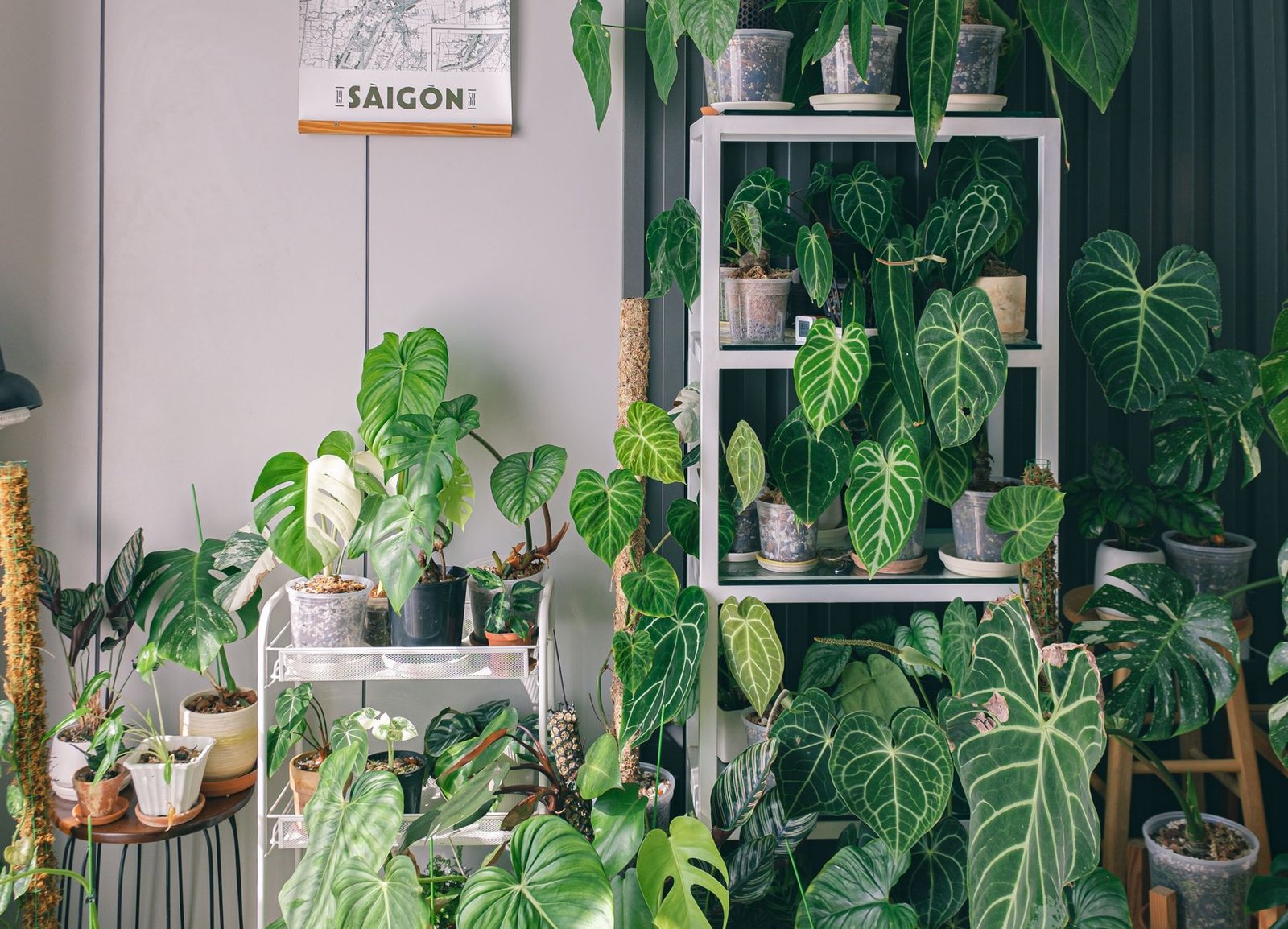

For the serious aroid collector, the pursuit of optimal growth and vibrant health for prized specimens like Monstera albo, Philodendron spiritus sancti, and variegated Anthurium is a constant endeavor. While factors like humidity, light, and temperature are crucial, the foundation of any successful aroid cultivation strategy lies in the soil. This isn’t your average potting mix; we’re talking about a precisely formulated blend that mimics the epiphytic and lithophytic conditions these plants thrive in. This article unveils the secrets behind the premium aroid soil mix recipes used by professional growers, allowing you to unlock explosive growth and maximize the value of your investment.
Why Premium Aroid Soil Matters: Beyond Basic Potting Mix
Aroids, by nature, are often epiphytic or lithophytic, meaning they grow on trees or rocks, respectively. Their roots are adapted to clinging to surfaces and receiving nutrients and moisture from the air and decaying organic matter. Traditional potting mixes, designed for terrestrial plants, often retain too much moisture, leading to root rot – a common killer of prized aroids. A premium aroid mix addresses this by providing:
- Exceptional Drainage: Prevents waterlogging and allows for rapid gas exchange around the roots.
- Optimal Aeration: Provides ample oxygen to the roots, essential for respiration and nutrient uptake.
- Nutrient Availability: Supplies essential macro and micronutrients in a form readily accessible to the plant.
- Physical Support: Provides anchorage for the roots without compaction.
Investing in a premium soil mix is not merely a matter of convenience; it’s a strategic decision that directly impacts the health, vigor, and ultimately, the market value of your rare aroid collection. Consider this: a healthy, well-grown Monstera albo with vibrant variegation can fetch upwards of $1,000, while a stressed, root-bound specimen might only command a fraction of that price. The cost of a premium soil mix (around $30-50 per bag) pales in comparison to the potential loss in plant value due to subpar growing conditions.
The Professional’s Recipe: Deconstructing the Premium Aroid Soil Mix
The exact recipe can vary depending on the specific aroid species and the grower’s personal preferences, but the core components remain consistent. Here’s a breakdown of the key ingredients and their roles:
- Coco Coir: A sustainable alternative to peat moss, coco coir provides excellent water retention and aeration. Opt for buffered coco coir to avoid calcium and magnesium deficiencies.
- Orchid Bark: Provides excellent drainage and aeration, mimicking the epiphytic environment. Choose a bark size appropriate for the size of the pot and the root system.
- Perlite: A lightweight volcanic glass that improves drainage and aeration. Use horticultural-grade perlite, which is less dusty than other types.
- Pumice: Similar to perlite but with a slightly higher water retention capacity. Pumice also adds valuable minerals to the mix.
- Worm Castings: A natural fertilizer rich in beneficial microbes and nutrients. Use high-quality worm castings from a reputable source.
- Activated Charcoal: Helps to absorb toxins and improve drainage. Choose horticultural-grade activated charcoal.
- Optional Amendments: Depending on the specific needs of the aroid, you can add other amendments such as horticultural charcoal, lava rock, or slow-release fertilizer.
The Ratio: A commonly used ratio for a premium aroid mix is 40% coco coir, 30% orchid bark, 15% perlite, 10% pumice, and 5% worm castings and activated charcoal combined. This ratio can be adjusted based on your specific growing conditions and the needs of your plants.
Step-by-Step Guide: Creating Your Own Premium Aroid Soil Mix
While pre-made premium aroid mixes are available, creating your own allows for greater control over the ingredients and their ratios, ensuring a customized blend perfectly suited to your plants.
- Gather Your Materials: Collect all the necessary ingredients: coco coir, orchid bark, perlite, pumice, worm castings, and activated charcoal. Consider investing in a high-quality digital scale for accurate measurements.
- Hydrate the Coco Coir: If using coco coir bricks, hydrate them according to the manufacturer’s instructions. Ensure the coco coir is thoroughly rinsed to remove excess salts.
- Prepare the Orchid Bark: Soak the orchid bark in water for several hours or overnight to remove dust and tannins. This also helps to prevent the bark from absorbing water from the soil too quickly.
- Combine the Ingredients: In a large container, combine the coco coir, orchid bark, perlite, pumice, worm castings, and activated charcoal. Mix thoroughly until all the ingredients are evenly distributed.
- Test the Mix: Before using the mix, test its drainage by watering a small amount in a pot. The water should drain freely without pooling on the surface.
- Adjust as Needed: If the mix drains too quickly, add more coco coir or pumice. If it drains too slowly, add more orchid bark or perlite.
Premium Soil Mix Options: A Comparative Analysis
For those who prefer the convenience of pre-made mixes, several premium options are available on the market. Here’s a comparative table highlighting some popular choices and their pricing tiers:
| Product Name | Price (per gallon) | Key Ingredients | Pros | Cons |
|---|---|---|---|---|
| Repotme Aroid Mix | $12 – $15 | Orchiata bark, coco coir, horticultural charcoal, pumice, perlite | Well-balanced, readily available, high-quality ingredients | Relatively expensive |
| Arber Aroid Potting Mix | $10 – $13 | Coco coir, pine bark, perlite, worm castings, mycorrhizae | Contains beneficial microbes, good drainage, affordable | May require additional drainage amendments for some aroids |
| FoxFarm Ocean Forest Potting Soil (Mixed with Amendments) | $8 – $10 (base soil only) | Forest humus, sphagnum peat moss, perlite, earthworm castings (requires amendment with orchid bark and pumice) | Readily available, nutrient-rich, relatively inexpensive (before amendments) | Retains too much moisture on its own, requires significant amendments |
ROI Analysis: While pre-made mixes offer convenience, the cost per gallon can be significantly higher than creating your own. For example, a 20-gallon batch of DIY aroid mix using high-quality ingredients might cost around $80, translating to $4 per gallon. Opting for a premium pre-made mix at $12 per gallon would cost $240 for the same volume. The cost savings of DIY can be substantial, especially for larger collections.
Optimizing Growth: Beyond the Soil Mix
The soil mix is just one piece of the puzzle. To truly maximize the growth and health of your aroids, consider these additional factors:
- Lighting: Aroids thrive in bright, indirect light. Invest in a high-quality LED grow light system, such as a Spider Farmer SF-2000 (around $300), to provide consistent and optimal lighting, especially during the winter months. Data shows that consistent PPFD (Photosynthetic Photon Flux Density) levels between 200-400 µmol/m²/s significantly increase growth rates in many aroid species.
- Humidity: Aroids prefer high humidity levels (60-80%). Use a humidifier or group plants together to create a humid microclimate.
- Watering: Water thoroughly when the top inch of soil feels dry. Avoid overwatering, which can lead to root rot. Use filtered water to avoid mineral buildup.
- Fertilizing: Feed your aroids regularly with a balanced liquid fertilizer diluted to half strength.
- Pest Control: Regularly inspect your plants for pests and treat promptly with an appropriate insecticide or miticide.
Troubleshooting Common Aroid Problems
Even with the best soil mix and care, problems can sometimes arise. Here are some common issues and their solutions:
- Yellowing Leaves: Can be caused by overwatering, underwatering, nutrient deficiencies, or pest infestations.
- Root Rot: Caused by overwatering and poor drainage. Remove affected roots and repot in fresh, well-draining soil.
- Slow Growth: Can be caused by insufficient light, nutrient deficiencies, or root-bound conditions.
- Pest Infestations: Common pests include spider mites, mealybugs, and thrips. Treat with an appropriate insecticide or miticide.
Investing in Your Collection: A Long-Term Strategy
Cultivating rare and valuable aroids is an investment, both financially and emotionally. By providing the optimal growing conditions, including a premium soil mix, you are not only ensuring the health and longevity of your plants but also maximizing their potential value. The initial investment in quality soil, lighting, and other equipment will pay off in the long run through healthier, more vigorous plants that command higher prices in the market.
Conclusion: The Foundation for Aroid Success
The premium aroid soil mix is the cornerstone of successful aroid cultivation. By understanding the specific needs of these plants and creating a custom blend that provides optimal drainage, aeration, and nutrient availability, you can unlock their full potential and enjoy the beauty and rarity of your collection for years to come. Whether you choose to create your own mix or opt for a pre-made blend, remember that investing in quality is always the best strategy for the serious aroid collector.
Frequently Asked Questions (FAQ)
What is the best type of coco coir to use?
Buffered coco coir is highly recommended to avoid calcium and magnesium deficiencies. Unbuffered coco coir can bind these nutrients, making them unavailable to the plant.
How often should I repot my aroids?
Repotting frequency depends on the growth rate of the plant and the size of the pot. Generally, repotting every 1-2 years is recommended. Look for signs of root-bound conditions, such as roots circling the pot or slow growth.
Can I use regular potting soil for aroids if I add perlite?
While adding perlite to regular potting soil can improve drainage, it’s not a substitute for a true aroid mix. Regular potting soil still retains too much moisture and lacks the necessary aeration for optimal aroid growth. It’s best to use a dedicated aroid mix or amend regular potting soil with orchid bark, pumice, and other ingredients.
Is activated charcoal necessary in an aroid mix?
Activated charcoal is not strictly necessary, but it offers several benefits, including absorbing toxins, improving drainage, and preventing odors. It’s a valuable addition to a premium aroid mix.
Where can I buy high-quality ingredients for my aroid mix?
Reputable garden centers, nurseries, and online retailers are good sources for high-quality ingredients. Look for brands that specialize in horticultural products and have positive reviews.
What are some signs that my aroid soil mix is not working?
Signs of a poor soil mix include yellowing leaves, root rot, slow growth, and pest infestations. If you notice any of these problems, it’s important to repot your aroid in a fresh, well-draining mix.
How does climate affect my aroid soil mix choice?
In drier climates, a mix with slightly higher water retention (more coco coir or pumice) may be beneficial. In humid climates, a mix with faster drainage (more orchid bark or perlite) is generally preferred to prevent root rot.