
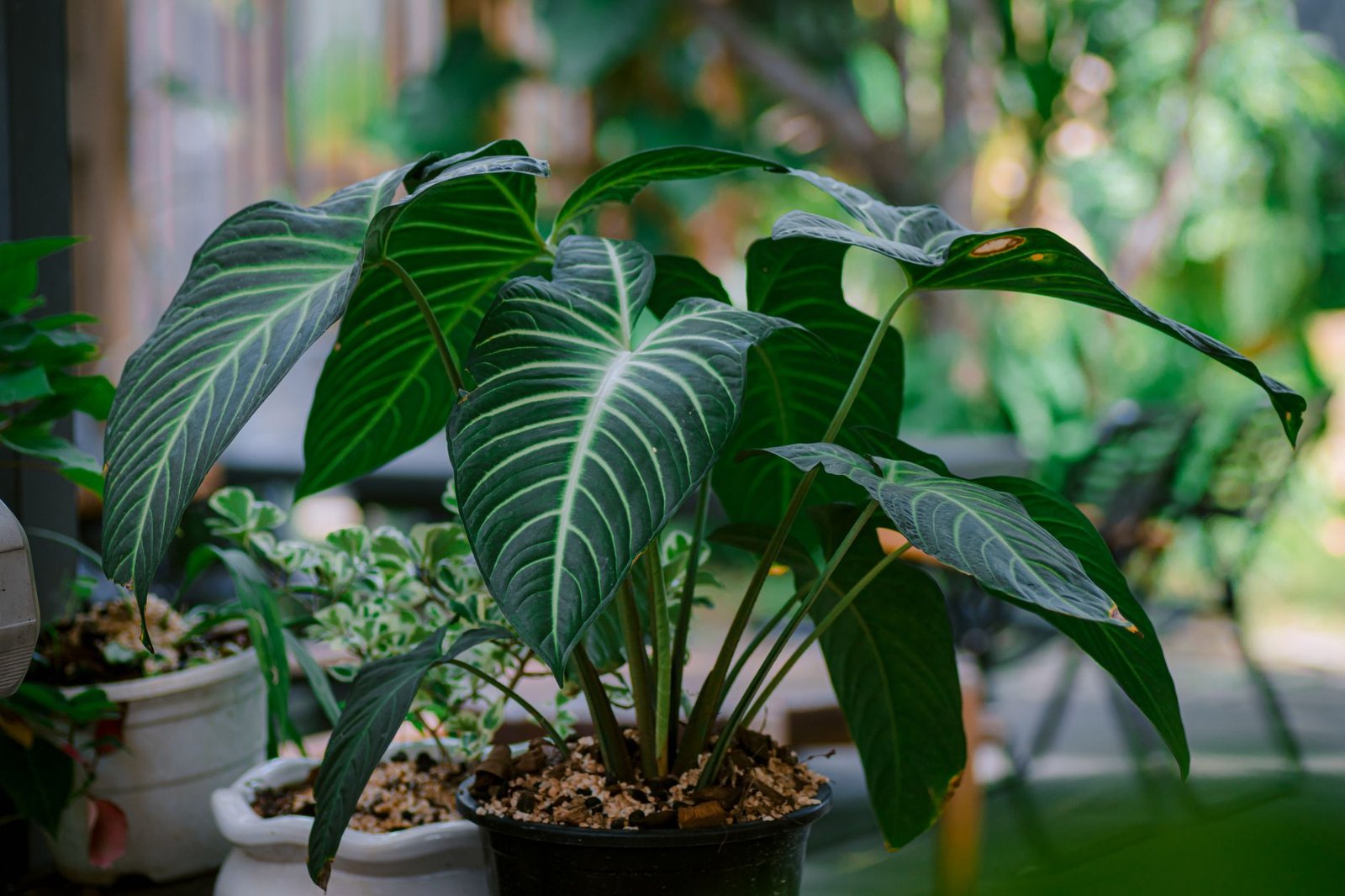

For the serious aroid collector, the pursuit of thriving, vibrant plants is more than a hobby – it’s an investment. When you’re dealing with rare and valuable specimens like a variegated Monstera albo, a Philodendron spiritus-sancti, or an Anthurium veitchii, the stakes are high. Skimping on the foundation – the soil – is simply not an option. This article provides an in-depth look at the premium aroid soil mix recipe used by professional growers, empowering you to cultivate the exceptional growth your collection deserves. This isn’t your average potting mix; this is a scientifically formulated blend designed to maximize aeration, drainage, and nutrient availability, leading to healthier roots, faster growth, and ultimately, a higher return on your investment.
Why Premium Soil Matters: Beyond the Basics
Aroids, originating from tropical rainforests, have specific needs that standard potting mixes often fail to meet. Their epiphytic nature requires excellent drainage to prevent root rot, a common killer of these prized plants. A premium aroid mix goes beyond simple drainage; it focuses on creating an environment that mimics their natural habitat, promoting healthy root development and nutrient uptake. Let’s break down the key benefits:
- Enhanced Aeration: Aroid roots need oxygen. Compacted soil restricts airflow, leading to anaerobic conditions and root rot. Premium mixes incorporate ingredients that create air pockets, allowing roots to breathe.
- Superior Drainage: Stagnant water suffocates roots. A well-draining mix allows excess water to flow freely, preventing waterlogging and promoting healthy root growth.
- Optimal Nutrient Availability: A premium mix provides a balance of essential nutrients, readily available for uptake by the plant. This leads to faster growth, larger leaves, and more vibrant colors.
- pH Buffering: The ideal pH range for most aroids is slightly acidic (around 6.0-6.5). A premium mix helps buffer the pH, preventing it from fluctuating and stressing the plant.
- Reduced Risk of Pests and Diseases: Quality ingredients and proper sterilization (if applicable) minimize the risk of introducing pests and diseases to your collection.
The Professional’s Aroid Soil Mix Recipe
This recipe is a culmination of years of experience and experimentation, designed to provide the optimal growing medium for a wide range of aroids. While variations exist depending on specific plant needs, this serves as a solid foundation:
- Coco Coir: 40% (Provides moisture retention and aeration. Opt for buffered coco coir to avoid pH imbalances.)
- Orchid Bark: 30% (Provides excellent drainage and aeration. Choose a medium-grade bark for optimal results.)
- Perlite: 20% (Enhances drainage and aeration. Use coarse perlite for better structural integrity.)
- Worm Castings: 10% (Provides slow-release nutrients and beneficial microbes. Source from a reputable supplier for quality assurance.)
Why these ingredients?
Each component plays a crucial role:
- Coco Coir: Offers a sustainable alternative to peat moss, providing excellent water retention while maintaining good aeration. Buffered coco coir prevents calcium and magnesium deficiencies.
- Orchid Bark: Creates large air pockets, promoting drainage and preventing compaction. The bark also provides a surface for beneficial microbes to colonize.
- Perlite: Lightweight and porous, perlite improves drainage and aeration, preventing the soil from becoming waterlogged.
- Worm Castings: A natural fertilizer rich in essential nutrients and beneficial microbes. Worm castings improve soil structure and promote healthy root growth. Studies show that worm castings can increase plant growth by up to 25% compared to plants grown in soil without them.
Step-by-Step Mixing Guide
- Gather Your Materials: Ensure you have all the ingredients in the correct proportions. A large mixing tub or container is essential.
- Hydrate the Coco Coir: If using coco coir bricks, hydrate them according to the manufacturer’s instructions. This typically involves soaking the brick in water until it expands.
- Combine the Ingredients: Add the hydrated coco coir, orchid bark, perlite, and worm castings to the mixing tub.
- Mix Thoroughly: Use your hands or a shovel to mix the ingredients until they are evenly distributed. Ensure there are no clumps of coco coir or worm castings.
- Check the Moisture Level: The mix should be moist but not wet. Squeeze a handful of the mix; it should hold its shape but not drip water.
- Store or Use Immediately: If not using immediately, store the mix in an airtight container to prevent it from drying out.
Optional Amendments for Enhanced Performance
For even greater results, consider adding these amendments to your premium aroid mix:
- Horticultural Charcoal: Improves drainage, absorbs toxins, and provides a habitat for beneficial microbes. Add 5-10% by volume.
- Mycorrhizae: Beneficial fungi that form a symbiotic relationship with plant roots, enhancing nutrient uptake and drought resistance. Follow the manufacturer’s instructions for application. Studies show that mycorrhizal inoculation can increase plant phosphorus uptake by up to 50%.
- Slow-Release Fertilizer: Provides a steady supply of nutrients over several months. Choose a fertilizer specifically formulated for aroids. Follow the manufacturer’s instructions for application.
- Neem Cake Powder: Acts as a natural pest repellent and provides slow-release nitrogen. Add 1-2% by volume.
Comparing Premium Aroid Soil Mixes: A Cost-Benefit Analysis
While making your own mix offers cost savings and control, pre-mixed premium aroid soils are available. Here’s a comparison of different options, considering both price and performance, for a collector willing to invest in the best for their plants:
| Product | Price (per cubic foot) | Key Features | Pros | Cons | ROI Considerations |
|---|---|---|---|---|---|
| DIY Premium Mix (as described above) | $15-20 | Customizable, control over ingredients | Cost-effective for large collections, allows for specific adjustments | Requires sourcing individual components, time-consuming to mix | Highest potential ROI if ingredients are sourced carefully and the mix is properly formulated. Avoids brand markup. |
| Repotme Aroid Mix | $35-45 | High-quality ingredients, well-balanced | Convenient, reliable performance, reputable brand | More expensive than DIY, limited customization | Good ROI due to reduced risk of plant loss and increased growth, especially for rare and expensive aroids. |
| Besgrow Orchiata (Mixed with Perlite & Worm Castings) | $40-50 (for Orchiata alone, plus cost of other components) | Premium orchid bark, excellent drainage | Exceptional aeration, ideal for epiphytic aroids | Can be more expensive if purchased in small quantities, requires additional amendments | Excellent ROI for plants highly susceptible to root rot. The superior drainage minimizes risk. |
| FoxFarm Ocean Forest (Amended with Perlite & Orchid Bark) | $25-35 (plus cost of other components) | Readily available, nutrient-rich base | Relatively affordable, provides a good starting point | Requires significant amendment to improve drainage, can be too dense for some aroids | Lower ROI compared to other options unless heavily amended, as it may not provide optimal conditions for aroids without modification. |
ROI Calculation Example:
Consider a rare Philodendron spiritus-sancti valued at $1,000. Using a standard potting mix with poor drainage could lead to root rot and plant death, resulting in a 100% loss of your investment. Investing in a premium soil mix costing an extra $20-30 significantly reduces the risk of loss and promotes healthy growth, potentially increasing the plant’s value over time. Furthermore, a healthy plant is more likely to produce offsets, providing further return on investment.
Lighting: The Perfect Partner for Premium Soil
Even the best soil mix won’t compensate for inadequate lighting. For optimal growth, especially indoors, consider investing in a professional grow light system. High-quality LED grow lights, such as those from brands like Spider Farmer or Mars Hydro (priced from $200 upwards), provide the full spectrum of light necessary for photosynthesis, promoting vigorous growth and vibrant colors. Combine these lights with a premium soil mix, and you’ll witness a remarkable transformation in your aroid collection.
Troubleshooting Common Issues
Even with a premium soil mix, problems can arise. Here are some common issues and their solutions:
- Yellowing Leaves: Could indicate overwatering, underwatering, nutrient deficiency, or pest infestation. Adjust watering habits, fertilize appropriately, and inspect for pests.
- Root Rot: Characterized by mushy, brown roots. Repot the plant in fresh soil, removing any affected roots. Improve drainage and reduce watering frequency.
- Slow Growth: Could be due to insufficient light, nutrient deficiency, or rootbound conditions. Provide adequate lighting, fertilize regularly, and repot into a larger container if necessary.
- Pest Infestation: Common pests include spider mites, mealybugs, and thrips. Treat with insecticidal soap, neem oil, or beneficial insects.
Conclusion: Invest in Success
For the serious aroid collector, investing in a premium soil mix is not an expense, but a strategic investment in the health, growth, and value of their prized plants. By understanding the science behind the mix and tailoring it to your specific needs, you can unlock the full potential of your collection and enjoy the rewards of thriving, vibrant aroids. Remember to pair your premium soil with adequate lighting, proper watering techniques, and regular monitoring to ensure optimal growth and long-term success. The initial investment in high-quality soil and equipment will pay dividends in the form of healthier, more valuable plants that will be the envy of any collector.
Frequently Asked Questions (FAQs)
-
Can I use this mix for all my aroids?
This mix is suitable for most aroids, but some species may prefer slight variations. Research the specific needs of your plants and adjust the mix accordingly. For example, plants that prefer drier conditions may benefit from a higher proportion of orchid bark and perlite.
-
How often should I repot my aroids?
Repotting frequency depends on the growth rate of the plant and the size of the pot. Generally, repotting every 1-2 years is sufficient. Signs that your plant needs repotting include roots circling the pot, slow growth, and frequent drying out of the soil.
-
Where can I source high-quality ingredients?
Reputable nurseries, garden centers, and online retailers are good sources for high-quality ingredients. Look for brands known for their consistency and quality. Avoid using ingredients from unknown or unreliable sources.
-
Is it necessary to sterilize the soil mix before use?
Sterilizing the soil mix is not always necessary, but it can help reduce the risk of pests and diseases. If you choose to sterilize, you can use a microwave or oven. However, sterilization can also kill beneficial microbes, so it’s important to reintroduce them after sterilization by adding mycorrhizae or worm castings.
-
How do I know if my aroid is getting enough light?
Signs of insufficient light include leggy growth, pale leaves, and a lack of variegation. If your plant is not getting enough natural light, supplement with a grow light. Observe your plant closely and adjust the lighting as needed.
-
What is the ideal humidity level for aroids?
Most aroids prefer a humidity level of 60-80%. You can increase humidity by using a humidifier, grouping plants together, or placing plants on a pebble tray filled with water. Monitor humidity levels with a hygrometer.