

Updated September 2026
For plant enthusiasts, the choice of a pot is more than just aesthetics; it’s about providing the best environment for root health. Among the myriad options, terracotta pots remain a timeless favorite, cherished for their breathability and classic appeal. But when it comes to quality, does it matter if your terracotta is handmade by an artisan or churned out by a machine? As product-review specialists at PlantsMag.com, we’ve put both types through their paces to help you make an informed decision for your green companions. This comprehensive comparison delves into the nuances of handmade vs. machine-made terracotta, focusing on durability, aesthetics, value, and overall plant health benefits.
Artisan Craftsmanship: The Allure of Handmade Terracotta Pots
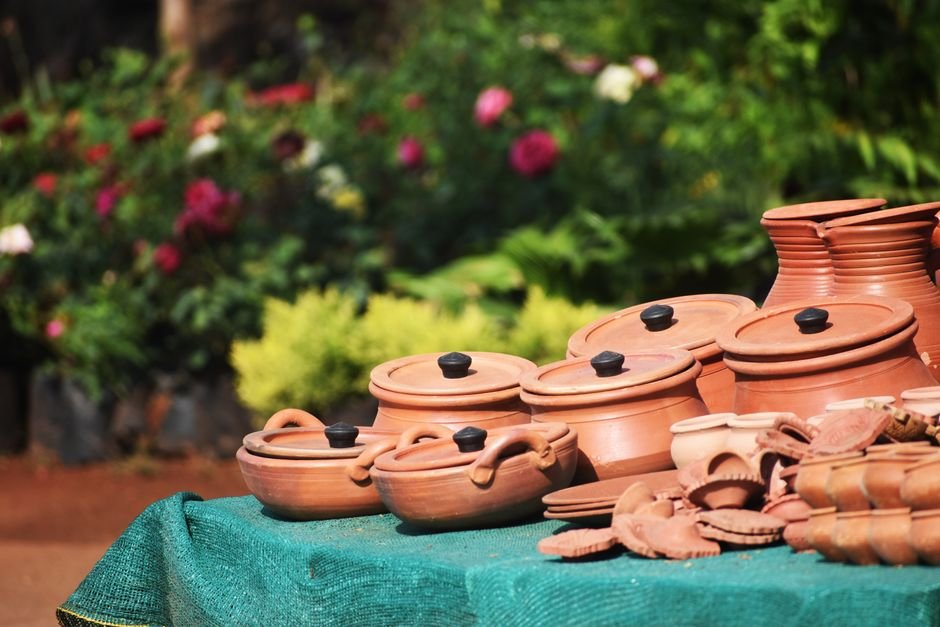
Handmade terracotta pots carry an undeniable charm, often reflecting centuries-old pottery traditions. Each piece is unique, bearing the subtle marks of its creator—a slight asymmetry, a unique texture, or an individual color variation that tells a story. This individuality is a significant draw for many plant hobbyists who appreciate the character and rustic appeal. Beyond aesthetics, the traditional methods used in crafting these pots often involve specific clay blends and firing techniques that can result in superior porosity, enhancing air circulation to plant roots and preventing waterlogging. However, this artisanal touch often comes with a higher price tag and sometimes, less uniform quality control.
Precision Engineering: The Efficiency of Machine-Made Terracotta Pots
In contrast, machine-made terracotta pots are celebrated for their uniformity, consistency, and affordability. Produced in large quantities using molds and automated processes, these pots offer predictable sizing, consistent wall thickness, and standardized drainage holes. This precision makes them ideal for gardeners who need many pots of the same size for a cohesive display or large-scale planting projects. While they may lack the unique character of their handmade counterparts, modern manufacturing techniques have greatly improved the quality of machine-made terracotta, often ensuring excellent breathability and durability at a fraction of the cost. They are widely available at major retailers and online, offering convenience and accessibility.
Durability and Longevity: Which Withstands the Test of Time?
The durability of a terracotta pot largely depends on the quality of the clay and the firing temperature. High-fired terracotta is denser, less porous, and more resistant to chipping and cracking, whether handmade or machine-made. However, handmade pots can sometimes suffer from inconsistent firing due to traditional kilns, leading to weaker spots. Machine-made pots, with their controlled kiln environments, often achieve a more uniform firing, resulting in consistent strength. That said, a well-made, high-quality handmade pot, especially one from reputable studios, can be incredibly robust and last for decades, developing a beautiful patina over time. Cheaper machine-made options, while uniform, might use thinner clay or lower firing temperatures, making them more prone to breakage.
Aesthetic Differences: Character vs. Uniformity
The visual appeal is a primary differentiator. Handmade pots offer a spectrum of unique textures, varying hues, and organic shapes. These imperfections are often seen as desirable, adding a touch of rustic elegance or bohemian flair to any plant collection. They are perfect for showcasing individual specimen plants or creating an eclectic garden design. Machine-made pots, on the other hand, provide a clean, consistent look. Their smooth surfaces and identical forms are excellent for minimalist decor, creating symmetrical arrangements, or when you desire a uniform backdrop that lets the plants themselves be the sole focal point. The choice here is purely personal, depending on your interior design style or garden vision.
Price vs. Value: Making the Investment
Generally, handmade terracotta pots command a higher price due to the labor-intensive production process, the skill of the artisan, and the often unique clay sources. You’re paying for craftsmanship and individuality. While the initial cost is higher, the perceived value lies in their longevity and singular aesthetic. Machine-made pots are significantly more affordable, making them an excellent choice for budget-conscious gardeners or those needing to pot many plants. The value here is in accessibility, consistency, and cost-effectiveness. When considering your investment, think about the pot’s purpose: is it a statement piece, or a functional container for everyday plants?
Product Comparison: Handmade vs. Machine-Made Terracotta Pots
| Product Name | Price Range (USD) | Pros | Cons | Best For |
|---|---|---|---|---|
| Handmade: Tuscan Artisan Clay Pot (8-inch) | $25 – $45 |
|
| Collector plants, statement pieces, those valuing unique craftsmanship, traditional garden themes. (Available at specialty nurseries, Etsy, or Amazon US via artisan sellers) |
| Handmade: Southwest Terracotta Studio Planter (6-inch) | $18 – $35 |
|
| Cacti, succulents, outdoor patios, traditional garden themes, durable long-term use. (Available at specialty nurseries, Amazon US artisan shops) |
| Machine-Made: Bloem Terra Cotta Pot (8-inch) | $5 – $12 |
|
| Budget-conscious gardeners, high-volume planting, uniform displays, plant propagation, starter plants. (Available at Amazon US, Home Depot, Lowe’s) |
| Machine-Made: Classic Clay Pot by Arcadia Garden Products (6-inch) | $3 – $8 |
|
| Everyday houseplants, starter plants, bulk purchases, minimalist aesthetics, utility planting. (Available at Amazon US, Lowe’s, garden centers) |
What to Look For When Buying Terracotta Pots
Regardless of whether you choose handmade or machine-made, here’s what our experts at PlantsMag.com recommend you scrutinize:
- Drainage Hole Quality: Ensure the drainage hole is appropriately sized (typically 0.5-1 inch for an 8-inch pot) and free of obstructions or rough edges that could impede water flow.
- Clay Porosity/Breathability: Good terracotta should feel slightly rough and absorb water. You can test this by sprinkling a few drops of water on the outside; it should darken slightly as it absorbs.
- Firing Quality (The ‘Tap Test’): Gently tap the rim of the pot with your knuckle. A well-fired pot will produce a clear, ringing sound. A dull thud can indicate under-firing, which makes the pot weaker and less porous.
- Rim and Base Integrity: Check for chips, cracks, or unevenness, especially around the rim and base. A stable, flat base is crucial for preventing tipping.
- Wall Thickness: Thicker walls generally mean a more durable pot, offering better insulation for roots against temperature fluctuations.
- Aesthetic Preference: Decide if you prefer the unique character of handmade imperfections or the sleek uniformity of machine-made pots to match your plant and decor style.
Verdict: Our Top Pick for Every Gardener
Ultimately, there isn’t a single ‘best’ terracotta pot; the ideal choice hinges on your specific needs, aesthetic preferences, and budget. For those who prioritize unique character, superior breathability, and are willing to invest in a piece of art that will age beautifully, a high-quality handmade terracotta pot is an unparalleled choice. It’s perfect for showcasing special plants or creating a garden with soul. However, for gardeners seeking consistent quality, affordability, and uniformity for multiple plants or a modern aesthetic, machine-made terracotta pots offer incredible value and functionality. Our top recommendation is to consider the plant’s needs first – thirsty plants often benefit more from the extra breathability of robust handmade pots, while standard houseplants will thrive equally well in quality machine-made options. Don’t be afraid to mix and match to create a dynamic and functional plant display!
Frequently Asked Questions About Terracotta Pots
Are handmade terracotta pots always better for plants?
Not necessarily. While handmade pots often boast superior breathability and unique charm, a well-made machine-made pot can provide excellent conditions for most plants. The key factors are clay quality, proper firing, and effective drainage, which can be found in both categories.
How can I tell if a terracotta pot is good quality?
Perform the ‘tap test’ – a good quality, well-fired pot will emit a clear, ringing sound when gently tapped. Also, check for consistent wall thickness, a smooth drainage hole, and a stable base. The clay should feel somewhat porous, not overly smooth or sealed.
Do machine-made terracotta pots breathe as well as handmade ones?
Modern machine-made terracotta pots are designed to be porous and breathable, offering good aeration for roots. While some artisanal handmade pots might have a slight edge in overall porosity due to traditional clay blends and firing, the difference is often negligible for the average houseplant. Avoid pots with glazes on the inside, as these will inhibit breathability.
What’s the best way to clean terracotta pots?
To clean terracotta pots, scrub them with a stiff brush under warm water to remove soil and mineral buildup. For stubborn stains or to sterilize, soak them in a solution of 1 part bleach to 9 parts water for 30 minutes, then rinse thoroughly. Always let pots dry completely before reuse, especially if repotting sensitive plants.
Can terracotta pots withstand freezing temperatures?
Most terracotta pots, especially those that are low-fired or have thin walls, are not frost-proof. The porous nature of terracotta allows it to absorb water, which can freeze and expand, causing the pot to crack or shatter. If you live in a region with freezing winters, either bring your terracotta pots indoors or choose ‘frost-resistant’ or ‘high-fired’ labeled pots, which are denser and less absorbent.