
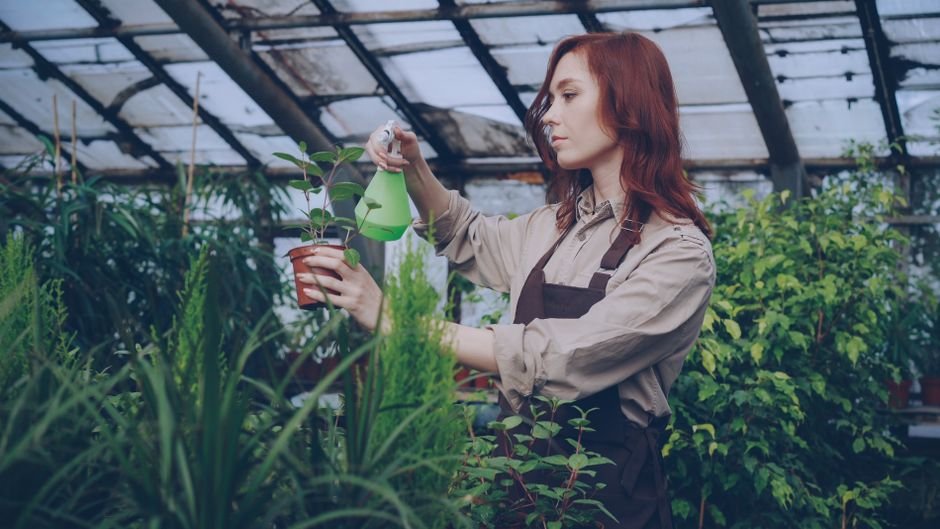

The Monstera Deliciosa, often affectionately called the "Swiss Cheese Plant" due to its distinctive fenestrated leaves, has become a beloved staple in US homes. Its striking appearance and relatively straightforward care make it a favorite for both novice and experienced plant enthusiasts. This Monstera Deliciosa Complete Care Guide is designed to equip you with expert knowledge, ensuring your plant not only survives but truly thrives, developing those iconic splits that signify a happy, healthy specimen. From understanding its tropical origins to mastering watering techniques and providing the right support, we’ll cover everything you need to cultivate a magnificent Monstera.
Light Requirements: The Key to Fenestration
Monstera Deliciosa flourishes in bright, indirect light, mimicking its natural habitat beneath the jungle canopy. Direct, harsh sunlight can scorch its leaves, leading to yellowing or brown patches. Conversely, insufficient light will result in leggy growth, smaller leaves, and a frustrating lack of fenestrations (the characteristic splits). An east-facing window is often ideal, offering gentle morning sun, while a south or west-facing window might require sheer curtains to diffuse intense afternoon rays. If your home lacks adequate natural light, consider supplementing with a full-spectrum LED grow light, such as those from brands like Sansi or Barrina, especially during darker winter months. Aim for 10-12 hours of consistent, bright ambient light daily.
Watering Wisdom: Avoiding Root Rot and Thirst
Proper watering is paramount for your Monstera’s health. Overwatering is a common killer, leading to root rot, while underwatering causes wilting and stunted growth. The golden rule is to allow the top 2-3 inches of soil to dry out completely between waterings. You can test this by sticking your finger into the soil or, for more accuracy, using a moisture meter like the XLUX T10. When it’s time to water, do so thoroughly until water drains from the bottom of the pot. Ensure your pot has drainage holes to prevent waterlogging. Reduce watering frequency during the cooler, darker months when the plant’s growth slows down. Yellowing leaves, often with dark spots, are a classic sign of overwatering, while drooping leaves can indicate thirst.
Potting Mix and Nutrition: Fueling Growth
Providing the right foundation for your Monstera Deliciosa involves selecting an appropriate potting mix and establishing a consistent feeding schedule.
Ideal Soil Composition
Monstera Deliciosa thrives in a well-draining, airy, and nutrient-rich potting mix that prevents compaction and allows for good aeration. A standard houseplant mix often isn’t enough; it tends to retain too much moisture. A custom blend works best, typically consisting of:
- 40% high-quality potting soil (e.g., FoxFarm Ocean Forest)
- 30% coco coir or peat moss (for moisture retention)
- 20% perlite or pumice (for drainage and aeration)
- 10% orchid bark or horticultural charcoal (for aeration and preventing compaction)
This combination ensures excellent drainage while retaining enough moisture for the roots. Repot your Monstera every 1-2 years, or when it becomes root-bound, typically in spring.
Fertilization Schedule
During the active growing season (spring and summer), your Monstera benefits greatly from regular fertilization. Use a balanced liquid fertilizer, such as Dyna-Gro Grow 7-9-5, diluted to half strength, every 2-4 weeks. Avoid fertilizing in fall and winter when the plant is dormant, as this can lead to nutrient burn. Signs of nutrient deficiency include pale or yellowing leaves, while over-fertilization can manifest as crispy leaf edges or stunted growth. Always water your plant thoroughly before applying fertilizer to prevent root burn.
Humidity and Temperature: Mimicking the Tropics
Originating from the tropical rainforests of Mexico and Central America, Monstera Deliciosa appreciates warm temperatures and high humidity.
The ideal temperature range for your Monstera is between 65-80°F (18-27°C). Avoid exposing it to temperatures below 50°F (10°C) or sudden cold drafts, which can cause leaf damage and stress. US homes, especially during winter, can be quite dry. Aim for humidity levels of 60% or higher for optimal growth and fenestration. You can increase humidity by:
- Using a humidifier (e.g., Levoit, Honeywell) near your plant.
- Placing the pot on a pebble tray filled with water (ensure the pot isn’t sitting directly in water).
- Grouping plants together to create a microclimate.
- Misting leaves occasionally (though this provides only temporary relief).
Low humidity can lead to brown, crispy leaf edges and make your plant more susceptible to pests.
Support and Pruning: Shaping Your Green Giant
As a vining epiphyte, Monstera Deliciosa naturally climbs trees in its native environment, using its aerial roots for support. Providing a moss pole or trellis mimics this natural habit, encouraging larger leaves, better fenestration, and a more upright, structured growth pattern. Without support, your Monstera may sprawl, leading to smaller leaves and less impressive development.
Pruning is essential for maintaining size, shape, and overall plant health. You can prune back leggy stems or remove yellowing, damaged, or diseased leaves. Always use sharp, sterilized shears to make clean cuts just above a node. Pruning also encourages bushier growth and can provide cuttings for propagation.
Step-by-Step Moss Pole Installation for Optimal Monstera Support
- Select Your Pole: Choose a moss pole appropriate for your plant’s current size, typically 2-3 feet tall for a young Monstera. You can extend it later.
- Position the Pole: Gently insert the moss pole into the potting mix, as close to the main stem as possible, ensuring it reaches the bottom of the pot for stability. Be careful not to damage major roots.
- Attach Stems: Carefully gather the main stems of your Monstera and guide them towards the moss pole.
- Secure with Ties: Use soft plant ties, twine, or Velcro plant tape to gently secure the stems to the pole. Avoid tying too tightly, which can restrict growth or damage the stem.
- Encourage Aerial Roots: Over time, mist the moss pole to keep it moist. This encourages the aerial roots to attach to the pole, providing natural support and absorbing moisture.
- Maintain: As your Monstera grows, you may need to add extensions to the moss pole or install a taller one. Continue to guide and secure new growth.
Pest and Disease Management: Keeping Your Monstera Healthy
Even the healthiest Monstera can occasionally fall victim to pests or diseases. Regular inspection is your best defense.
Common pests include spider mites (tiny webs, speckled leaves), mealybugs (fuzzy white cotton-like masses), and thrips (silver streaks, distorted growth). If you spot pests, isolate your plant immediately. For mild infestations, a strong spray of water can dislodge them. For more persistent issues, treat with organic solutions like neem oil spray or insecticidal soap, following product instructions carefully. Repeat applications may be necessary.
Diseases are less common but can occur, often due to improper care. Root rot, as mentioned, is caused by overwatering. Fungal spots can appear if humidity is too high without adequate air circulation. Ensure good airflow and proper watering practices to prevent most issues. A healthy plant is naturally more resistant to pests and diseases.
With this comprehensive Monstera Deliciosa Complete Care Guide, you’re well-equipped to nurture a magnificent "Swiss Cheese Plant" in your US home. By understanding its needs for bright, indirect light, balanced watering, appropriate soil, and tropical humidity, you’ll unlock its full potential, enjoying those coveted fenestrated leaves and the vibrant, lush presence it brings to any space. Happy growing!
Monstera Deliciosa Care Quick Reference
| Care Requirement | Ideal Conditions | Signs of Issue |
|---|---|---|
| Light | Bright, indirect light (east-facing window or diffused south/west) | Yellowing/scorched leaves (too much direct sun); Leggy growth, small leaves, no fenestrations (too little light) |
| Water | Allow top 2-3 inches of soil to dry out completely between waterings | Drooping, yellowing leaves with dark spots (overwatering/root rot); Wilting, crispy leaves (underwatering) |
| Humidity | 60% or higher | Brown, crispy leaf edges; Increased pest susceptibility |
| Soil | Well-draining, airy, nutrient-rich mix (e.g., potting soil, coco coir, perlite, orchid bark) | Compacted soil, poor drainage, root rot (incorrect mix); Nutrient deficiencies (poor soil quality) |
| Temperature | 65-80°F (18-27°C) | Leaf damage, stunted growth (below 50°F/10°C or cold drafts); Stress (extreme heat) |
Frequently Asked Questions About Monstera Deliciosa
Why are my Monstera leaves not splitting (fenestrating)?
Lack of fenestration is most commonly due to insufficient light or the plant being too young. Ensure your Monstera receives bright, indirect light for at least 10-12 hours daily. Increase humidity, and ensure proper fertilization. Older, mature plants in ideal conditions are more likely to develop those iconic splits.
How often should I repot my Monstera Deliciosa?
Monstera Deliciosa generally needs repotting every 1-2 years, or when it becomes root-bound (roots circling the drainage holes or pushing the plant up). The best time to repot is in spring, using a pot one size larger than the current one and fresh, well-draining soil.
Is Monstera Deliciosa toxic to pets?
Yes, Monstera Deliciosa is considered toxic to cats, dogs, and humans if ingested. It contains insoluble calcium oxalates, which can cause oral irritation, pain, swelling of the mouth, tongue, and lips, excessive drooling, vomiting, and difficulty swallowing. Keep your Monstera out of reach of curious pets and children.
What are the brown spots on my Monstera leaves?
Brown spots can indicate several issues. Brown, crispy spots or edges often point to low humidity or underwatering. Dark, mushy brown spots typically suggest overwatering and potential root rot. Brown spots with yellow halos might be a sign of a fungal infection, often exacerbated by poor air circulation or prolonged leaf wetness.
Can I propagate Monstera Deliciosa in water?
Absolutely! Water propagation is a popular and effective method. Simply take a stem cutting that includes at least one node (where a leaf or aerial root emerges) and one leaf. Place the cutting in a jar of clean water, ensuring the node is submerged. Change the water every few days. Roots typically emerge within a few weeks, and once they are a few inches long, the cutting can be transferred to soil.