
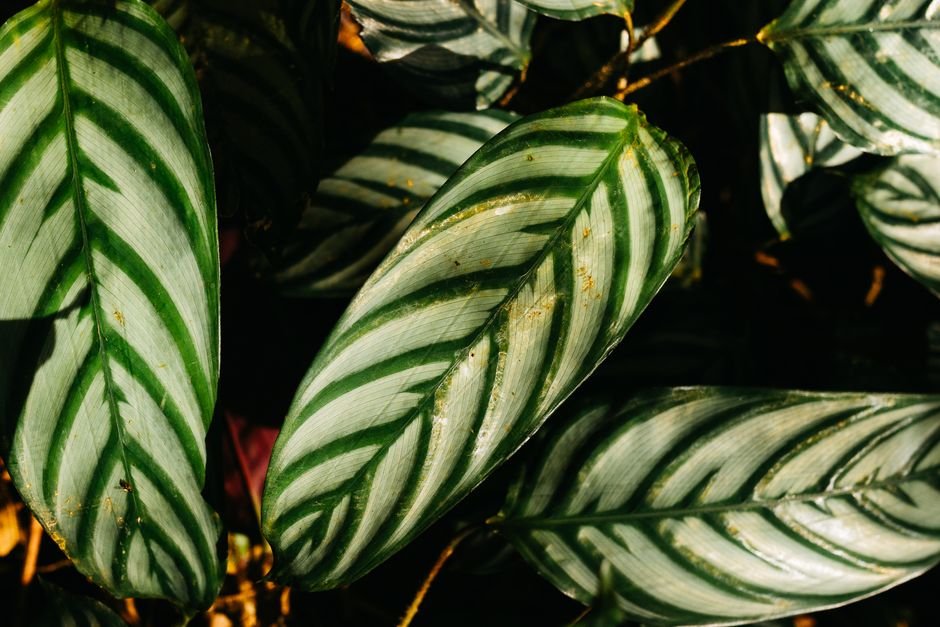

Welcome, fellow plant enthusiasts! As a senior horticulturist at PlantsMag.com, I often hear from readers intimidated by the reputation of Calatheas, affectionately known as “prayer plants.” With their stunning, intricately patterned foliage and captivating nocturnal leaf movements, it’s easy to see why they’re so coveted. However, their beauty often comes with a perceived challenge. Many believe these tropical beauties are high-maintenance and destined to disappoint. I’m here to tell you that with the right approach and understanding of their natural habitat, keeping your Calatheas happy indoors is entirely achievable. This comprehensive Calathea Care Guide will demystify their needs, transforming you into a confident caretaker of these botanical marvels.
Understanding Calathea Light Requirements
Calatheas thrive in conditions mimicking their native South American rainforest understory: bright, indirect light. Direct sunlight is their enemy, quickly scorching their delicate leaves, leading to faded patterns and crispy edges. Think of dappled light filtering through a dense canopy – that’s what your Calathea craves. An east-facing window is often ideal, providing gentle morning sun without the harsh intensity of midday or afternoon rays. If you only have south or west-facing windows, position your plant several feet away or use sheer curtains to diffuse the light. For homes with limited natural light, supplemental grow lights can be a game-changer. A compact LED grow light, such as a Sansi 10W LED, available for around $25-$30, can provide the consistent, gentle illumination your Calathea needs to maintain its vibrant colors and healthy growth.
The Art of Watering Your Prayer Plant
Consistent moisture is paramount for Calatheas, but they absolutely detest being waterlogged. The key is to keep the soil consistently moist, but never soggy. Overwatering can quickly lead to root rot, a death sentence for many houseplants. I recommend watering when the top 1-2 inches of soil feel dry to the touch. A simple finger test is often sufficient, but for precision, a basic soil moisture meter like the XLUX T10, typically priced at $12-$15, can be incredibly helpful. One crucial tip: Calatheas are notoriously sensitive to chemicals found in tap water, particularly chlorine and fluoride, which can cause leaf tip burn. Always use distilled water, rainwater, or tap water that has been left out for at least 24 hours to allow chlorine to dissipate.
Proper Watering Techniques
- Check Soil Moisture: Insert your finger or a moisture meter 1-2 inches deep into the soil. If it feels dry, it’s time to water.
- Water Thoroughly: Pour water slowly over the entire soil surface until it begins to drain from the bottom of the pot. Ensure the pot has adequate drainage holes.
- Empty Saucer: Never let your Calathea sit in standing water. Discard any excess water collected in the saucer after about 15-20 minutes to prevent root rot.
- Consider Bottom Watering: For even moisture distribution, place the pot in a tray of water for 20-30 minutes, allowing the soil to wick up moisture from below. Remove and let drain completely.
Humidity: Key to Calathea Health
Humidity is arguably the most critical factor in Calathea care, often overlooked by new plant parents. Hailing from humid rainforests, these plants require high ambient moisture, ideally 60% or higher. Low humidity is the primary culprit behind crispy leaf edges, curling leaves, and overall stunted growth. Misting, while visually appealing, offers only a temporary, negligible boost in humidity. For consistent results, invest in a dedicated plant humidifier. Models like the LEVOIT Classic 300S, retailing around $70-$80, are excellent for maintaining stable humidity levels. Alternatively, placing your Calathea on a pebble tray filled with water (ensuring the pot doesn’t sit directly in the water) can create a microclimate of higher humidity. Grouping plants together also naturally increases local humidity.
Potting Mix and Fertilization for Vigorous Growth
The right potting mix is essential for providing both drainage and moisture retention. A standard all-purpose potting mix often isn’t enough. I recommend a custom blend that includes components like peat moss or coco coir for moisture, perlite or pumice for aeration and drainage, and a bit of orchid bark for structure. A good starting point is a mix of 2 parts high-quality potting soil (such as FoxFarm Ocean Forest or Espoma Organic Potting Mix, both widely available for around $15-$25 for a large bag), 1 part perlite, and 1 part coco coir or peat moss. This blend ensures excellent drainage while retaining enough moisture for your Calathea’s thirsty roots. Fertilize sparingly; these are not heavy feeders. During the active growing season (spring and summer), feed monthly with a balanced liquid fertilizer diluted to half strength. Brands like Dyna-Gro Grow 7-9-5 or Espoma Organic Indoor Plant Food are excellent choices, typically costing $10-$20. Reduce fertilization in fall and winter when growth naturally slows.
Repotting Your Calathea
Calatheas generally prefer to be slightly root-bound, so repotting is typically needed only every 1-2 years, or when you notice roots emerging from drainage holes. Always choose a pot that is only one size larger than the current one to avoid overwhelming the plant with too much soil, which can lead to moisture issues. Spring is the best time to repot, coinciding with the plant’s active growth phase.
Temperature, Pests, and Common Calathea Challenges
Calatheas thrive in consistent, warm temperatures between 65-80°F (18-27°C). They are highly sensitive to sudden temperature fluctuations and cold drafts, which can cause leaf stress and curling. Keep them away from open windows during winter, air conditioning vents, and heating registers. Vigilance against pests is also crucial. Spider mites are a common foe, particularly in low humidity environments, causing tiny webs and stippling on leaves. Mealybugs and scale can also appear. Regular inspection of the undersides of leaves is your best defense. If pests are detected, treat promptly with an organic insecticidal soap or neem oil solution. A 16oz bottle of Bonide Neem Oil is an excellent investment at around $15-$20.
Common issues like crispy leaf edges or curling leaves almost always point back to insufficient humidity or inconsistent watering. Yellowing leaves can indicate overwatering or nutrient deficiency, while browning spots might be from direct sun exposure or mineral buildup from tap water. By understanding these signals, you can quickly diagnose and adjust your care routine.
Calathea Care Requirements at a Glance
| Requirement | Detail |
|---|---|
| Light | Bright, indirect; no direct sun. East-facing windows are ideal. |
| Water | Keep consistently moist, not soggy. Use filtered, distilled, or aged tap water. |
| Humidity | High (60%+); use a humidifier, pebble tray, or group plants. |
| Soil | Well-draining, moisture-retentive mix (e.g., peat/coco coir, perlite, bark). |
| Temperature | Consistent 65-80°F (18-27°C); avoid drafts and sudden fluctuations. |
Frequently Asked Questions About Calathea Care
Why are my Calathea leaves curling?
Leaf curling is typically a sign of stress, most often due to low humidity or insufficient water. Check your soil moisture and consider boosting ambient humidity with a humidifier or pebble tray. It can also be a reaction to cold drafts or excessive light.
What causes crispy leaf edges on my Calathea?
Crispy leaf edges are a classic symptom of low humidity. Calatheas need high humidity to thrive. Using a humidifier is the most effective solution. It can also be caused by using tap water with high levels of chlorine or fluoride, which burn the leaf tips.
How often should I fertilize my Calathea?
Fertilize during the active growing season (spring and summer) about once a month, using a balanced liquid fertilizer diluted to half strength. Reduce or stop fertilization during fall and winter when the plant’s growth slows down.
Can I put my Calathea outside?
Calatheas can be placed outdoors in USDA Hardiness Zones 10-11, provided they are in a very sheltered spot with consistent high humidity and bright, indirect light. They are extremely sensitive to direct sun, cold temperatures below 60°F, and dry air, so bringing them indoors for cooler months or dry spells is crucial for most US regions.
Are Calatheas pet-safe?
Yes, good news for pet owners! Calatheas are non-toxic to cats and dogs, according to the ASPCA. This makes them a great choice for households with curious pets who might occasionally nibble on foliage.
Caring for Calatheas doesn’t have to be a daunting task. By understanding and replicating the high humidity, consistent moisture, and indirect light of their native habitat, you can enjoy these spectacular plants for years to come. Remember, every plant is a journey of learning and observation. Pay attention to your Calathea’s signals, make adjustments, and soon you’ll be enjoying a lush, vibrant prayer plant display in your home. Happy growing!