

Updated September 2026
Calathea Orbifolia Care: A Comprehensive Guide for Lush Growth
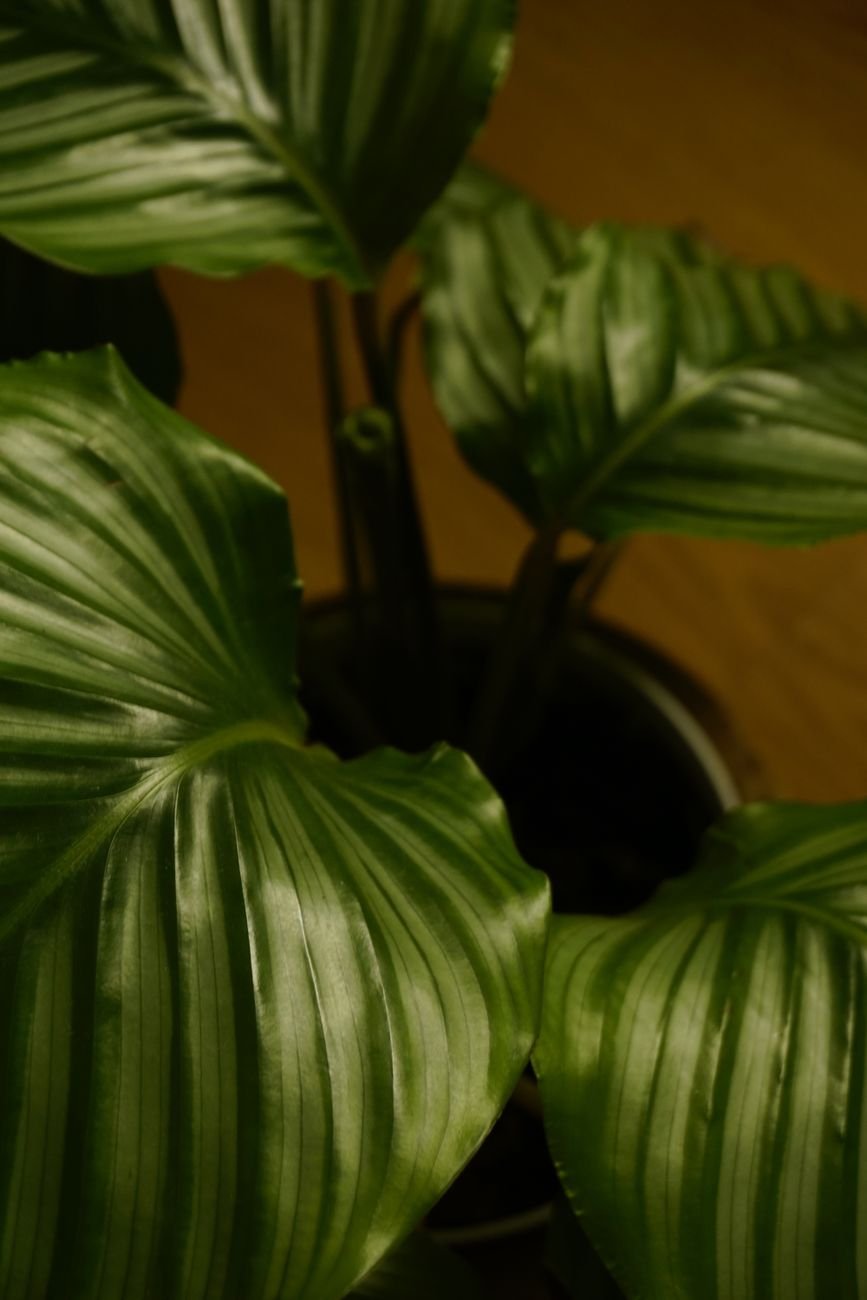
The Calathea orbifolia, with its striking, round, striped leaves, is a showstopper in any indoor plant collection. However, its beauty comes with a reputation for being a bit demanding. Fear not! This comprehensive guide will equip you with the knowledge and skills to cultivate a thriving orbifolia and enjoy its stunning foliage for years to come. We’ll cover everything from watering techniques to humidity control and troubleshooting common problems.
Why Calathea Orbifolia is Worth the Effort
Despite their reputation, Calathea orbifolias are not impossible to care for. Understanding their specific needs is the key to success. These plants are native to the rainforests of Brazil, so mimicking their natural environment is crucial. The reward? A vibrant, air-purifying plant that adds a touch of tropical elegance to your home.
Watering Your Calathea Orbifolia: The Art of Balance
Watering is arguably the most critical aspect of Calathea orbifolia care. Overwatering and underwatering are both common pitfalls that can lead to problems. The goal is to keep the soil consistently moist, but never soggy.
Understanding the Watering Needs
Calathea orbifolias are sensitive to hard water and the chemicals found in tap water. Use filtered, distilled, or rainwater whenever possible. Let the water sit out overnight to allow chlorine to dissipate.
- Check the Soil Moisture: Before watering, insert your finger about an inch into the soil. If it feels dry, it’s time to water. A moisture meter, such as the Sustee Aquameter, can be a helpful tool for accurately gauging soil moisture levels.
- Water Thoroughly: When you water, saturate the soil until water drains from the drainage holes. This ensures that the entire root system is hydrated.
- Empty the Saucer: After watering, immediately empty the saucer beneath the pot to prevent the plant from sitting in standing water, which can lead to root rot.
- Adjust Seasonally: During the active growing season (spring and summer), you’ll likely need to water more frequently than in the dormant season (fall and winter).
Signs of Overwatering and Underwatering
Recognizing the signs of incorrect watering is crucial for correcting the issue promptly.
- Overwatering: Yellowing leaves, especially at the bottom of the plant, wilting despite moist soil, and a musty odor emanating from the soil are all signs of overwatering.
- Underwatering: Crispy, brown leaf edges, curling leaves, and dry, compacted soil indicate underwatering.
Humidity: Recreating the Rainforest Environment
Calathea orbifolias thrive in high humidity environments, mimicking their natural rainforest habitat. Aim for a humidity level of 60% or higher.
Increasing Humidity Levels
There are several ways to increase humidity around your Calathea orbifolia:
- Humidifier: A humidifier, such as the LEVOIT Humidifier, is the most effective way to maintain consistent humidity levels.
- Pebble Tray: Place the pot on a tray filled with pebbles and water. As the water evaporates, it increases the humidity around the plant. Make sure the pot is not sitting directly in the water to prevent root rot.
- Grouping Plants: Grouping plants together creates a microclimate with higher humidity.
- Misting: Misting can provide a temporary boost of humidity, but it’s not a long-term solution. Be sure to mist in the morning to allow the leaves to dry before nightfall, which can help prevent fungal diseases.
Signs of Low Humidity
Brown, crispy leaf edges are the most common sign of low humidity. The leaves may also curl inward in an attempt to conserve moisture.
Light Requirements: Bright, Indirect Sunlight is Key
Calathea orbifolias prefer bright, indirect sunlight. Direct sunlight can scorch their delicate leaves. An east-facing window is often ideal, or a spot a few feet away from a south- or west-facing window. Avoid placing your plant in direct sunlight, especially during the hottest part of the day.
Signs of Incorrect Lighting
- Too Much Light: Scorched or faded leaves indicate that the plant is receiving too much direct sunlight.
- Too Little Light: Leggy growth (long stems with few leaves) and a loss of vibrancy in the leaf patterns suggest that the plant is not receiving enough light.
If you don’t have adequate natural light, consider using a grow light, such as the SANSI LED Grow Light, to supplement the plant’s light needs.
Soil and Repotting: Choosing the Right Mix
Calathea orbifolias prefer well-draining, slightly acidic soil. A mixture of peat moss, perlite, and vermiculite is a good option. You can also use a commercially available potting mix formulated for tropical plants.
Repotting
Repot your Calathea orbifolia every 1-2 years, or when it becomes root-bound. Choose a pot that is only slightly larger than the previous one. Repotting during the spring or summer allows the plant to recover more quickly.
Fertilizing: Nourishing Your Orbifolia
Fertilize your Calathea orbifolia during the growing season (spring and summer) with a balanced liquid fertilizer diluted to half strength. Fertilize every 2-4 weeks. Avoid fertilizing during the dormant season (fall and winter).
Common Problems and Solutions
While Calathea orbifolias can be prone to certain problems, most issues can be resolved with proper care and attention.
Pests
Calathea orbifolias can be susceptible to pests such as spider mites, mealybugs, and aphids. Regularly inspect your plant for signs of infestation.
- Spider Mites: Look for fine webbing on the undersides of the leaves. Treat with insecticidal soap or neem oil.
- Mealybugs: These white, cottony pests can be removed with a cotton swab dipped in rubbing alcohol.
- Aphids: These small, green pests can be washed off with a strong stream of water or treated with insecticidal soap.
Leaf Spot
Leaf spot is a fungal disease that can cause brown or black spots on the leaves. Improve air circulation and avoid overhead watering to prevent leaf spot. Treat with a fungicide if necessary.
Root Rot
Root rot is caused by overwatering and poor drainage. Remove the affected roots and repot the plant in fresh, well-draining soil. Ensure that the pot has adequate drainage holes.
Calathea Orbifolia Care: A Seasonal Guide
| Season | Watering | Humidity | Light | Fertilizing |
|---|---|---|---|---|
| Spring | Water when the top inch of soil is dry. | Maintain high humidity (60% or higher). | Bright, indirect sunlight. | Fertilize every 2-4 weeks. |
| Summer | Water more frequently, as the plant is actively growing. | Maintain high humidity (60% or higher). | Bright, indirect sunlight. | Fertilize every 2-4 weeks. |
| Fall | Reduce watering frequency. | Maintain high humidity (60% or higher). | Bright, indirect sunlight. | Stop fertilizing. |
| Winter | Water sparingly, allowing the soil to dry out slightly between waterings. | Maintain high humidity (60% or higher). | Bright, indirect sunlight. | Do not fertilize. |
Propagation: Expanding Your Calathea Collection
Calathea orbifolias can be propagated by division. This is best done during repotting.
- Carefully Remove the Plant: Gently remove the plant from its pot.
- Divide the Rhizomes: Separate the rhizomes (underground stems) into individual plants, ensuring that each division has roots and leaves.
- Pot the Divisions: Plant each division in its own pot filled with well-draining potting mix.
- Water and Care: Water thoroughly and provide the same care as a mature Calathea orbifolia.
Embrace the Beauty of Calathea Orbifolia
With the right care and attention, your Calathea orbifolia will thrive and become a stunning centerpiece in your home. Don’t be discouraged by its reputation – with this guide, you’re well-equipped to provide the optimal environment for this beautiful plant.
Frequently Asked Questions (FAQ)
Why are the leaves of my Calathea orbifolia curling?
Curling leaves are often a sign of low humidity or underwatering. Increase the humidity around the plant and ensure that the soil is consistently moist, but not soggy.
Why are the leaves of my Calathea orbifolia turning brown?
Brown leaf edges are typically caused by low humidity, dry soil, or exposure to direct sunlight. Address these issues to improve the plant’s health.
How often should I water my Calathea orbifolia?
Water when the top inch of soil feels dry to the touch. The frequency will vary depending on the season, humidity, and temperature.
What type of soil is best for Calathea orbifolia?
A well-draining, slightly acidic soil is ideal. A mixture of peat moss, perlite, and vermiculite works well, or you can use a commercially available potting mix formulated for tropical plants.
Is Calathea orbifolia toxic to pets?
No, Calathea orbifolia is considered non-toxic to cats and dogs, making it a pet-friendly option for plant lovers.
How do I get rid of pests on my Calathea orbifolia?
Treat pests such as spider mites, mealybugs, and aphids with insecticidal soap, neem oil, or by manually removing them with a cotton swab dipped in rubbing alcohol. Regularly inspect your plant for signs of infestation.
Pro Tips for Advanced Calathea Orbifolia Cultivation
Beyond the basics, achieving truly spectacular Calathea Orbifolia growth requires a nuanced understanding of its specific needs. Here are some insights from seasoned growers:
1. The “Rainwater Only” Revelation (or Filtered Alternative)
While often mentioned, the impact of water quality on Calathea Orbifolia is severely underestimated. These plants are exceptionally sensitive to fluoride, chlorine, and mineral salts commonly found in tap water. Over time, these can lead to chronic brown tips and edges, even in high humidity. Our advanced tip: Collect rainwater if feasible, or invest in a high-quality reverse osmosis (RO) filter. Failing that, distilled water mixed with a tiny amount of balanced liquid fertilizer (to reintroduce trace minerals) is a good substitute. Let tap water sit out for 24-48 hours to off-gas chlorine, but be aware this doesn’t remove fluoride or mineral salts.
2. Substrate Aeration and Root Zone Health
Calatheas, and Orbifolia in particular, are prone to root rot if their substrate remains waterlogged, despite their love for consistent moisture. The key isn’t just drainage holes, but the physical structure of the potting mix. Our advanced tip: Aim for a mix that holds moisture but is exceptionally airy. A blend of coco coir, coarse perlite (not fine), orchid bark, and a touch of worm castings creates an ideal environment. Regularly check the top 1-2 inches for dryness before watering, but also consider the weight of the pot as an indicator of overall moisture. A heavy pot means plenty of water, even if the surface is dry.
3. Microclimate Zones & Humidity Cycling
Simply placing a humidifier nearby isn’t always enough. Calathea Orbifolia thrives on consistent, high humidity (ideally 60-80%), but also benefits from slight fluctuations that mimic its natural environment, discouraging fungal growth. Our advanced tip: Create a dedicated microclimate. Consider a small, enclosed plant cabinet or a cloche for younger plants. For larger specimens, place them grouped with other high-humidity plants. Crucially, allow for a slight dip in humidity overnight (e.g., to 50-55%) and a rise during the day. This natural cycling, combined with good air circulation from a gentle fan, prevents stagnant, overly saturated conditions that can lead to bacterial or fungal issues.
Frequently Asked Questions (FAQ)
How can I prevent chronic brown tips and edges on my Calathea Orbifolia, even with high humidity?
Chronic brown tips and edges, even when humidity is sufficient, are often a strong indicator of water quality issues. Calathea Orbifolia is highly sensitive to chemicals like fluoride and chlorine, and accumulated mineral salts found in tap water. To mitigate this, switch to distilled water, reverse osmosis (RO) filtered water, or collected rainwater. If using tap water is unavoidable, let it sit out for at least 24 hours to allow chlorine to dissipate, but be aware this does not remove fluoride or other mineral contaminants. Regular flushing of the soil every few months with distilled water can also help prevent salt buildup.
What are the best advanced techniques for propagating Calathea Orbifolia?
The most reliable advanced propagation method for Calathea Orbifolia is division, ideally during repotting in spring or early summer when the plant is actively growing. Carefully unpot the plant and gently tease apart the root ball, identifying natural separation points where distinct clumps of rhizomes and foliage can be divided. Ensure each division has a healthy section of rhizome, at least 2-3 leaves, and a good root system. Plant each division in a small pot with a well-draining, airy aroid mix, and provide high humidity (70-80%) and warmth. Avoid overwatering the fresh divisions, as their compromised root systems are more susceptible to rot. Dome or bag the newly potted divisions to maintain consistent humidity and aid in recovery.
My Calathea Orbifolia’s leaves are curling inward during the day, but it’s not dry. What could be the issue?
If your Calathea Orbifolia’s leaves are curling inward during the day despite adequate soil moisture, it’s likely a stress response to insufficient humidity or excessive light. While they naturally fold their leaves at night (nyctinasty), daytime curling indicates the plant is trying to conserve moisture. First, rigorously check your humidity levels with a hygrometer; aim for 60% or higher. If humidity is fine, consider the light intensity. Even ‘indirect light’ can be too bright if it’s sustained for too long or comes from a very large window. Move the plant further from the light source or add sheer curtains to diffuse it. Over-fertilization or extreme temperature fluctuations can also cause curling, so review your feeding schedule and ensure stable room temperatures.