
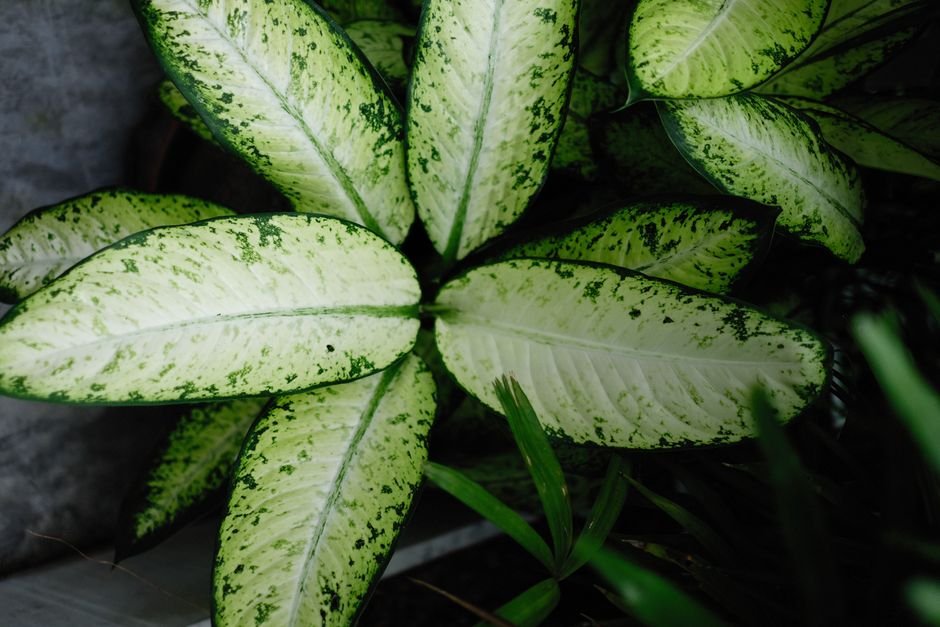

Welcome, fellow plant enthusiasts! As a senior horticulturist at PlantsMag.com, I’m thrilled to guide you through the rewarding journey of caring for one of the most striking and popular houseplants: the Dieffenbachia, often affectionately (or cautiously) known as Dumb Cane. Renowned for its lush, variegated foliage, the Dieffenbachia plant adds a touch of tropical elegance to any indoor space. However, mastering Dieffenbachia care requires understanding its specific needs, especially for those of us in US homes. While beautiful, it’s vital to remember its common name isn’t just a quirky moniker; the plant contains calcium oxalate crystals that can cause temporary irritation if ingested, hence the importance of proper placement away from curious pets and children. Let’s dive into cultivating a truly thriving Dumb Cane.
Understanding Dieffenbachia: The Dumb Cane Basics
Dieffenbachia species, native to the tropical rainforests of Central and South America, are celebrated for their large, often patterned leaves. From the striking ‘Camilla’ with its creamy white centers to the vibrant ‘Tropic Snow’ or ‘Reflector,’ there’s a Dieffenbachia variety to suit every aesthetic. These plants are relatively low-maintenance once their basic requirements are met, making them an excellent choice for both novice and experienced plant parents. Remember, consistent care is key to preventing common issues and encouraging vigorous growth. Its dramatic foliage can grow quite large, making it a fantastic focal point in any room.
Optimal Lighting for Dieffenbachia
Dieffenbachia thrives in bright, indirect light. Think of its natural habitat: dappled light filtering through a dense canopy. Direct, harsh sunlight, especially during the peak afternoon hours, can scorch its delicate leaves, leading to unsightly brown patches. Conversely, too little light will cause the plant to become leggy, with sparse, smaller leaves and diminished variegation. An east-facing window is often ideal, providing gentle morning sun, or a few feet away from a south or west-facing window where light is abundant but not direct. Rotate your plant every few weeks to ensure even growth.
Grow Light Solutions for Low-Light Homes
If your home lacks sufficient natural light, a supplemental grow light can be a game-changer for your Dieffenbachia. Full-spectrum LED grow lights, such as those from reputable brands like SANSI or GE, are energy-efficient and mimic natural sunlight, promoting healthy growth and vibrant foliage. Position the grow light about 12-18 inches above the plant for 10-12 hours a day. This is particularly beneficial during shorter winter days or in rooms with minimal window access, ensuring your Dumb Cane receives the consistent illumination it needs to thrive.
Watering Dieffenbachia Correctly
The most common mistake in Dieffenbachia care is overwatering, which can quickly lead to root rot. Allow the top 1-2 inches of soil to dry out completely before watering again. When you do water, do so thoroughly until water drains from the bottom of the pot. Always discard any standing water in the saucer to prevent your plant from sitting in soggy conditions. A reliable moisture meter, like the XLUX T10 or Sustee Aquameter, can be an invaluable tool to accurately assess soil moisture levels and prevent guesswork, ensuring your plant gets just the right amount of hydration.
Soil and Potting for Healthy Growth
Dieffenbachia prefers a well-draining, aerated potting mix that retains some moisture without becoming waterlogged. A good quality indoor potting mix, such as Foxfarm Ocean Forest or Espoma Organic Potting Mix, amended with perlite or orchid bark (about a 3:1 ratio of soil to amendments), provides the ideal environment for its roots. Ensure your pot has adequate drainage holes. Terracotta pots can help with aeration and prevent overwatering, while plastic pots retain moisture longer.
Repotting Best Practices for Dieffenbachia
Repot your Dieffenbachia every 1-2 years, or when you notice roots emerging from the drainage holes, or if the plant’s growth has significantly slowed. Spring or early summer is the best time to repot, as the plant is entering its active growing phase. Choose a pot that is only one size larger than the current one (e.g., from a 6-inch to an 8-inch pot) to avoid overwhelming the root system with too much new soil, which can lead to moisture issues. When repotting, gently loosen the root ball, remove any circling or dead roots, and replant in fresh potting mix.
Temperature, Humidity, and Fertilization
As a tropical plant, Dieffenbachia appreciates warm temperatures, ideally between 65-80°F (18-27°C). Avoid exposing it to temperatures below 60°F (15°C) or sudden cold drafts, which can cause leaf yellowing and stress. High humidity is also beneficial. Aim for 60% relative humidity or higher. You can increase humidity by misting daily, placing the pot on a pebble tray filled with water, or using a small room humidifier. During the growing season (spring and summer), feed your Dieffenbachia monthly with a balanced liquid houseplant fertilizer, diluted to half strength. Products like Liqui-Dirt or Dyna-Gro Grow 7-9-5 are excellent choices. Reduce feeding to every other month in fall and cease entirely in winter when growth slows.
Common Pests and Problems
While generally robust, Dieffenbachia can occasionally encounter pests like spider mites, mealybugs, and aphids. Inspect your plant regularly, especially the undersides of leaves. If you spot pests, isolate the plant and treat it with an insecticidal soap or neem oil solution. Yellowing leaves often indicate overwatering or nutrient deficiency, while brown, crispy edges suggest low humidity or underwatering. Leggy growth points to insufficient light. Addressing these issues promptly will help maintain your plant’s health and vigor.
Propagating Your Dieffenbachia
Propagating Dieffenbachia is a rewarding way to create new plants or rejuvenate an old, leggy specimen. Stem cuttings are the most common and successful method:
- Prepare Your Cutting: Using clean, sharp pruners, take a stem cutting about 4-6 inches long, ensuring it has at least 2-3 nodes (the bumps where leaves emerge). Remove any lower leaves.
- Allow to Callus: Let the cutting air dry for a few hours or overnight to form a callus over the cut end. This helps prevent rot.
- Rooting Medium: You can root Dieffenbachia cuttings in water or directly in a moist, well-draining potting mix. If using water, change it every few days.
- Provide Warmth and Humidity: Place the cutting in a warm spot with indirect light. For rooting in soil, cover the pot with a plastic bag or dome to create a mini-greenhouse effect, increasing humidity.
- Patience is Key: Roots typically form within 4-8 weeks. Once a healthy root system has developed (about 1-2 inches long), plant the cutting in its own pot with appropriate soil.
Dieffenbachia Care Quick Reference
| Care Aspect | Requirement |
|---|---|
| Light | Bright, indirect light; avoid direct sun. Supplemental grow light for low-light areas. |
| Water | Allow top 1-2 inches of soil to dry before watering thoroughly. Avoid soggy conditions. |
| Humidity | High (60%+ preferred). Mist, pebble tray, or humidifier. |
| Soil | Well-draining, aerated potting mix (e.g., indoor mix with perlite/orchid bark). |
| Temperature | 65-80°F (18-27°C). Avoid drafts and temperatures below 60°F (15°C). |
| Fertilization | Monthly with diluted balanced liquid fertilizer during growing season (spring-summer). |
Frequently Asked Questions About Dieffenbachia Care
Is Dieffenbachia toxic to pets and children?
Yes, Dieffenbachia (Dumb Cane) contains calcium oxalate crystals, which can cause oral irritation, burning, swelling, and difficulty swallowing if ingested. It’s crucial to keep this plant out of reach of pets and small children. Always wear gloves when handling the plant, especially when pruning or repotting, and wash hands thoroughly afterward.
Why are my Dieffenbachia leaves turning yellow?
Yellowing leaves often indicate overwatering, which leads to root rot. Ensure you’re letting the top soil dry out between waterings. Other causes can include nutrient deficiencies, too much direct sunlight, or cold drafts. Check your watering schedule, light exposure, and consider a balanced fertilizer if needed.
How often should I fertilize my Dumb Cane?
During the active growing season (spring and summer), fertilize your Dieffenbachia once a month with a balanced liquid houseplant fertilizer diluted to half strength. Reduce feeding in fall and cease completely in winter when the plant’s growth naturally slows down.
Can I place my Dieffenbachia outdoors in the US?
Dieffenbachia can be moved outdoors during warm summer months in USDA Hardiness Zones 10-12, where temperatures consistently stay above 60°F (15°C). Place it in a shady or partially shaded location to protect it from direct sun, which can scorch its leaves. Bring it indoors before temperatures drop in the fall.
My Dieffenbachia is getting leggy. What should I do?
Leggy growth, characterized by long, bare stems with sparse leaves, usually indicates insufficient light. Move your plant to a brighter spot with indirect light, or supplement with a grow light. You can also prune back the leggy stems to encourage bushier growth; these cuttings can often be used for propagation.
With this comprehensive Dieffenbachia care guide, you’re well-equipped to provide your Dumb Cane with the ideal conditions it needs to flourish. Enjoy the vibrant beauty and tropical flair this remarkable plant brings to your US home!