

Ficus Audrey vs. Fiddle Leaf Fig: A Head-to-Head Houseplant Showdown
The Fiddle Leaf Fig ( *Ficus lyrata*) has reigned supreme as the darling of the indoor plant world for years. Its dramatic, violin-shaped leaves make a bold statement in any room. However, a worthy contender has emerged: the Ficus Audrey (*Ficus benghalensis*). This stunning tree, with its velvety, oval leaves and graceful form, is quickly gaining popularity among plant enthusiasts. But which one is right for you? This comprehensive guide dives deep into the Ficus Audrey vs. Fiddle Leaf Fig debate, exploring their similarities, differences, care requirements, and more to help you make the perfect choice for your home.
Why the Hype Around Ficus Plants?
Ficus plants, in general, are prized for their aesthetic appeal and air-purifying qualities. They add a touch of nature indoors, creating a more inviting and relaxing atmosphere. Both the Fiddle Leaf Fig and Ficus Audrey are relatively low-maintenance once you understand their needs, making them rewarding plants to grow. However, they each have their quirks and preferences, which we’ll explore in detail.
Appearance: A Side-by-Side Comparison
While both are undeniably beautiful, the Fiddle Leaf Fig and Ficus Audrey have distinct visual characteristics.
* **Fiddle Leaf Fig (*Ficus lyrata*):** Known for its large, deeply lobed leaves that resemble the shape of a fiddle or violin. The leaves are thick, leathery, and have prominent veins. It typically grows as a single-trunk tree.
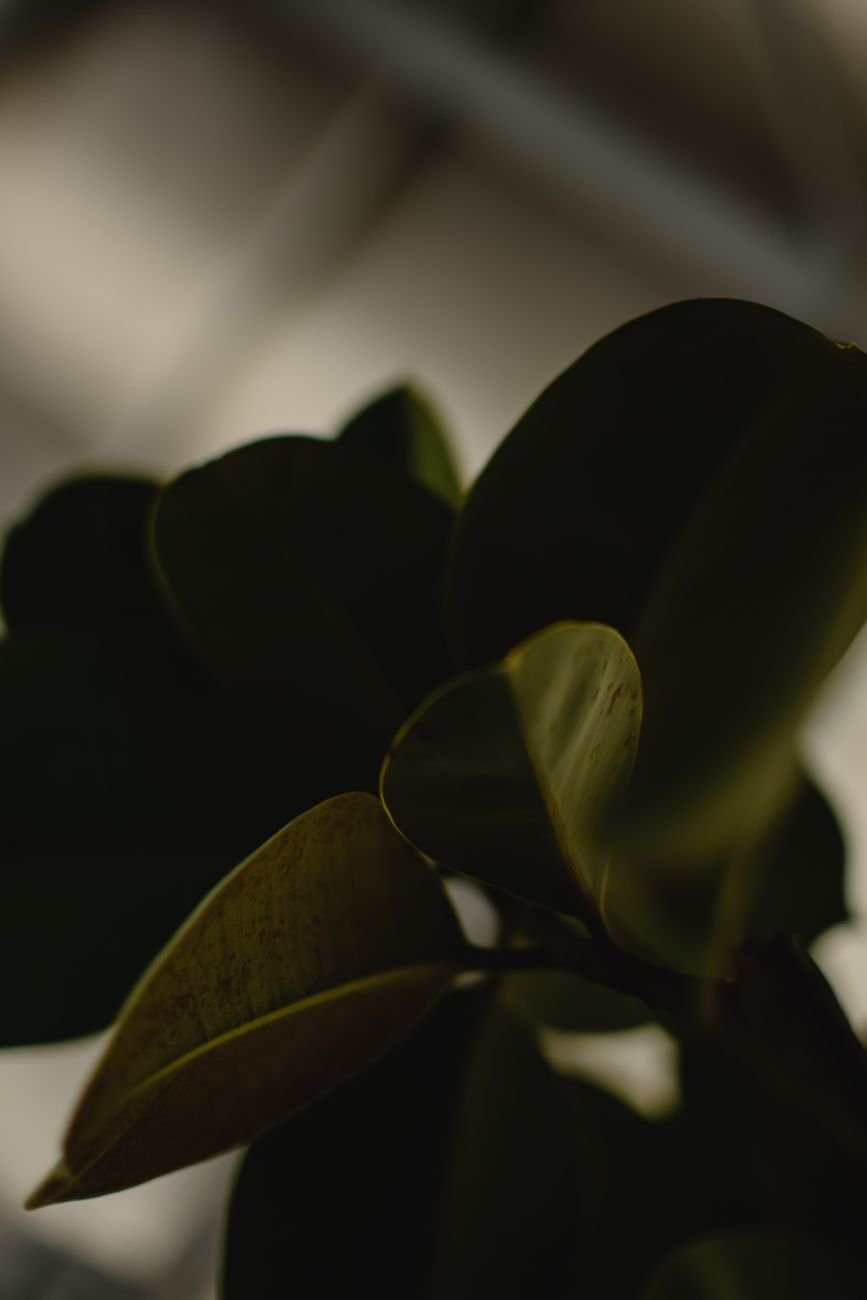
* **Ficus Audrey (*Ficus benghalensis*):** Features oval-shaped leaves that are smaller and softer than those of the Fiddle Leaf Fig. The leaves have a velvety texture and a more subtle veining pattern. It can grow as a single-trunk tree or develop aerial roots in its natural habitat, creating a more bushy appearance.
Leaf Texture and Shape
The texture is a key differentiator. The Fiddle Leaf Fig’s leaves are rigid and glossy, while the Ficus Audrey’s leaves are soft and almost matte. The shape also contributes to their distinct looks. The Fiddle Leaf Fig’s dramatic lobes are eye-catching, while the Audrey’s oval shape is more understated and elegant.
Growth Habit and Size
Both plants can reach impressive heights indoors, but their growth habits differ. The Fiddle Leaf Fig tends to grow more vertically, while the Ficus Audrey can become wider, especially if it develops aerial roots. Consider the space you have available when making your decision. A Fiddle Leaf Fig might be a better choice for a narrow corner, while a Ficus Audrey might thrive in a more open area.
Care Requirements: Similarities and Differences
Both Ficus Audrey and Fiddle Leaf Figs demand specific care to thrive indoors. Understanding these needs is crucial for success.
Light Requirements
Both plants prefer bright, indirect light. Direct sunlight can scorch their leaves, while insufficient light can lead to leggy growth and leaf drop. An east-facing window or a spot near a south-facing window with sheer curtains is ideal. Consider supplementing with a grow light, like this popular LED grow light, if you don’t have enough natural light.
Watering Needs
Watering is where many plant owners struggle. Both plants are susceptible to root rot if overwatered. Allow the top inch or two of soil to dry out before watering thoroughly. Use a moisture meter, such as this reliable soil moisture meter, to gauge the moisture level accurately. During the winter months, reduce watering frequency as the plant’s growth slows down.
Soil and Potting
Well-draining soil is essential. A mix of potting soil, perlite, and orchid bark works well for both plants. Choose a pot with drainage holes to prevent water from accumulating at the bottom. Repot your plant every 1-2 years, or when it becomes root-bound. Consider using a specialized Fiddle Leaf Fig potting mix or a similar blend for the Ficus Audrey to ensure optimal drainage and nutrient availability.
Humidity and Temperature
Both plants prefer moderate to high humidity. You can increase humidity by misting the leaves regularly, using a humidifier, or placing the plant on a pebble tray filled with water. Maintain a consistent temperature between 65°F and 75°F (18°C and 24°C). Avoid placing your plant near drafts or heating vents.
Fertilizing
Fertilize your Ficus Audrey and Fiddle Leaf Fig during the growing season (spring and summer) with a balanced liquid fertilizer. Follow the instructions on the fertilizer label. Avoid fertilizing during the winter months when the plant is dormant.
Troubleshooting Common Problems
Even with the best care, you might encounter some common problems. Here’s how to address them:
* **Leaf Drop:** Can be caused by overwatering, underwatering, insufficient light, drafts, or sudden changes in temperature. Adjust your care routine accordingly.
* **Brown Spots:** Often a sign of overwatering or fungal infection. Ensure proper drainage and avoid overhead watering. Use a fungicide if necessary.
* **Pest Infestations:** Mealybugs, spider mites, and scale can infest Ficus plants. Inspect your plant regularly and treat any infestations promptly with insecticidal soap or neem oil.
Table: Ficus Audrey vs. Fiddle Leaf Fig – A Quick Comparison
| Feature | Ficus Audrey (*Ficus benghalensis*) | Fiddle Leaf Fig (*Ficus lyrata*) |
|---|---|---|
| Leaf Shape | Oval | Fiddle/Violin |
| Leaf Texture | Velvety | Leathery |
| Light Requirements | Bright, Indirect | Bright, Indirect |
| Watering | Allow top 1-2″ of soil to dry | Allow top 1-2″ of soil to dry |
| Humidity | Moderate to High | Moderate to High |
| Growth Habit | Tree-like, can develop aerial roots | Single trunk tree |
| Difficulty | Slightly Easier | Slightly More Difficult |
Step-by-Step Guide to Caring for Your Ficus
Whether you choose a Ficus Audrey or a Fiddle Leaf Fig, these steps will help you provide the best care:
- **Choose the Right Location:** Select a spot with bright, indirect light. Avoid direct sunlight, which can scorch the leaves.
- **Water Properly:** Allow the top inch or two of soil to dry out before watering thoroughly. Use a moisture meter to gauge the moisture level accurately.
- **Provide Adequate Humidity:** Mist the leaves regularly, use a humidifier, or place the plant on a pebble tray filled with water.
- **Fertilize Regularly:** Feed your plant with a balanced liquid fertilizer during the growing season (spring and summer).
- **Repot When Necessary:** Repot your plant every 1-2 years, or when it becomes root-bound.
- **Monitor for Pests:** Inspect your plant regularly for signs of pests and treat any infestations promptly.
- **Prune as Needed:** Prune your plant to maintain its shape and encourage bushier growth.
- **Rotate Regularly:** Rotate your plant every few weeks to ensure even growth on all sides.
Which Ficus is Right for You?
The choice between a Ficus Audrey and a Fiddle Leaf Fig ultimately comes down to personal preference and your specific growing conditions.
* **Choose Ficus Audrey if:**
* You prefer a softer, more velvety leaf texture.
* You want a slightly easier-to-care-for plant.
* You like the possibility of aerial roots developing.
* **Choose Fiddle Leaf Fig if:**
* You love the dramatic look of its large, lobed leaves.
* You’re willing to dedicate the time and attention required for its care.
* You prefer a more upright, single-trunk tree.
No matter which Ficus you choose, with proper care and attention, you can enjoy its beauty and benefits for years to come. Consider purchasing your new Ficus from a reputable online nursery or local garden center to ensure you’re getting a healthy, well-established plant. Don’t forget essential supplies like a stylish plant pot to showcase your new green friend.
Internal Linking Opportunities
For more in-depth information on specific care topics, check out these related articles:
* Learn about the best soil for fiddle leaf figs for optimal growth.
* Discover effective pest control methods for indoor plants to keep your Ficus healthy.
* Explore the benefits of using grow lights for indoor plants during the darker months.
FAQ: Ficus Audrey and Fiddle Leaf Fig
Are Ficus Audrey and Fiddle Leaf Fig toxic to pets?
Yes, both Ficus Audrey and Fiddle Leaf Fig are considered toxic to cats and dogs. They contain sap that can cause irritation to the mouth and stomach if ingested. Keep them out of reach of pets or consider pet-safe alternatives.
How often should I repot my Ficus Audrey or Fiddle Leaf Fig?
Repot your Ficus Audrey or Fiddle Leaf Fig every 1-2 years, or when it becomes root-bound. Signs of being root-bound include roots circling the bottom of the pot or growing out of the drainage holes.
Why are the leaves on my Ficus Audrey turning yellow?
Yellowing leaves can be caused by a variety of factors, including overwatering, underwatering, insufficient light, nutrient deficiencies, or pest infestations. Assess your care routine and adjust accordingly.
How can I encourage my Ficus Audrey to develop aerial roots?
Provide high humidity and bright, indirect light. You can also gently wrap the stems with sphagnum moss to encourage root development.
What is the best way to clean the leaves of my Ficus Audrey or Fiddle Leaf Fig?
Gently wipe the leaves with a damp cloth to remove dust and debris. This will help the plant absorb light more efficiently.
Expert Botanist Pro Tips for Ficus Audrey & Fiddle Leaf Fig Care
Leveraging years of experience cultivating a diverse range of Ficus, here are advanced insights to truly master the care of your Ficus Audrey and Fiddle Leaf Fig, ensuring not just survival, but thriving growth and aesthetic excellence.
1. Mastering Acclimatization and Microclimates for Longevity
Both Ficus varieties are notoriously sensitive to environmental shifts. The key to long-term success lies in meticulous acclimatization. When introducing a new plant, or even relocating an existing one, implement a gradual transition over 2-4 weeks. Start with slightly less intense light than intended, slowly moving it to its final, brighter spot. Crucially, identify and understand the microclimates within your home. A corner might receive direct afternoon sun for only an hour, while a seemingly similar spot just a few feet away might get reflected light all day. Use a light meter (even a basic smartphone app can provide valuable data) to map out these zones. Ficus Audrey, while more tolerant, still benefits immensely from this stability, preventing the leaf drop often misattributed to watering issues. For Fiddle Leaf Figs, even a slight draft from an HVAC vent can cause localized stress and browning.
2. The Unseen Battle: Optimizing Root Zone Health Beyond Drainage
While everyone stresses “well-draining soil,” true expertise goes deeper. It’s not just about water passing through; it’s about aeration and microbial activity. For both Ficus, especially the Fiddle Leaf Fig, aim for a substrate that offers excellent porosity and oxygen exchange. A premium mix might include a significant percentage of perlite, coarse orchid bark, pumice, or even leca for aeration, blended with high-quality coco coir or peat for moisture retention. Consider inoculating your soil with beneficial mycorrhizal fungi. These fungi form symbiotic relationships with the plant’s roots, vastly improving nutrient and water uptake, and enhancing resilience against root pathogens. Regularly (every 6-12 months) check the top few inches of soil for compaction and gently aerate with a chopstick or thin dowel, being careful not to damage roots.
3. Proactive Pest Surveillance: The Integrated Pest Management Advantage
Given the large, broad leaves of both Ficus Audrey and Fiddle Leaf Fig, they present ample surface area for pests like spider mites, mealybugs, and scale. An expert approach involves proactive, integrated pest management (IPM) rather than reactive treatment. Implement a weekly ritual of inspecting the undersides of leaves, especially along veins and in leaf axils, using a magnifying glass if necessary. Maintain optimal humidity levels (ideally 60%+ for Fiddle Leaf Figs) as dry conditions exacerbate spider mite infestations. Introduce beneficial insects (e.g., predatory mites) preventatively if you have a history of pest issues or a large collection. For minor infestations, a targeted application of insecticidal soap or neem oil is effective, but consistency is paramount. Never wait until the infestation is visible from a distance; by then, significant damage has likely occurred.
Frequently Asked Questions: Ficus Audrey vs Fiddle Leaf Fig
Q1: How do the watering needs of Ficus Audrey compare to Fiddle Leaf Fig, especially regarding root rot susceptibility?
While both Ficus species require careful watering to prevent root rot, the Fiddle Leaf Fig (Ficus lyrata) is notoriously more susceptible. Its roots are highly prone to suffocation in waterlogged soil, demanding that the top 2-3 inches of soil dry out completely between waterings, and often even allowing the pot to feel noticeably lighter. Consistent overwatering is the primary killer of Fiddle Leaf Figs. Ficus Audrey (Ficus benghalensis ‘Audrey’), on the other hand, is slightly more forgiving. It prefers consistently moist, but never soggy, soil. The top inch or two can dry out, but it doesn’t require the same level of dryness as the Fiddle Leaf Fig before rewatering. For both, excellent drainage is non-negotiable, and using a moisture meter can be a valuable tool, but always confirm with your finger.
Q2: Beyond light, what are the critical environmental factors that differentiate the optimal growth of Ficus Audrey and Fiddle Leaf Fig indoors?
Beyond their shared need for bright, indirect light, several other environmental factors significantly influence their indoor success. Humidity is a major differentiator: Fiddle Leaf Figs thrive in high humidity (60%+) and will often show browning leaf edges or tips in dry environments. Ficus Audrey is more adaptable to average household humidity levels (40-50%) but still appreciates higher moisture. Temperature stability is crucial for both; sudden drops or drafts can cause shock and leaf drop, with Fiddle Leaf Figs being particularly dramatic in their response. Both prefer temperatures between 65-80°F (18-27°C). Finally, air circulation is important; good airflow helps prevent fungal issues and deters pests, though neither plant appreciates direct, strong drafts from vents or open windows.
Q3: For a beginner plant parent seeking a large, statement Ficus, which plant offers a more robust and forgiving experience?
For a beginner plant parent aiming for a large, impactful Ficus, the Ficus Audrey is generally the more robust and forgiving choice. While no Ficus is truly “easy,” Audrey tends to be less temperamental than its Fiddle Leaf Fig counterpart. It tolerates slightly lower light conditions without as much protest, is less prone to dramatic leaf drop from minor environmental changes, and its watering needs, while still precise, are a bit more forgiving of slight deviations. Fiddle Leaf Figs are known for their high demands regarding light, humidity, and watering consistency, often leading to frustration for new plant owners. Ficus Audrey offers a beautiful, elegant aesthetic with a somewhat gentler learning curve, making it a better entry point into the world of large indoor Ficus trees.