
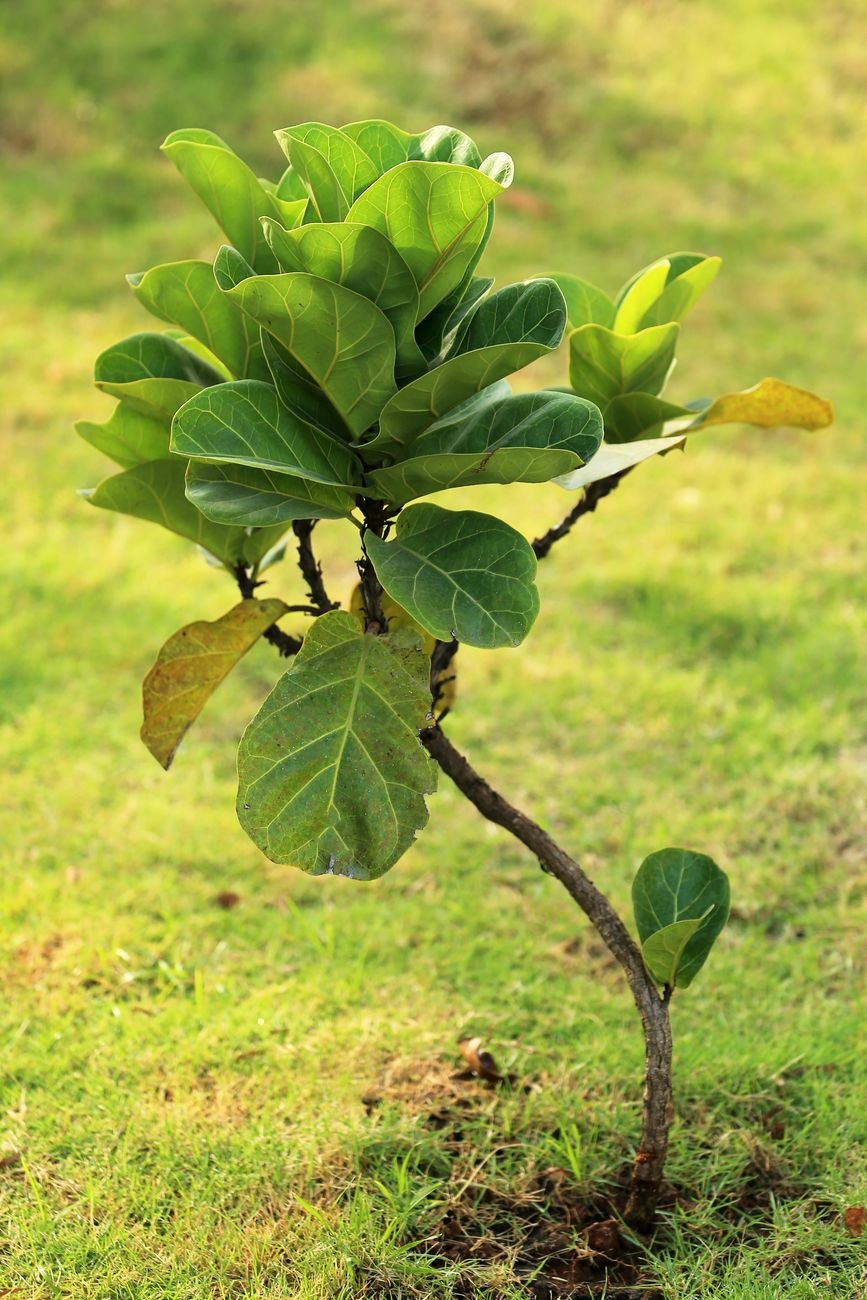

Fiddle Leaf Fig Brown Spots: A Comprehensive Guide to Diagnosis and Treatment
The Fiddle Leaf Fig (Ficus lyrata) is a stunning statement plant, prized for its large, violin-shaped leaves. However, these magnificent leaves are also prone to developing unsightly brown spots, which can be a major source of frustration for plant owners. Understanding the causes of these spots and how to treat them is crucial for keeping your Fiddle Leaf Fig healthy and thriving.
Why Are Brown Spots Appearing on My Fiddle Leaf Fig?
Brown spots on Fiddle Leaf Figs are not a disease in themselves, but rather a symptom of an underlying problem. Identifying the root cause is the first step towards successful treatment. Here are some of the most common culprits:
1. Overwatering and Poor Drainage
Overwatering is perhaps the most frequent cause of brown spots on Fiddle Leaf Figs. When the soil remains consistently soggy, the roots suffocate and begin to rot. This root rot prevents the plant from absorbing nutrients, leading to brown spots, often starting as small, dark spots that may spread.
Poor drainage exacerbates this problem. If your pot lacks sufficient drainage holes, or if the soil is too dense and compacted, water will accumulate at the bottom, creating a breeding ground for root rot.
2. Underwatering
While overwatering is more common, underwatering can also cause brown spots. When the plant doesn’t receive enough water, the leaves will dry out and develop crispy brown edges and spots. The leaves may also droop and feel brittle.
3. Bacterial Leaf Spot
Bacterial leaf spot is a common disease that affects Fiddle Leaf Figs. It’s characterized by dark brown or black spots with a yellow halo around them. These spots may appear water-soaked at first and can eventually spread and merge, causing larger areas of damage. Poor air circulation and high humidity can contribute to the development of bacterial leaf spot.
4. Fungal Infections
Fungal infections, such as Anthracnose, can also cause brown spots on Fiddle Leaf Figs. These spots are often irregular in shape and may have a target-like appearance with concentric rings. Fungal infections thrive in humid environments and can spread quickly if left untreated.
5. Sunburn
Fiddle Leaf Figs need bright, indirect light, but they are susceptible to sunburn if exposed to direct sunlight, especially during the hottest part of the day. Sunburn typically manifests as large, pale brown or white patches on the leaves, often on the side of the plant facing the sun.
6. Low Humidity
Fiddle Leaf Figs prefer relatively high humidity levels (around 40-60%). In dry environments, the leaves can dry out and develop brown, crispy edges and tips. This is especially common during the winter months when indoor heating systems tend to reduce humidity.
7. Temperature Fluctuations
Sudden changes in temperature can stress Fiddle Leaf Figs and lead to brown spots. Avoid placing your plant near drafts from windows or doors, or near heating or cooling vents.
8. Pest Infestations
Pests like spider mites, mealybugs, and scale can weaken Fiddle Leaf Figs and make them more susceptible to brown spots. These pests suck the sap from the leaves, causing them to become discolored and damaged. Inspect your plant regularly for signs of pests, such as webbing, sticky residue, or small insects on the leaves and stems.
9. Physical Damage
Bruising or physical damage to the leaves can also result in brown spots. Handle your Fiddle Leaf Fig with care and avoid bumping or scraping the leaves.
10. Nutrient Deficiencies
While less common than other causes, nutrient deficiencies can sometimes contribute to brown spots. A lack of essential nutrients like magnesium or calcium can affect the plant’s overall health and lead to leaf discoloration. Using a balanced liquid fertilizer like Miracle-Gro Indoor Plant Food can help prevent deficiencies.
Diagnosing the Cause of Brown Spots
To accurately diagnose the cause of brown spots on your Fiddle Leaf Fig, consider the following factors:
- Location of the spots: Are they on the edges of the leaves, in the center, or scattered throughout?
- Appearance of the spots: Are they dark brown, light brown, black, or reddish? Are they dry and crispy, or soft and water-soaked?
- Pattern of spread: Are the spots spreading rapidly, or are they relatively stable?
- Environmental conditions: What is the humidity level in your home? Is the plant exposed to direct sunlight?
- Watering habits: How often do you water your plant? Does the soil dry out completely between waterings?
Treating Brown Spots on Fiddle Leaf Figs: A Step-by-Step Guide
Once you’ve identified the cause of the brown spots, you can take steps to treat the problem and prevent it from recurring. Here’s a step-by-step guide:
- Isolate the plant: If you suspect a bacterial or fungal infection, isolate your Fiddle Leaf Fig from other plants to prevent the spread of disease.
- Remove affected leaves: Use clean, sharp pruning shears or scissors to remove any leaves with significant brown spots. Disinfect the blades between cuts to prevent the spread of disease.
- Adjust your watering habits: If overwatering is the problem, allow the soil to dry out completely between waterings. Use a moisture meter to check the soil moisture level before watering. If underwatering is the issue, water more frequently, ensuring that the soil is evenly moist but not soggy.
- Improve drainage: If your pot lacks drainage holes, repot your Fiddle Leaf Fig into a pot with adequate drainage. Consider using a well-draining soil mix specifically formulated for Fiddle Leaf Figs, such as FoxFarm Ocean Forest Potting Soil.
- Increase humidity: If low humidity is the problem, increase the humidity around your plant by using a humidifier, placing it on a pebble tray filled with water, or misting the leaves regularly.
- Adjust lighting: If sunburn is the cause, move your Fiddle Leaf Fig to a location with bright, indirect light. You may also need to use sheer curtains to filter the sunlight. If your plant isn’t getting enough light, consider using a grow light.
- Treat pest infestations: If you find pests on your Fiddle Leaf Fig, treat the plant with insecticidal soap or neem oil. Follow the instructions on the product label carefully.
- Apply fungicide or bactericide: If you suspect a fungal or bacterial infection, treat the plant with an appropriate fungicide or bactericide. Follow the instructions on the product label carefully.
- Fertilize regularly: Fertilize your Fiddle Leaf Fig regularly during the growing season (spring and summer) with a balanced liquid fertilizer.
- Monitor your plant: Keep a close eye on your Fiddle Leaf Fig for any signs of new brown spots or other problems. Adjust your care routine as needed.
Preventing Brown Spots: Long-Term Care for a Healthy Fiddle Leaf Fig
Prevention is always better than cure. By providing your Fiddle Leaf Fig with the right care, you can minimize the risk of brown spots and keep your plant healthy and thriving. Here are some tips for long-term care:
- Water correctly: Water deeply when the top inch of soil is dry, allowing excess water to drain away.
- Provide bright, indirect light: Place your Fiddle Leaf Fig in a location with bright, indirect light, away from direct sunlight.
- Maintain adequate humidity: Keep the humidity level around your plant at 40-60%.
- Maintain consistent temperature: Avoid exposing your plant to sudden temperature fluctuations.
- Fertilize regularly: Fertilize your plant regularly during the growing season.
- Inspect for pests regularly: Check your plant regularly for signs of pests and treat them promptly.
- Repot as needed: Repot your Fiddle Leaf Fig every 1-2 years, or when it becomes root-bound. Choose a pot that is slightly larger than the previous one and use a well-draining soil mix.
- Provide support: As your Fiddle Leaf Fig grows taller, it may need support to prevent it from tipping over. Use a stake or trellis to provide support.
- Clean the leaves: Dust the leaves regularly with a damp cloth to keep them clean and allow them to absorb light efficiently.
Fiddle Leaf Fig Varieties: A Comparison
While the standard Fiddle Leaf Fig is the most common variety, there are several other cultivars available, each with its own unique characteristics.
| Variety | Leaf Shape | Size | Care Requirements |
|---|---|---|---|
| Standard Fiddle Leaf Fig | Large, violin-shaped | Up to 10 feet tall indoors | Bright, indirect light; moderate watering; high humidity |
| Fiddle Leaf Fig ‘Bambino’ | Smaller, more compact | Up to 3 feet tall indoors | Bright, indirect light; moderate watering; high humidity |
| Fiddle Leaf Fig ‘Compacta’ | Similar to standard, but more dense | Up to 6 feet tall indoors | Bright, indirect light; moderate watering; high humidity |
Understanding the specific needs of your particular variety of Fiddle Leaf Fig is essential for providing the best possible care and preventing brown spots. You can also learn more about common houseplant pests and how to deal with them to keep your plant healthy.
Conclusion
Brown spots on Fiddle Leaf Figs can be a frustrating problem, but with proper diagnosis and treatment, you can restore your plant to its former glory. By understanding the causes of brown spots and following the steps outlined in this guide, you can create a healthy and thriving environment for your Fiddle Leaf Fig for years to come. Remember to adjust your care routine as needed and monitor your plant regularly for any signs of problems. With a little patience and attention, you can enjoy the beauty and elegance of this magnificent plant for many years.
Why are the edges of my Fiddle Leaf Fig leaves turning brown?
Brown edges on Fiddle Leaf Fig leaves are often a sign of low humidity or inconsistent watering. Increase humidity around the plant and ensure that you are watering consistently, allowing the top inch of soil to dry out between waterings.
Are brown spots on Fiddle Leaf Figs contagious to other plants?
If the brown spots are caused by a bacterial or fungal infection, they can be contagious to other plants. Isolate the affected plant and take steps to treat the infection to prevent it from spreading.
Can I save a Fiddle Leaf Fig with severe brown spots?
It depends on the extent of the damage and the underlying cause. If the root system is still healthy and you can address the underlying problem, there is a good chance that you can save the plant. Remove any severely affected leaves and provide the plant with optimal care.
How often should I fertilize my Fiddle Leaf Fig?
Fertilize your Fiddle Leaf Fig every 2-4 weeks during the growing season (spring and summer) with a balanced liquid fertilizer. Reduce or stop fertilizing during the dormant season (fall and winter).
What type of pot is best for a Fiddle Leaf Fig?
Choose a pot that is slightly larger than the previous one and has adequate drainage holes. Terracotta pots are a good choice because they allow the soil to breathe and prevent overwatering. Consider also the weight of the pot, as Fiddle Leaf Figs can become top-heavy and require a sturdy base. You can find a variety of suitable terracotta pots on Amazon.