
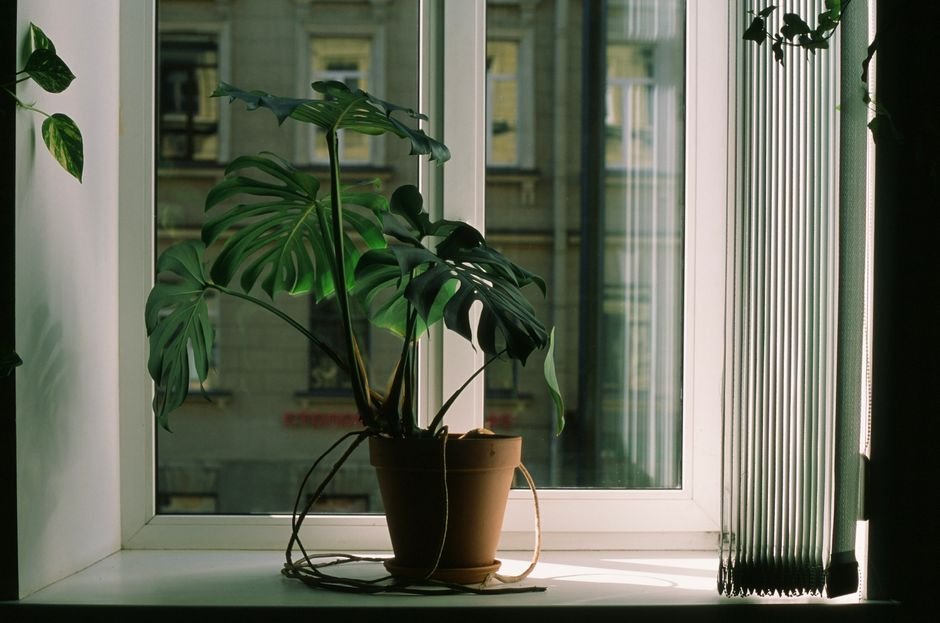

As record-breaking temperatures sweep across the nation, plant parents everywhere are asking the same urgent question: How do I protect my beloved houseplants from this scorching heatwave? Just like us, our indoor green companions are susceptible to extreme temperatures, and a prolonged heatwave can turn a thriving urban jungle into a wilting wasteland if we’re not careful. Here at PlantsMag.com, we understand the panic, and we’ve compiled an indispensable guide to help your houseplants survive a heatwave, ensuring they emerge from the sweltering days as vibrant as ever.
Recent headlines, like “How to care for houseplants in a heatwave: 5 ways to protect plants from extreme temperatures – Woman & Home,” highlight the widespread concern. But what does that mean for your specific plant collection in a US context? From the humid Southeast to the arid Southwest, understanding your home’s microclimate and your plants’ needs is crucial. Let’s dive into actionable strategies to keep your indoor garden flourishing even when the mercury soars.
Understanding Heat Stress in Houseplants
When temperatures climb, houseplants face a multitude of challenges. Excessive heat can accelerate transpiration, leading to rapid water loss from leaves. This can quickly dehydrate plants, even if the soil seems moist. Furthermore, high temperatures can stress roots, making it harder for them to absorb water and nutrients. Photosynthesis can also become less efficient, as plants may close their stomata to conserve water, inadvertently reducing their ability to take in CO2.
Spotting the Signs of Heat Stress
Early detection is vital. Look for subtle changes in your plants that indicate they’re struggling with the heat. Wilting leaves, even after watering, are a classic sign. Yellowing or browning leaf tips and edges, often referred to as ‘crisping,’ can also point to heat stress and dehydration. Leaves may also appear dull, droopy, or curled inwards as the plant tries to protect itself from excessive sun exposure and water loss. Don’t mistake these for typical watering issues; heat compounds the problem.
Hydration is Key: Watering Strategies During a Heatwave
During a heatwave, your plants’ water requirements can drastically increase. However, simply watering more isn’t always the answer; how you water matters just as much. Aim to water deeply in the early morning or late evening when temperatures are cooler. This minimizes evaporation and allows the roots to absorb moisture effectively before the midday sun kicks in. Check the soil moisture frequently – often daily – by sticking your finger about an inch or two into the soil. If it feels dry, it’s time to water.
Consider using self-watering planters or adding a layer of mulch (like coco coir or fine bark) to the top of your potting mix. This can help retain soil moisture longer, reducing the frequency of watering. For plants that prefer consistently moist soil, like ferns or calatheas, this can be a lifesaver. Avoid letting plants sit in standing water, as this can lead to root rot, but ensure thorough saturation each time you water.
Creating a Cooler Microclimate for Your Plants
Even if your AC is blasting, certain spots in your home can still be heat traps. Move plants away from direct sun exposure, especially south- or west-facing windows, during the hottest parts of the day. Even indirect sun can become too intense. Consider drawing blinds or curtains during peak hours. If moving isn’t an option, a sheer curtain or a piece of shade cloth (easily found at garden centers like Lowe’s or Home Depot) can diffuse harsh light.
Grouping plants together can also create a mini-microclimate. As plants transpire, they release moisture into the air, slightly increasing humidity for their neighbors. This collective effort can offer a small but significant buffer against dry, hot air. For plants temporarily relocated, ensure they still receive adequate light; a simple LED grow light can supplement if they’re moved to a shadier spot.
“Proactive measures are always better than reactive ones when it comes to plant care during extreme weather. Anticipate the heat and adjust your routine before your plants show signs of distress.” – Dr. Elena Rodriguez, Horticultural Scientist.
Humidity Heroes: Battling Dry Air Indoors
Heatwaves often bring dry air, which can be detrimental to many tropical houseplants that thrive in high humidity. Low humidity exacerbates water loss through leaves, making plants more prone to dehydration. Misting can offer temporary relief, but it’s not a long-term solution as the water quickly evaporates. Instead, focus on sustained humidity boosts.
DIY Humidity Solutions
A simple and effective method is to place plants on pebble trays filled with water. As the water evaporates, it increases the humidity around the plants without making the soil soggy. Ensure the plant pot sits on the pebbles, not directly in the water. For more significant humidity needs, especially for plants like Fiddle Leaf Figs or Monsteras, a small room humidifier can make a world of difference. Brands like Levoit or Honeywell offer reliable options available at most major retailers or online. Running a humidifier for a few hours a day can mimic the tropical conditions many houseplants crave.
Post-Heatwave Recovery and Ongoing Care
Once the heatwave breaks, don’t immediately revert to your old routine. Plants will need time to recover. Continue to monitor them closely for a few days, gradually reintroducing them to brighter spots if they were moved. Avoid fertilizing immediately after a heatwave, as plants are still under stress, and added nutrients can be too much for their compromised systems. Wait a week or two until you see new growth or signs of recovery.
Prune away any severely damaged or crispy leaves. While it might feel drastic, removing dead or dying foliage allows the plant to redirect its energy to healthy growth. Regularly inspect for pests, as stressed plants are more susceptible to infestations. A gentle wipe-down of leaves with a damp cloth can also help remove dust and improve photosynthesis efficiency. Patience and consistent, gentle care are your best tools for helping your plants bounce back.
| Symptom | Cause | Solution |
|---|---|---|
| Wilting/Drooping Leaves | Dehydration, root stress | Deep watering, move to shade |
| Crispy/Brown Leaf Tips/Edges | Low humidity, excessive heat | Increase humidity, misting (temporary) |
| Yellowing Leaves | Stress, nutrient imbalance (secondary) | Assess watering, reduce direct light |
| Stunted Growth | Prolonged stress, reduced photosynthesis | Provide optimal conditions, patience |
| Faded/Bleached Leaves | Too much direct sunlight | Move away from windows, use shade cloth |
Frequently Asked Questions About Houseplant Heatwave Care
Can I move my houseplants outside during a heatwave?
Generally, no. Moving houseplants outdoors during a heatwave can expose them to even harsher conditions than indoors, including direct, unfiltered sun, stronger winds, and greater temperature fluctuations. The shock of moving from a stable indoor environment to extreme outdoor conditions can cause more harm than good. Keep them indoors in their adapted environment, adjusting care as needed.
Should I fertilize my plants during a heatwave?
It’s best to avoid fertilizing your houseplants during a heatwave. Plants under stress prioritize survival over growth, and adding fertilizer can put additional strain on their root systems. The salts in fertilizers can also contribute to dehydration. Resume your regular fertilizing schedule once the heatwave has passed and your plants show signs of recovery.
What if my plant looks completely wilted after a heatwave?
Don’t give up immediately! First, move the plant to a cooler, shadier location. Water it thoroughly until water drains from the bottom, then allow it to drain completely. Increase humidity around the plant if possible. Sometimes, severely wilted plants can bounce back within a few hours or a day. If leaves remain crispy or completely brown, prune them off, but give the plant time before assuming it’s lost.
Are some houseplants more heat-tolerant than others?
Yes, some houseplants naturally tolerate heat better. Succulents and cacti, for example, are well-adapted to arid, hot conditions. Other plants like Snake Plants (Sansevieria) and ZZ Plants (Zamioculcas zamiifolia) are also quite resilient. However, even these tough plants can suffer under extreme, prolonged heat or direct scorching sun. Tropical plants like ferns, calatheas, and peace lilies are generally more susceptible to heat stress and low humidity.