
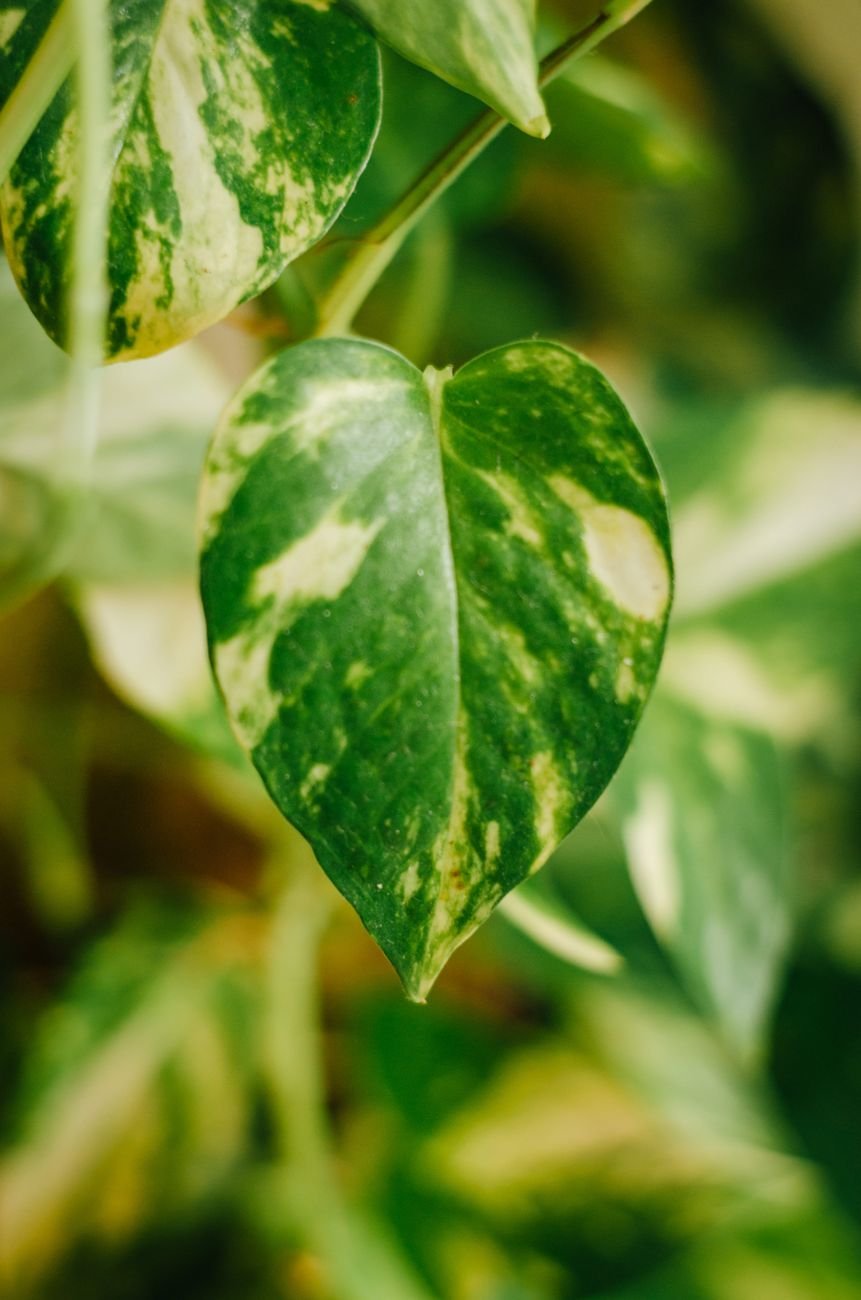

Pothos Varieties: A Comprehensive Guide for Plant Lovers
Pothos, also known as Devil’s Ivy, are incredibly popular houseplants, and for good reason. They’re relatively low-maintenance, adaptable to various light conditions, and come in a stunning array of varieties, each with its unique leaf patterns and colors. This guide will delve into some of the most beloved pothos varieties, providing you with the knowledge to choose the perfect one (or several!) for your indoor jungle.
Why Choose Pothos?
Before we dive into the specific varieties, let’s quickly recap why pothos are such fantastic houseplants:
- Easy to Care For: Pothos are forgiving and can tolerate neglect, making them ideal for beginners.
- Air Purifying: They help remove toxins from the air, contributing to a healthier indoor environment.
- Versatile: Pothos can be grown in hanging baskets, pots, or even trained to climb.
- Propagatable: Easily propagated from cuttings, allowing you to expand your collection.
- Visually Appealing: Their trailing vines and diverse foliage add a touch of greenery and elegance to any space.
Popular Pothos Varieties
Here’s a breakdown of some of the most sought-after pothos varieties, along with their distinguishing characteristics and care tips:
Golden Pothos (Epipremnum aureum)
The Golden Pothos is arguably the most common and recognizable variety. It features heart-shaped, glossy green leaves marbled with streaks of gold or yellow. The variegation can vary significantly, with some leaves being almost entirely yellow while others have only subtle flecks.
Golden Pothos Care Tips:
- Light: Thrives in bright, indirect light but can tolerate low light conditions (though variegation may fade).
- Water: Allow the top inch of soil to dry out between waterings. Avoid overwatering, as this can lead to root rot. A moisture meter can be a helpful tool to gauge soil moisture accurately.
- Soil: Use a well-draining potting mix. A blend of potting soil, perlite, and coco coir works well.
- Fertilizer: Feed monthly during the growing season (spring and summer) with a balanced liquid fertilizer.
Marble Queen Pothos (Epipremnum aureum ‘Marble Queen’)
Marble Queen is a stunning variety characterized by its heavily variegated leaves. The green foliage is splashed with creamy white, creating a marbled effect. The amount of white variegation can vary, with some leaves being almost entirely white.
Marble Queen Pothos Care Tips:
- Light: Requires brighter indirect light than Golden Pothos to maintain its vibrant variegation. Insufficient light can cause the white areas to revert to green.
- Water: Water when the top inch of soil is dry. Be careful not to overwater, as this can lead to root rot.
- Soil: Use a well-draining potting mix similar to Golden Pothos.
- Fertilizer: Feed monthly during the growing season with a balanced liquid fertilizer.
Neon Pothos (Epipremnum aureum ‘Neon’)
The Neon Pothos is a vibrant and eye-catching variety with bright, chartreuse-colored leaves. The color is most intense in bright light. As the plant matures, the leaves may darken slightly.
Neon Pothos Care Tips:
- Light: Prefers bright, indirect light to maintain its vibrant color. Avoid direct sunlight, which can scorch the leaves. If your home lacks sufficient natural light, consider using a grow light to supplement.
- Water: Water when the top inch of soil is dry.
- Soil: Use a well-draining potting mix.
- Fertilizer: Feed monthly during the growing season with a balanced liquid fertilizer.
Jessenia Pothos (Epipremnum aureum ‘Jessenia’)
Jessenia Pothos is a relatively new variety that features solid, lime-green leaves. It’s similar in appearance to a Neon Pothos, but the color is a bit more muted and earthy. Jessenia is also known for being a slower grower than other pothos varieties.
Jessenia Pothos Care Tips:
- Light: Thrives in bright, indirect light.
- Water: Water when the top inch of soil is dry.
- Soil: Use a well-draining potting mix.
- Fertilizer: Feed monthly during the growing season with a balanced liquid fertilizer.
Manjula Pothos (Epipremnum aureum ‘Manjula’)
The Manjula Pothos is a patented variety with uniquely shaped, wavy leaves. The foliage features a mix of green, white, and silver variegation. Each leaf is different, making it a truly unique and captivating plant.
Manjula Pothos Care Tips:
- Light: Requires bright, indirect light to maintain its variegation.
- Water: Allow the top inch of soil to dry out between waterings.
- Soil: Use a well-draining potting mix. A pre-mixed aroid soil is ideal.
- Fertilizer: Feed monthly during the growing season with a balanced liquid fertilizer.
Pearls and Jade Pothos (Epipremnum aureum ‘Pearls and Jade’)
Pearls and Jade Pothos is another variegated variety, distinguished by its green leaves with speckled white and gray variegation. The variegation is often concentrated around the edges of the leaves.
Pearls and Jade Pothos Care Tips:
- Light: Requires bright, indirect light to maintain its variegation.
- Water: Allow the top inch of soil to dry out between waterings.
- Soil: Use a well-draining potting mix.
- Fertilizer: Feed monthly during the growing season with a balanced liquid fertilizer.
Satin Pothos (Scindapsus pictus)
While technically not a true pothos (Epipremnum aureum), Satin Pothos is often grouped with pothos due to its similar appearance and care requirements. It features heart-shaped, dark green leaves with silvery spots or splashes. There are several cultivars of Satin Pothos, including ‘Argyraeus’ (Silver Pothos) and ‘Exotica’.
Satin Pothos Care Tips:
- Light: Thrives in bright, indirect light but can tolerate lower light conditions.
- Water: Allow the top inch of soil to dry out between waterings.
- Soil: Use a well-draining potting mix.
- Fertilizer: Feed monthly during the growing season with a balanced liquid fertilizer.
Choosing the Right Pothos for You
With so many stunning varieties to choose from, how do you decide which pothos is right for you? Here are a few factors to consider:
- Light Availability: If you have a bright, sunny room, you can choose a variety that requires more light, such as Marble Queen or Manjula. If your space is dimly lit, opt for a more tolerant variety like Golden Pothos or Satin Pothos.
- Personal Preference: Do you prefer bold colors, intricate variegation, or classic green foliage? Choose a variety that appeals to your aesthetic.
- Care Level: All pothos are relatively easy to care for, but some varieties, like Manjula, may be slightly more demanding due to their specific light requirements.
- Pot Size & Material: Select a pot with drainage holes to prevent root rot. Terracotta pots are a great choice as they allow the soil to dry out more quickly.
Propagating Pothos
One of the best things about pothos is how easily they can be propagated. Here’s a simple method for propagating pothos from stem cuttings:
- Take a Cutting: Using clean, sharp scissors or pruning shears, cut a stem section that includes at least one leaf node (the point where a leaf emerges from the stem).
- Rooting in Water: Place the cutting in a glass or jar of water, ensuring that the leaf node is submerged. Change the water every few days.
- Rooting in Soil: Alternatively, you can plant the cutting directly into a small pot filled with well-draining potting mix. Keep the soil moist but not soggy.
- Wait for Roots: Within a few weeks, roots should begin to emerge.
- Planting: Once the roots are a few inches long (if rooting in water), plant the cutting in a pot filled with well-draining potting mix.
Common Pothos Problems and Solutions
While pothos are generally low-maintenance, they can sometimes encounter problems. Here are a few common issues and how to address them:
- Yellowing Leaves: Overwatering is the most common cause of yellowing leaves. Allow the soil to dry out more between waterings.
- Brown Leaf Tips: Dry air or underwatering can cause brown leaf tips. Increase humidity by misting the plant regularly or using a humidifier.
- Leggy Growth: Insufficient light can lead to leggy growth (long stems with sparse leaves). Move the plant to a brighter location.
- Root Rot: Overwatering can cause root rot. Ensure that the pot has drainage holes and use a well-draining potting mix.
FAQ About Pothos
Q: How often should I water my pothos?
A: Water your pothos when the top inch of soil feels dry to the touch. The frequency will vary depending on the environment, but generally, once a week is sufficient.
Q: What kind of light does a pothos need?
A: Pothos thrive in bright, indirect light, but they can also tolerate low light conditions. Variegated varieties need more light to maintain their coloring.
Q: Are pothos toxic to pets?
A: Yes, pothos are toxic to cats and dogs if ingested. Keep them out of reach of pets or choose pet-friendly alternatives.
Frequently Asked Questions
What are the best conditions for this plant?
Most houseplants thrive in bright, indirect light with temperatures between 65-80F (18-27C). Ensure good drainage and water when the top inch of soil feels dry.
How often should I water?
Watering frequency depends on the plant species, pot size, and environment. A general rule is to check the soil moisture before watering. Overwatering is the most common cause of houseplant death.
What soil mix works best?
A well-draining mix of peat moss, perlite, and orchid bark works well for most tropical houseplants. Succulents prefer a grittier mix with more sand and perlite.
Quick Care Reference
| Factor | Requirement | Notes |
|---|---|---|
| Light | Bright indirect | Avoid direct afternoon sun |
| Water | When top inch dry | Reduce in winter |
| Humidity | 50-70% | Mist or use pebble tray |
| Temperature | 65-80F (18-27C) | Avoid cold drafts |
| Soil | Well-draining mix | Peat, perlite, bark |
| Fertilizer | Monthly (spring-summer) | Half-strength balanced |