
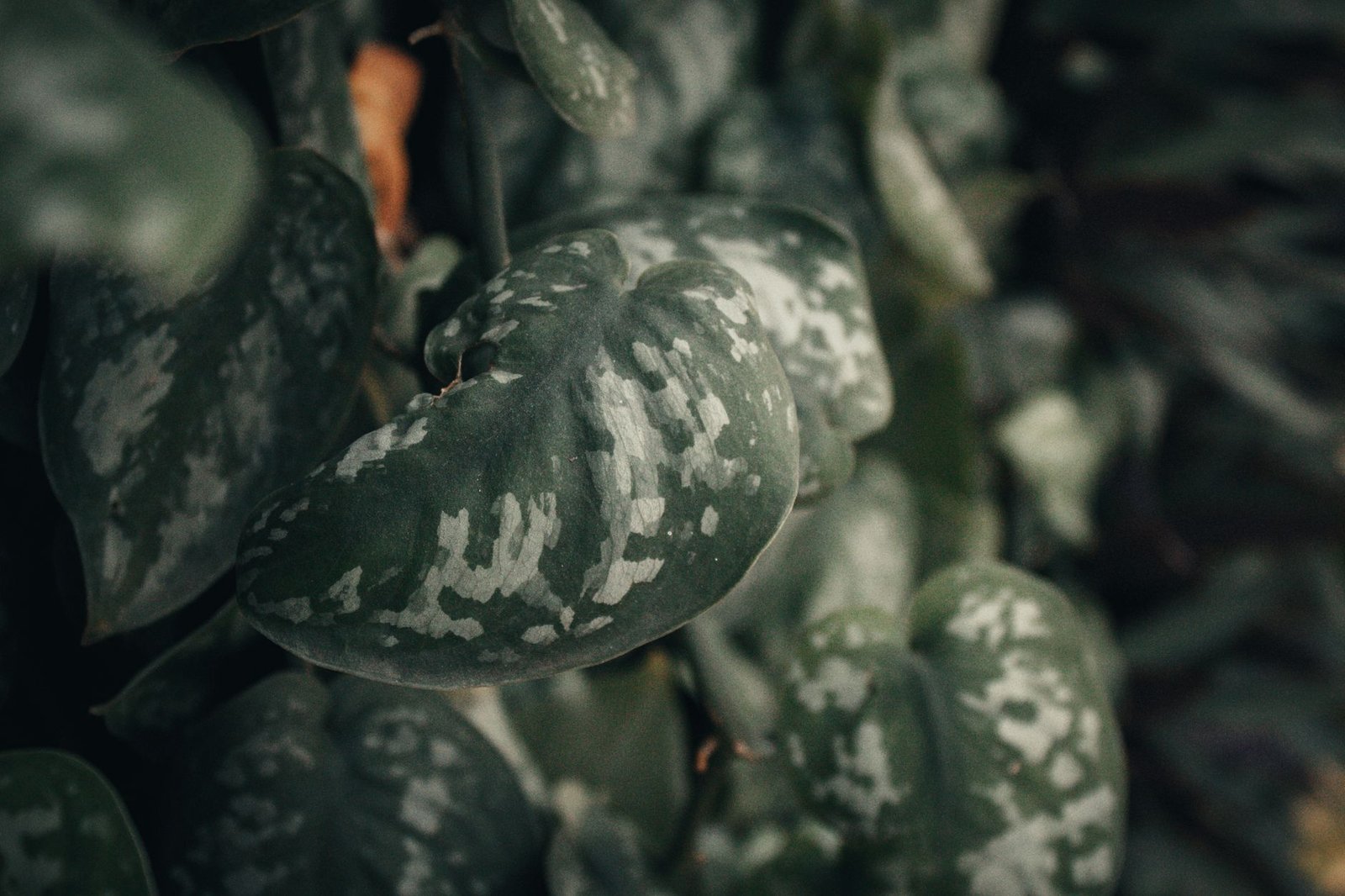

The Pothos, also known as Devil’s Ivy, is a beloved houseplant for a good reason. These easy-to-care-for vines bring a touch of the tropics to any indoor space. And with so many different pothos varieties available, there’s a Pothos for every plant lover in the US. This comprehensive guide will walk you through all the types you can grow, offering expert tips on care, propagation, and more. From the common Golden Pothos to the more elusive cultivars, prepare to expand your Pothos collection!
Golden Pothos (Epipremnum aureum)
The Golden Pothos is perhaps the most recognizable and widely grown variety. Its heart-shaped leaves are a vibrant green marbled with golden yellow. This variety is incredibly resilient and adaptable, making it perfect for beginners. It can tolerate low light conditions, although brighter indirect light will enhance the variegation. Expect to pay around $10-$20 for a 4-inch pot at most local nurseries or big box stores like Home Depot or Lowe’s.
The Golden Pothos is a vigorous grower and can quickly trail several feet. Pruning is encouraged to maintain a bushy appearance and can be easily propagated. Cuttings root readily in water or directly in soil. When watering, allow the top inch of soil to dry out completely before watering thoroughly. Overwatering can lead to root rot, so it’s always better to err on the side of caution. Consider using a well-draining potting mix like Miracle-Gro Indoor Potting Mix.
Golden Pothos Care Tips
- Light: Tolerates low light, but prefers bright, indirect light.
- Water: Allow top inch of soil to dry out between waterings.
- Soil: Well-draining potting mix.
- Fertilizer: Balanced liquid fertilizer every 4-6 weeks during the growing season (spring and summer).
Marble Queen Pothos (Epipremnum aureum ‘Marble Queen’)
The Marble Queen Pothos is another popular variety, distinguished by its striking white and green variegation. Compared to the Golden Pothos, the Marble Queen has more white on its leaves, giving it a brighter appearance. This variety requires slightly brighter light than the Golden Pothos to maintain its variegation. Insufficient light can cause the white areas to revert to green. A 4-inch pot typically costs between $12 and $25, depending on the size and variegation.
Like the Golden Pothos, the Marble Queen is relatively easy to care for. Water when the top inch of soil is dry, and fertilize every 4-6 weeks during the growing season. Pruning is beneficial to encourage bushier growth. Propagation is simple through stem cuttings. Avoid placing the Marble Queen in direct sunlight, as this can scorch the leaves. A moisture meter like the Gouevn Soil Moisture Meter can be helpful in determining when to water, especially for beginners.
Jade Pothos (Epipremnum aureum ‘Jade’)
The Jade Pothos is a classic, all-green variety. Unlike its variegated cousins, the Jade Pothos has solid green leaves, ranging from a deep forest green to a lighter, brighter green depending on the light exposure. This variety is particularly tolerant of low light conditions, making it a great choice for darker corners of your home. Expect to pay around $8-$18 for a 4-inch pot.
The Jade Pothos is just as easy to care for as other Pothos varieties. Water when the top inch of soil is dry, and fertilize sparingly during the growing season. Over-fertilizing can lead to salt buildup in the soil, which can damage the plant. Consider using a slow-release fertilizer like Osmocote Smart-Release Plant Food. Regular pruning will help maintain its shape and encourage bushier growth.
Neon Pothos (Epipremnum aureum ‘Neon’)
The Neon Pothos is a showstopper with its vibrant, chartreuse leaves. The bright, neon green color adds a pop of color to any room. This variety prefers bright, indirect light to maintain its vibrant color. Insufficient light can cause the leaves to fade to a duller green. A 4-inch pot typically costs between $15 and $30, depending on the size and vibrancy of the color.
The Neon Pothos requires similar care to other Pothos varieties. Water when the top inch of soil is dry, and fertilize regularly during the growing season. Avoid placing it in direct sunlight, as this can scorch the leaves. Pruning is essential to maintain its shape and encourage bushier growth. The Neon Pothos is a relatively fast grower and can quickly trail several feet. Consider using a moss pole to support its growth and encourage larger leaves. These can be purchased for around $10-$20 on Amazon or at your local garden center.
Manjula Pothos (Epipremnum aureum ‘Manjula’)
The Manjula Pothos, a patented variety, boasts uniquely shaped, wavy leaves with a mix of green, white, and silver variegation. Each leaf is different, making it a truly unique addition to any collection. This variety tends to grow slower than other Pothos types. It requires bright, indirect light to maintain its variegation. A 4-inch pot can range from $20 to $40, reflecting its relative rarity and unique appearance.
The Manjula Pothos is a bit more sensitive to overwatering than other varieties. Allow the top two inches of soil to dry out before watering thoroughly. Ensure the pot has good drainage to prevent root rot. Fertilize sparingly during the growing season. This variety is also more susceptible to pests, so regular inspection is recommended. Treat any infestations promptly with insecticidal soap or neem oil. A good brand of neem oil is Bonide Ready to Use Neem Oil.
Distinguishing Manjula Pothos
The Manjula Pothos can sometimes be confused with other variegated pothos varieties, especially the Marble Queen. Here’s how to tell them apart:
- Leaf Shape: Manjula Pothos has distinctively wavy, heart-shaped leaves that are not perfectly symmetrical. Marble Queen Pothos has more uniform, heart-shaped leaves.
- Variegation: Manjula Pothos has a mix of green, white, and silver variegation, with each leaf having a unique pattern. Marble Queen Pothos typically has green and white variegation, with less silver.
- Leaf Texture: Manjula Pothos leaves often have a slightly bumpy or textured feel, while Marble Queen Pothos leaves are generally smooth.
Jessenia Pothos (Epipremnum aureum ‘Jessenia’)
The Jessenia Pothos is a relatively new and less common variety, characterized by its solid green leaves with subtle lime green variegation. The variegation is often more pronounced in younger leaves and can fade as the leaves mature. This variety is relatively easy to care for and can tolerate low light conditions. Expect to pay between $25 and $50 for a 4-inch pot, reflecting its rarity.
The Jessenia Pothos requires similar care to other Pothos varieties. Water when the top inch of soil is dry, and fertilize sparingly during the growing season. Avoid placing it in direct sunlight, as this can scorch the leaves. Pruning is beneficial to maintain its shape and encourage bushier growth. This variety is a relatively slow grower, so patience is key.
Global Green Pothos (Likely Epipremnum aureum cultivar)
The Global Green Pothos is a newer variety featuring a unique blend of light and dark green shades on its leaves. The variegation appears as mottled patterns within the green, creating a subtle yet striking effect. This variety is relatively rare and can be more challenging to find than other Pothos types. Prices for a 4-inch pot typically range from $30 to $60.
Like other Pothos, the Global Green prefers bright, indirect light but can tolerate lower light conditions. However, to maintain the distinct variegation, providing adequate light is crucial. Water when the top inch of soil feels dry, and avoid overwatering to prevent root rot. A well-draining potting mix is essential. Fertilize sparingly during the growing season with a balanced liquid fertilizer. Keep an eye out for pests and treat them promptly. The Global Green Pothos is a slower grower, so be patient and provide optimal care for the best results.
Cebu Blue Pothos (Epipremnum pinnatum ‘Cebu Blue’)
The Cebu Blue Pothos is a unique variety known for its silvery-blue-green leaves that change shape as they mature. Young leaves are elongated and narrow, while mature leaves can develop fenestrations (splits), resembling a Monstera. This variety prefers bright, indirect light and well-draining soil. A 4-inch pot typically costs between $18 and $35.
The Cebu Blue Pothos requires similar care to other Pothos varieties, but it’s important to provide adequate humidity. Low humidity can cause the leaves to dry out and become crispy. Consider using a humidifier or placing the plant on a pebble tray to increase humidity. Water when the top inch of soil is dry, and fertilize regularly during the growing season. Pruning is beneficial to encourage bushier growth and can also be used to propagate new plants. Over time, with proper care, the leaves will grow large and develop their characteristic splits. If you live in a very dry climate, consider using a grow light like the Sansi 36W LED Grow Light to provide supplemental light and warmth.
Pothos Care: A Quick Comparison
| Variety | Light | Water | Humidity | Soil | Temperature |
|---|---|---|---|---|---|
| Golden Pothos | Low to bright, indirect | Allow top inch to dry | Average | Well-draining | 65-85°F (18-29°C) |
| Marble Queen Pothos | Bright, indirect | Allow top inch to dry | Average | Well-draining | 65-85°F (18-29°C) |
| Jade Pothos | Low to bright, indirect | Allow top inch to dry | Average | Well-draining | 65-85°F (18-29°C) |
| Neon Pothos | Bright, indirect | Allow top inch to dry | Average | Well-draining | 65-85°F (18-29°C) |
| Manjula Pothos | Bright, indirect | Allow top 2 inches to dry | Average to high | Well-draining | 65-85°F (18-29°C) |
| Jessenia Pothos | Low to bright, indirect | Allow top inch to dry | Average | Well-draining | 65-85°F (18-29°C) |
| Global Green Pothos | Bright, indirect | Allow top inch to dry | Average | Well-draining | 65-85°F (18-29°C) |
| Cebu Blue Pothos | Bright, indirect | Allow top inch to dry | High | Well-draining | 65-85°F (18-29°C) |
Frequently Asked Questions (FAQ)
Why are my Pothos leaves turning yellow?
Yellowing leaves on a Pothos can be caused by several factors, including overwatering, underwatering, nutrient deficiencies, or pests. Check the soil moisture and adjust your watering schedule accordingly. If the soil is consistently wet, allow it to dry out completely before watering again. If the soil is bone dry, water thoroughly. Consider fertilizing with a balanced liquid fertilizer during the growing season. Inspect the plant for pests and treat any infestations promptly.
How do I propagate Pothos?
Pothos are incredibly easy to propagate from stem cuttings. Simply cut a stem with at least one node (the point where a leaf emerges) and place it in water. Roots will typically develop within a few weeks. Once the roots are about an inch long, you can plant the cutting in well-draining potting mix. Alternatively, you can plant the cutting directly into the soil. Keep the soil moist until the cutting is established.
What are the best soil conditions for Pothos?
Pothos prefer well-draining soil that is rich in organic matter. A good potting mix for Pothos should contain a blend of peat moss, perlite, and vermiculite. Avoid using heavy, clay-based soils, as these can retain too much moisture and lead to root rot. Many pre-mixed potting soils, such as FoxFarm Ocean Forest Potting Soil, are suitable for Pothos.
How much light does my Pothos need?
Pothos can tolerate a wide range of light conditions, from low light to bright, indirect light. However, the amount of light your Pothos receives will affect its growth and variegation. Variegated varieties, such as the Marble Queen and Neon Pothos, require brighter light to maintain their distinct colors. Low light can cause the variegation to fade. Avoid placing your Pothos in direct sunlight, as this can scorch the leaves.
What pests attack Pothos plants?
Pothos are relatively resistant to pests, but they can occasionally be infested with mealybugs, spider mites, or scale. Mealybugs are small, white, cottony insects that suck sap from the plant. Spider mites are tiny, spider-like pests that create webs on the leaves. Scale are small, hard-shelled insects that attach themselves to the stems and leaves. Treat any infestations promptly with insecticidal soap, neem oil, or horticultural oil. Regular inspection of your plant can help prevent pest problems.