
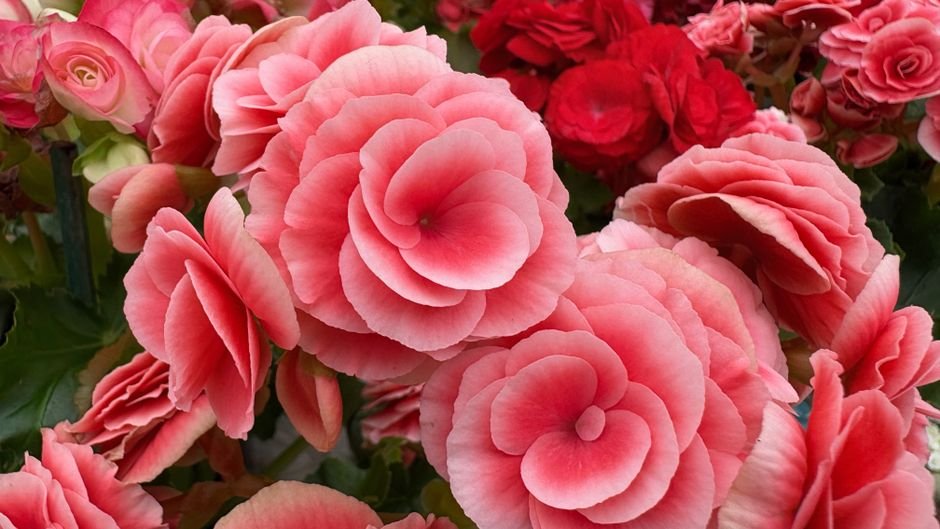

Welcome, fellow plant enthusiasts! As a horticulturist, few plants captivate me quite like the Begonia Rex. With its dazzling array of colors, intricate patterns, and velvety textures, the Begonia Rex care journey is a rewarding one for any American plant collector. These rhizomatous beauties, often called Painted-Leaf Begonias, are primarily grown for their ornamental foliage rather than their flowers, making them a year-round spectacle indoors. While they might have a reputation for being a bit particular, I’m here to assure you that with the right understanding and consistent care, your Begonia Rex can thrive and become a vibrant centerpiece in your home.
Understanding Begonia Rex: A Foliage Marvel
Begonia Rex varieties are a testament to nature’s artistry, originating from the humid, subtropical forests of Assam, India. These aren’t your grandmother’s outdoor tuberous begonias; Rex Begonias are distinct, primarily cultivated as houseplants across the United States for their spectacular leaves. Their foliage can display an astonishing spectrum of colors, from deep purples and iridescent silvers to vibrant reds, greens, and even nearly black hues. Each leaf is a miniature masterpiece, often exhibiting spiraled patterns, ruffled edges, and contrasting veins. Recognizing their unique needs, especially concerning humidity and light, is the first step to unlocking their full potential and enjoying their unparalleled beauty.
Light Requirements for Luminous Foliage
Achieving those vibrant, painterly colors in your Begonia Rex hinges critically on providing the right light. These plants crave bright, indirect light. Think of their natural habitat: dappled sunlight filtering through a dense canopy. Direct, harsh sunlight, especially from a south or west-facing window, can scorch their delicate leaves, leading to faded colors and brown patches. An east-facing window, which offers gentle morning sun, is often ideal. Alternatively, placing your Begonia Rex a few feet back from a south or west-facing window, where the light is softened by sheers or distance, can also work wonderfully.
Supplemental Lighting Solutions
For those living in homes with limited natural light, or during the shorter, darker days of winter, supplemental lighting can be a game-changer. Full-spectrum LED grow lights, readily available from retailers like Amazon or your local garden center for around $20-$50, can provide the consistent, gentle illumination your Begonia Rex craves. Position the grow light approximately 12-18 inches above your plant for 10-12 hours a day. This not only prevents leggy growth but also helps maintain the intensity and richness of their exquisite leaf coloration.
Precision Watering and Humidity Management
Watering a Begonia Rex is about balance: they prefer consistently moist, but never soggy, soil. Overwatering is a common pitfall, leading to dreaded root rot. Always allow the top inch or two of soil to dry out before watering again. A reliable moisture meter, such as the XLUX T10, available for about $10-$15 USD, can be an invaluable tool to accurately gauge soil moisture and prevent guesswork. When you do water, do so thoroughly until water drains from the bottom of the pot, then discard any excess. Never let your plant sit in standing water.
Boosting Humidity Levels
Hailing from humid environments, Begonia Rex absolutely thrive with high humidity, ideally 60% or higher. Dry indoor air, especially in heated or air-conditioned homes, can cause crispy leaf edges and stunted growth. There are several ways to provide this essential moisture: grouping plants together creates a microclimate, placing pots on pebble trays filled with water (ensuring the pot doesn’t sit directly in the water), or using a small room humidifier. A compact humidifier, like those from LEVOIT (typically $40-$60 USD), can significantly improve the air quality for your Begonia Rex and surrounding plants. Avoid misting the leaves directly, as this can encourage fungal diseases.
The Ideal Growing Medium and Fertilization
The right soil mix is paramount for Begonia Rex, ensuring excellent drainage while retaining some moisture. A standard potting mix is often too dense. I recommend a custom blend: two parts peat moss or coco coir, one part perlite, and one part fine orchid bark or pine bark fines. This creates an airy, well-draining, slightly acidic environment that mimics their natural conditions. If you prefer a ready-made option, look for premium potting mixes like Foxfarm Ocean Forest or Espoma Organic Potting Mix, which often contain beneficial amendments and provide a good base for your custom blend, costing around $15-$25 for a large bag.
During the active growing season (spring and summer), feed your Begonia Rex monthly with a balanced liquid fertilizer diluted to half strength. Products like Schultz Plant Food or Dyna-Gro Foliage-Pro are excellent choices, providing the necessary nutrients for robust leaf development. Reduce feeding in fall and winter when growth naturally slows.
Temperature, Pruning, and Propagation
Begonia Rex prefer stable, warm temperatures, ideally between 65-75°F (18-24°C). They are sensitive to cold drafts and sudden temperature fluctuations, so keep them away from exterior doors, drafty windows, and air conditioning vents. As for US hardiness zones, they are typically grown outdoors only in zones 10-11, where temperatures rarely drop below freezing. For most of the US, they are strictly indoor plants.
Pruning is beneficial for maintaining shape and encouraging bushier growth. Pinch back leggy stems or remove any yellowing or damaged leaves at the base. This directs the plant’s energy towards producing new, healthy foliage. Propagation is also quite simple, allowing you to multiply your collection or share with friends:
- Leaf Cuttings (Petiole Method): Select a healthy, mature leaf with its petiole (leaf stem) attached. Cut the petiole to about 1-2 inches. Insert the petiole into a moist, well-draining potting mix (like your custom Begonia mix). Cover the pot with a plastic dome or bag to maintain high humidity. Place in bright, indirect light. Roots and new plantlets should emerge in several weeks.
- Leaf Cuttings (Wedge Method): For larger leaves, cut the leaf into several wedge-shaped sections, ensuring each section has at least one prominent vein. Lay these wedges flat on moist potting mix, pressing gently to ensure contact. Cover to create a humid environment. New plantlets will form where the veins meet the soil.
- Rhizome Division: When repotting, you can gently divide the rhizome (the thick, fleshy stem that grows horizontally) into sections, ensuring each section has at least one growth point. Plant these sections in separate pots.
Begonia Rex Care Requirements Overview
| Care Aspect | Ideal Conditions |
|---|---|
| Light | Bright, indirect light (east-facing window, or few feet from south/west). Avoid direct sun. |
| Water | Allow top 1-2 inches of soil to dry. Water thoroughly, drain excess. Use moisture meter. |
| Humidity | High (60%+). Use pebble trays or humidifier. Avoid misting leaves. |
| Soil | Well-draining, airy, slightly acidic. Mix of peat/coco coir, perlite, bark fines. |
| Temperature | 65-75°F (18-24°C). Protect from drafts and cold. |
Frequently Asked Questions About Begonia Rex Care
Why are my Begonia Rex leaves turning brown and crispy?
This is a classic sign of low humidity. Your Begonia Rex needs consistently high humidity (60% or more) to thrive. Increase humidity with a humidifier or pebble tray. It can also be a sign of underwatering, so check your soil moisture with a moisture meter.
Why are my Begonia Rex leaves losing their vibrant color?
Fading leaf color usually indicates insufficient light. While they don’t like direct sun, they do need bright, indirect light to produce those stunning pigments. Try moving your plant to a brighter location or supplementing with a full-spectrum LED grow light.
Is Begonia Rex safe for pets?
No, Begonias are considered toxic to pets, particularly the rhizomes. If ingested, they can cause oral irritation, vomiting, and difficulty swallowing. It’s best to keep them out of reach of curious cats and dogs.
How often should I repot my Begonia Rex?
Begonia Rex generally prefer to be a bit pot-bound. Repot only when you see roots growing out of the drainage holes or the plant becomes top-heavy, typically every 1-2 years. Choose a pot only one size larger than the current one to avoid overwatering issues.
Can I grow Begonia Rex outdoors in the US?
In most of the US, Begonia Rex are grown exclusively as houseplants due to their sensitivity to cold. They can only be grown outdoors year-round in USDA Hardiness Zones 10-11, where temperatures rarely drop below 50°F (10°C). In other zones, they can be brought outdoors during warm summer months but must be moved indoors before temperatures fall.
What are common pests that affect Begonia Rex?
Begonia Rex can occasionally be troubled by common houseplant pests like spider mites, mealybugs, and thrips. Inspect your plants regularly, especially the undersides of leaves. Treat infestations promptly with insecticidal soap or neem oil, following product instructions carefully.