
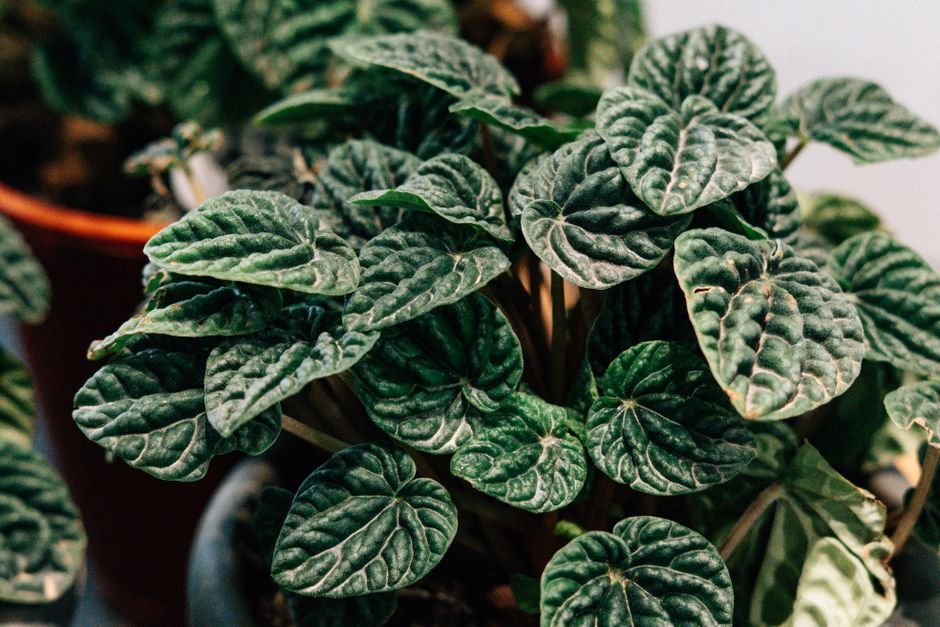

Welcome, fellow plant enthusiasts, to the fascinating world of Peperomia! As a senior horticulturist, I’ve seen countless plants come and go, but few offer the diversity and charm of Peperomia. These delightful plants, often referred to as “radiator plants” due to their preference for warm, indirect light, are a fantastic choice for any indoor garden, from beginner to seasoned collector. This comprehensive Peperomia Varieties and Care Guide for Indoor Gardens will equip you with the knowledge to cultivate these beauties successfully, ensuring they thrive in your home.
Exploring Diverse Peperomia Varieties
One of the most appealing aspects of Peperomia is their incredible variety. With hundreds of species, they come in an astonishing array of leaf shapes, textures, and colors. This diversity makes them perfect for creating varied visual interest in your plant collection without needing a massive footprint. Most Peperomia remain compact, making them ideal for shelves, desks, or windowsills.
Watermelon Peperomia (Peperomia argyreia)
Perhaps one of the most beloved varieties, the Watermelon Peperomia is instantly recognizable by its striking leaves that mimic the rind of a watermelon. The silvery-green stripes against a darker green background make it a true showstopper. It typically stays small, reaching about 6-8 inches in height, making it perfect for terrariums or small pots.
Radiator Plant (Peperomia obtusifolia)
The classic Radiator Plant, Peperomia obtusifolia, is a robust and forgiving choice. Its thick, spoon-shaped, glossy leaves come in solid green or variegated forms, often with creamy white or yellow margins. This variety is an excellent starter plant, tolerating a wider range of conditions than some of its more delicate cousins. You might find varieties like ‘Marble’ or ‘Variegata’ at your local nursery, typically priced between $10-$25 depending on size.
Rosso Peperomia (Peperomia caperata ‘Rosso’)
For a splash of color, look no further than the Rosso Peperomia. Its deeply ridged, dark green leaves have a stunning reddish-pink underside, creating a dramatic contrast. This compact plant forms a dense mound of foliage, making it a textural delight. It prefers slightly higher humidity to truly showcase its vibrant hues.
Optimal Light and Watering Strategies
Understanding light and water is paramount for any Peperomia. Most varieties thrive in bright, indirect light. Think of a spot near an east or west-facing window, or a few feet back from a south-facing window where direct sun won’t scorch their leaves. If natural light is scarce, especially during darker winter months, a compact LED grow light (starting around $30-$50 for a desk model) can supplement effectively, ensuring robust growth.
When it comes to watering, Peperomia are susceptible to overwatering due to their semi-succulent leaves and stems, which store water. Always allow the top 1-2 inches of soil to dry out completely before watering again. A simple moisture meter, like the XLUX T10, costing around $15-$20, can be invaluable in accurately assessing soil moisture and preventing root rot. When you do water, do so thoroughly until water drains from the bottom of the pot, then discard any standing water in the saucer.
Mastering Peperomia Soil, Humidity & Temperature
The right growing medium is crucial for Peperomia. They need a well-draining, airy soil mix that retains some moisture but never stays soggy. A good quality aroid mix or a blend of standard potting soil with generous amounts of perlite and orchid bark (e.g., FoxFarm Ocean Forest blend mixed with Espoma Perlite at a 2:1:1 ratio) works wonderfully. This ensures excellent aeration and drainage, mimicking their epiphytic or semi-epiphytic natural habitats.
Peperomia generally prefer moderate to high humidity (around 50-60%), but most varieties are quite adaptable to average household humidity levels. If your home is particularly dry, especially in winter with heating systems running, consider placing your plant near a humidifier or on a pebble tray filled with water. They are tropical plants, so they prefer consistent warm temperatures, ideally between 65-80°F (18-27°C). Avoid sudden temperature fluctuations or drafts.
Propagation and Repotting Peperomia
Peperomia are incredibly easy to propagate, making them perfect for sharing with friends or expanding your collection. Leaf cuttings are the most common and successful method.
- Select a Healthy Leaf: Choose a mature, healthy leaf with a petiole (leaf stem) attached.
- Prepare the Cutting: Using clean, sharp scissors or a knife, cut the leaf petiole about 1 inch long. For larger leaves (like Watermelon Peperomia), you can cut the leaf in half horizontally, ensuring each half has a prominent vein.
- Root in Water or Soil:
- Water Method: Place the petiole end into a small glass of water, ensuring only the stem is submerged. Change the water every few days.
- Soil Method: Dip the cut end in rooting hormone (optional but recommended for faster results), then insert it into a well-draining, moist potting mix. For halved leaves, press the cut edge gently into the soil.
- Provide Warmth and Humidity: Place your cuttings in a warm spot with bright, indirect light. Covering the pot with a clear plastic bag or dome can help maintain humidity for soil cuttings.
- Wait for Roots & Growth: Roots typically form within 2-4 weeks, followed by tiny new plantlets emerging from the base of the leaf or along the cut edge.
Repotting Peperomia isn’t a frequent task as they prefer to be slightly root-bound. Repot only when you see roots emerging from the drainage holes or if the plant’s growth is significantly stunted. Choose a pot only one size larger than the current one, and always use fresh, well-draining soil.
Common Peperomia Pests and Problems
While generally hardy, Peperomia can encounter a few issues. The most common problems stem from improper watering: yellowing leaves often indicate overwatering, while crispy, dry leaves suggest underwatering. Root rot, caused by consistently wet soil, is the biggest threat. If you suspect root rot, gently remove the plant, trim away any mushy, black roots, and repot in fresh, dry soil.
Pests are relatively rare but can include mealybugs, spider mites, and fungus gnats. Inspect your plants regularly. If you spot pests, isolate the plant and treat it with an insecticidal soap or neem oil solution. For fungus gnats, reduce watering frequency and consider using sticky traps.
Fertilization and Pruning Best Practices
Peperomia are not heavy feeders. During their active growing season (spring and summer), a diluted balanced liquid fertilizer (like Dyna-Gro Grow 7-9-5 or a similar 1/4 strength solution) once a month is sufficient. Reduce or cease fertilization during fall and winter when growth slows. Over-fertilization can lead to nutrient burn, so always err on the side of caution with a weaker solution.
Pruning is rarely necessary beyond removing any leggy growth or damaged leaves. You can pinch back stems to encourage a bushier, more compact growth habit. Use clean, sharp snips to make precise cuts just above a leaf node. This helps maintain the plant’s aesthetic and health.
Peperomia Care Comparison Table
| Care Aspect | Recommendation |
|---|---|
| Light | Bright, indirect light. Avoid direct scorching sun. Supplement with grow lights if needed. |
| Water | Allow top 1-2 inches of soil to dry out completely. Water thoroughly, then drain excess. |
| Humidity | Moderate (50-60%) preferred, but tolerant of average household levels. |
| Soil | Well-draining, airy mix (e.g., potting soil, perlite, orchid bark). |
| Temperature | Consistent 65-80°F (18-27°C). Avoid drafts and sudden drops. |
Frequently Asked Questions About Peperomia Care
Why are my Peperomia leaves drooping or turning yellow?
Drooping leaves often indicate overwatering or, less commonly, severe underwatering. Yellowing leaves are almost always a sign of overwatering and potential root rot. Check your soil moisture with a finger or a moisture meter. Ensure your pot has drainage holes and you’re not leaving the plant in standing water.
How often should I fertilize my Peperomia?
Fertilize sparingly. During the active growing season (spring and summer), a diluted liquid fertilizer (1/4 strength) once a month is plenty. Do not fertilize in fall or winter.
Are Peperomia toxic to pets?
Good news for pet owners! Most Peperomia varieties are considered non-toxic to cats and dogs by the ASPCA, making them a safe choice for homes with furry friends. However, it’s always best to discourage pets from munching on any houseplants.
Can Peperomia grow in low light conditions?
While Peperomia can tolerate lower light than some other houseplants, they won’t thrive in truly low-light conditions. Their growth will be leggy, and their vibrant colors may fade. Bright, indirect light is truly optimal for healthy, compact growth.
When is the best time to repot my Peperomia?
Peperomia prefer to be somewhat root-bound, so repotting is not an annual event. Repot only when you see roots growing out of the drainage holes, the plant is top-heavy, or growth has visibly stalled, typically every 1-2 years in spring or early summer.