
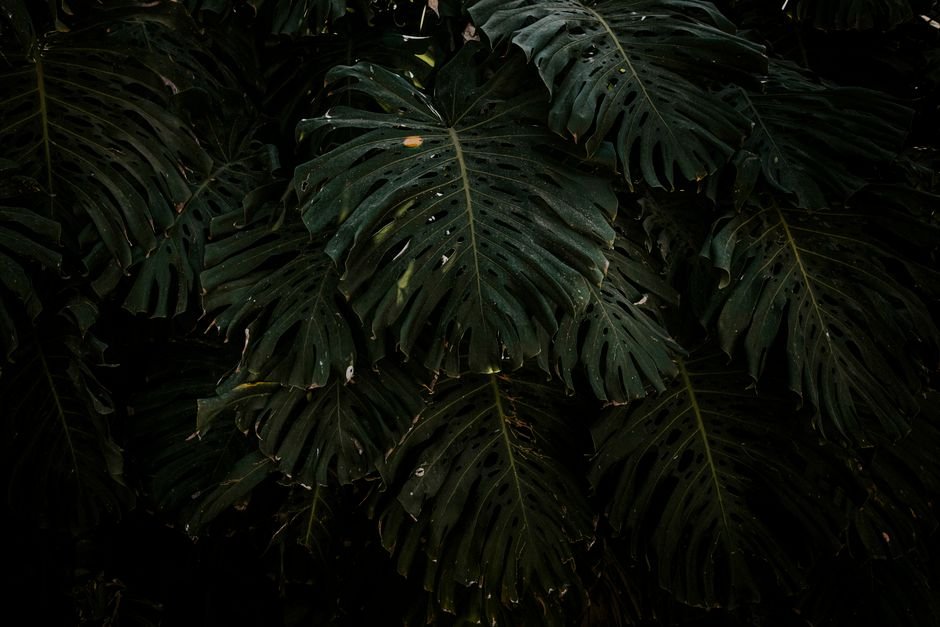

As a seasoned horticulturist and a passionate plant parent, few things bring me as much joy as helping a plant enthusiast expand their indoor jungle. Among the most sought-after houseplants today, the magnificent Monstera stands out with its iconic fenestrated leaves and vigorous growth. If you’ve ever admired a friend’s thriving Monstera and wished you could have one too, or simply want to multiply your existing plant, you’re in luck! Learning how to propagate Monstera from cuttings at home is a rewarding and surprisingly straightforward process. This comprehensive guide will equip you with all the knowledge and practical steps to successfully grow new Monstera plants from your existing specimens, turning a single plant into a thriving collection.
Understanding Monstera Propagation: Why It Works So Well
Monstera plants, particularly Monstera deliciosa and Monstera adansonii, are renowned for their ease of propagation, largely due to their natural growth habit. These tropical vining plants produce aerial roots along their stems, which are essentially pre-programmed structures ready to seek out moisture and nutrients. These roots are a clear indicator that Monstera is primed for vegetative propagation, making it an ideal candidate for growing new plants from stem cuttings. When you take a cutting that includes a node (the bump on the stem where a leaf or aerial root emerges), you’re essentially providing the plant with everything it needs to develop a new root system and establish itself as an independent plant. This method is not only efficient but also a sustainable way to expand your collection or share with fellow plant lovers.
Essential Tools and Materials for Monstera Cuttings
Before you make that first snip, gathering the right tools and materials ensures a smooth and successful propagation journey. Having everything ready minimizes stress on your plant and maximizes your chances of success. You don’t need a full laboratory, but a few key items will make a significant difference.
- Sharp, Sterilized Pruning Shears or Knife: Clean cuts prevent damage and disease. Sterilize with rubbing alcohol before each use.
- Rooting Hormone (Optional but Recommended): Products like Hormex or Clonex can significantly boost root development, especially for less vigorous cuttings.
- Propagation Vessel: A clear glass jar or container for water propagation, or a small pot for soil/moss propagation.
- Appropriate Potting Mix: A well-draining, airy mix is crucial for eventual potting.
- Gloves: Monstera sap can be an irritant for some.
- Grow Lights (Optional): If natural light is insufficient, an LED full-spectrum grow light can provide consistent, optimal conditions.
Selecting Your Propagation Medium
Choosing where your Monstera cutting will root is a key decision. Both water and a solid substrate have their advantages:
- Water Propagation: This is often the preferred method for beginners as it allows you to visibly monitor root development. Use a clear glass jar and change the water every few days to prevent bacterial growth. The downside is that water roots are often less robust than soil roots and can experience a slight shock when transitioning to soil.
- Soil or Sphagnum Moss Propagation: Rooting directly in a substrate can produce stronger, more adaptable roots. For soil, use a light, airy mix designed for aroids (e.g., a blend of perlite, orchid bark, and coco coir). Sphagnum moss is also an excellent medium, offering consistent moisture and aeration. Keep the medium consistently moist but not waterlogged.
Step-by-Step Guide to Taking Your Monstera Cuttings
Taking a cutting might seem daunting, but with a clear understanding of where and how to cut, you’ll be a pro in no time. Precision here is key for success.
Identifying a Healthy Node
The node is the most critical part of your cutting. It’s a small bump or ring on the stem, typically where a leaf or an aerial root emerges. This is where new roots will form. Without a node, your cutting will not be able to root. Look for a healthy, mature stem with at least one node and ideally one or two leaves.
- Sanitize Your Tools: Before making any cuts, wipe your pruning shears or knife with rubbing alcohol. This prevents the transfer of diseases to your plant and cutting.
- Choose a Healthy Stem: Select a vigorous, non-flowering stem from your mother plant. Look for a section with at least one to two leaves and a prominent node, preferably with a small aerial root already forming.
- Make a Clean Cut: Locate a node and make a clean cut about ¼ to ½ inch below it. Ensure your cut is sharp and swift to minimize damage. Each cutting should ideally have at least one node and one leaf, though two nodes and two leaves often yield faster results.
- Remove Lower Leaves (Optional): If your cutting has multiple leaves, remove any that would be submerged in water or buried in the soil. This prevents rot and allows the plant to focus energy on root development.
- Apply Rooting Hormone (If Using): Dip the cut end of your Monstera cutting into rooting hormone powder or gel. Tap off any excess. This step is particularly beneficial for speeding up root formation.
Nurturing Your Monstera Cuttings for Root Development
Once you have your cuttings, the real waiting game begins. Providing the right environment is crucial for encouraging robust root growth, regardless of your chosen propagation medium.
Water Propagation Care:
Place your prepared cutting in a clear glass jar filled with filtered water. Ensure the node is fully submerged but no leaves are in the water. Position the jar in a warm spot with bright, indirect light. Avoid direct sunlight, which can overheat the water and damage the cutting. Change the water every 2-3 days to keep it fresh and oxygenated, preventing bacterial growth. You should start seeing roots emerge within 2-4 weeks, though it can sometimes take longer.
Soil/Moss Propagation Care:
If using soil, plant your cutting directly into a small pot (e.g., a 4-inch nursery pot) filled with a well-draining potting mix like FoxFarm Ocean Forest or a custom blend of coco coir, perlite, and orchid bark. Ensure the node is buried. If using sphagnum moss, moisten the moss thoroughly and wrap it around the node, then place it in a small container or propagation box. Keep the medium consistently moist but not soggy. High humidity is beneficial, so consider placing the pot in a clear plastic bag or a propagation dome, or using a humidifier nearby. Maintain temperatures between 70-80°F (21-27°C). A soil moisture meter can be helpful here to ensure consistent moisture without overwatering.
Post-Propagation Care for Your New Monstera Plants
Once your cuttings have developed a healthy root system (typically 2-3 inches long for water propagation, or when resistance is felt when gently tugging for soil/moss), it’s time to transition them to their permanent home. This step is critical for their long-term health.
Transitioning to Soil: If you started in water, pot your rooted cutting into a well-draining potting mix. A blend of Espoma Organic Potting Mix with added perlite or orchid bark works wonderfully. Water thoroughly after potting. For the first few weeks, treat the newly potted plant gently, keeping it in a slightly more humid environment and away from direct, harsh light to reduce transplant shock.
Light: New Monstera plants thrive in bright, indirect light. An east-facing window is often ideal. If natural light is limited, a supplemental grow light will ensure robust growth. Avoid low-light conditions, which can lead to leggy growth and smaller leaves.
Watering: Water when the top 1-2 inches of soil feel dry to the touch. Use a moisture meter to guide you. Ensure thorough watering until water drains from the bottom of the pot. Avoid overwatering, which can lead to root rot.
Humidity: Monsteras appreciate high humidity, ideally above 60%. Consider grouping plants, using a pebble tray, or running a humidifier, especially in drier climates or during winter months. While they can tolerate lower humidity, higher levels promote larger, healthier leaves.
Fertilization: Once your new Monstera shows signs of active growth (usually after 4-6 weeks in its new pot), you can begin a regular feeding schedule. Use a balanced liquid fertilizer like Dyna-Gro’s Foliage-Pro or a diluted all-purpose houseplant fertilizer at half strength every 2-4 weeks during the growing season (spring and summer). Reduce or cease fertilization in fall and winter.
Temperature: Maintain indoor temperatures between 65-80°F (18-27°C). Monstera are tropical plants and do not tolerate cold drafts or temperatures below 50°F (10°C). In USDA Hardiness Zones 10-12, they can thrive outdoors year-round, but for most of the US, they are beloved indoor specimens.
Monstera Care Requirements Comparison
Here’s a quick comparison of general care for cuttings versus established plants:
| Aspect | Monstera Cutting Care | Established Monstera Plant Care |
|---|---|---|
| Light | Bright, indirect; avoid direct sun. Grow lights beneficial. | Bright, indirect; can tolerate some morning sun. |
| Water | Consistently moist (soil/moss) or fresh water changed frequently (water prop). | Water when top 1-2 inches of soil are dry. Avoid soggy soil. |
| Humidity | High (70-90%) is ideal for root development. | Moderate to high (60%+) preferred. |
| Soil | Light, airy, well-draining mix (perlite, coco coir, orchid bark) or sphagnum moss. | Well-draining, chunky aroid mix. |
| Temperature | 70-80°F (21-27°C) for optimal rooting. | 65-80°F (18-27°C). Avoid cold drafts. |
Frequently Asked Questions About Monstera Propagation
How long does it take for Monstera cuttings to root?
Root development typically begins within 2-4 weeks, but it can take up to 2-3 months for substantial roots to form, especially for larger cuttings or in cooler conditions. Patience is key!
Can I propagate Monstera without a node?
No, a node is absolutely essential for Monstera propagation. The node contains dormant meristematic tissue, which is where new roots and shoots will emerge. A stem piece without a node (often called a ‘stem section’ or ‘wet stick’ without an active growth point) will not root.
What if my Monstera cutting isn’t rooting?
Several factors could be at play: insufficient light, low humidity, water not being changed frequently enough (if water propagating), or the cutting itself might not have been healthy. Ensure your cutting has a viable node, provide consistent warmth and bright, indirect light, and consider using rooting hormone to encourage development.
When should I transfer my water-rooted Monstera cutting to soil?
Wait until the roots are at least 2-3 inches long and have developed some secondary branching. Transferring too early can cause transplant shock, as water roots are accustomed to a different environment than soil roots. Make the transition gradually, keeping the soil slightly more moist than usual for the first week or two.
Why are the leaves on my Monstera cutting turning yellow?
Yellowing leaves can indicate a few issues. It could be normal as the cutting sacrifices older leaves to put energy into root production. However, it can also signal overwatering (leading to rot), insufficient light, or nutrient deficiency. Ensure your water is fresh, your soil is well-draining, and the cutting receives adequate bright, indirect light.
Propagating Monstera from cuttings is a deeply rewarding experience that allows you to expand your plant collection, share the joy with others, and deepen your understanding of plant life cycles. With the right tools, a little patience, and the insights from this guide, you’ll be well on your way to creating a lush, thriving Monstera family right in your own home. Happy propagating!