

As a senior horticulturist and a passionate plant advocate for PlantsMag.com, I’ve witnessed firsthand the enduring charm of Pothos plants. Known botanically as Epipremnum aureum (though we’ll delve into a few other related genera), these versatile vining plants have graced homes and offices across the United States for decades. Their ease of care, striking foliage, and ability to thrive in a range of conditions make them a top choice for both novice and experienced plant parents. But Pothos is far from a one-note wonder; the world of Pothos varieties is surprisingly diverse, offering an array of leaf shapes, sizes, and mesmerizing variegation patterns.
Whether you’re looking to expand your collection or simply identify that beautiful vine you inherited, understanding the nuances between different Pothos types is key to appreciating their unique beauty and providing optimal care. In this comprehensive guide, we’ll explore every significant Pothos variety you can grow in the US, offering expert tips on identification, cultivation, and how to help each one truly flourish.
The Enduring Appeal: Golden Pothos (Epipremnum aureum ‘Golden Pothos’)
When most people picture a Pothos, they’re likely envisioning the classic Golden Pothos. This foundational variety is the benchmark against which all others are often compared. Its heart-shaped, glossy green leaves are splashed with irregular streaks and flecks of bright yellow or gold, hence its name. The extent of this variegation can vary significantly depending on light exposure; more light generally translates to more pronounced golden marbling.
Golden Pothos is incredibly forgiving, making it an excellent choice for beginners. It tolerates a wide range of light conditions, from low to bright indirect, though too little light can reduce its vibrant variegation. When it comes to watering, allow the top inch or two of soil to dry out between waterings. A reliable XLUX T10 Soil Moisture Meter can be an invaluable tool to prevent both overwatering and underwatering, ensuring your plant gets exactly what it needs. During the active growing season (spring and summer), a balanced liquid fertilizer like Dyna-Gro Grow every 2-4 weeks can encourage lush growth. For soil, a well-draining potting mix, perhaps a blend like Foxfarm Ocean Forest Potting Soil mixed with perlite, is ideal. Given its tropical origins (USDA Hardiness Zones 10-12), it thrives in typical indoor temperatures between 65-85°F (18-29°C) and average household humidity.
This variety is a vigorous grower, often producing long vines that can trail gracefully from hanging baskets or climb up moss poles, creating a striking vertical accent. Its resilience and striking appearance make it a staple in homes and offices across the US.
The Variegated Beauties: Marble Queen, N’Joy, and Pearls and Jade Pothos
For those who adore intricate variegation, these three varieties offer a stunning display of white, cream, and green patterns. While they share some similarities, their distinct patterns make them unique.
Marble Queen Pothos (Epipremnum aureum ‘Marble Queen’)
The Marble Queen Pothos is aptly named for its heavily variegated foliage, resembling a canvas painted with swirls of cream and white against a deep green background. The white areas are typically more expansive and less defined than the speckles of a Golden Pothos. Each leaf is a unique piece of art, making it a highly sought-after variety.
Due to its significant white variegation, Marble Queen requires brighter indirect light than its Golden counterpart to maintain its striking patterns. Low light can cause the white areas to revert to green, or the plant to become leggy. If your home lacks sufficient natural light, a supplemental grow light, such as a Sansi 15W LED Grow Light, can make a world of difference. Water thoroughly when the top few inches of soil are dry, ensuring good drainage. High humidity is appreciated, so consider a pebble tray or a nearby humidifier, especially in drier climates. Temperatures mimicking its tropical origins (65-85°F) are best. Its growth habit is similar to the Golden Pothos, making it excellent for trailing or climbing.
N’Joy Pothos (Epipremnum aureum ‘N’Joy’)
N’Joy Pothos stands out with its crisp, well-defined blocks of creamy white variegation against a darker green. Unlike the marbled patterns, N’Joy’s white sections often appear along the leaf margins and are distinctly separate from the green. The leaves tend to be slightly smaller and more compact than Marble Queen, giving it a denser, bushier appearance.
Like all highly variegated Pothos, N’Joy thrives in bright, indirect light to maintain its vibrant contrast. Direct sun can scorch the delicate white areas, while insufficient light will lead to less variegation. Watering should be consistent but cautious; allow the soil to dry out a bit between waterings. A well-aerated potting mix, perhaps Espoma Organic Potting Mix, will prevent root rot. While not overly fussy about humidity, average household levels are usually sufficient. Keep temperatures stable, ideally between 65-80°F (18-27°C).
Pearls and Jade Pothos (Epipremnum aureum ‘Pearls and Jade’)
Pearls and Jade Pothos is often confused with N’Joy, but a closer look reveals its unique charm. Its variegation features shades of silvery-gray, green, and white, with the white and green patches often speckled with flecks of green within the white areas, creating a more mottled, almost watercolor-like effect. The white areas are typically not as stark or blocky as N’Joy’s, and the leaves can have a slightly rougher texture.
Care for Pearls and Jade mirrors that of N’Joy and Marble Queen: bright, indirect light is paramount for showcasing its intricate patterns. It’s crucial to avoid direct sunlight, which can burn the lighter parts of the leaves. Water when the top soil layer feels dry to the touch, and ensure excellent drainage. A balanced houseplant fertilizer like Liqui-Dirt can be applied during the growing season. This variety also appreciates consistent temperatures and moderate to high humidity, making it a good candidate for grouping with other plants or placing near a humidifier.
The Luminous Neons and Subtle Jessenia Pothos
These two varieties offer a departure from the classic green and white, bringing unique color palettes to the Pothos family.
Neon Pothos (Epipremnum aureum ‘Neon’)
The Neon Pothos is a showstopper, boasting vibrant, almost electric lime-green to golden-yellow leaves. Unlike other variegated Pothos, its color is solid, without distinct patterns or speckles. Younger leaves tend to be a brighter, more intense neon, while older leaves may deepen to a more chartreuse tone.
To maintain its brilliant color, Neon Pothos prefers medium to bright indirect light. In lower light conditions, its leaves can revert to a duller green. Conversely, too much direct sun can bleach the leaves. Watering should be consistent; allow the top few inches of soil to dry before rewatering. This variety is generally tolerant of average household humidity but will appreciate higher levels if you can provide them. Temperatures between 65-85°F (18-29°C) are ideal. Its striking color makes it an excellent choice for adding a pop of brightness to any indoor space.
Jessenia Pothos (Epipremnum aureum ‘Jessenia’)
Jessenia Pothos is a more recent and subtle introduction, often described as a more subdued version of Marble Queen. Its dark green leaves are variegated with chartreuse or lime-green streaks and splashes, which are less stark and more blended than the white of Marble Queen. The variegation tends to follow the veins of the leaf, creating a delicate, almost painterly effect.
Jessenia Pothos, with its moderate variegation, performs best in medium to bright indirect light. While it’s more forgiving than heavily white-variegated types, adequate light is still essential to maintain the contrast in its foliage. Water thoroughly when the top soil is dry, allowing excess water to drain completely. A good quality indoor plant potting mix is recommended. Standard room temperatures (65-80°F) are perfectly suitable, and it adapts well to typical indoor humidity levels. Its understated elegance makes it a sophisticated addition to any plant collection.
Exotic and Emerging Varieties: Manjula, Global Green, and Cebu Blue
For those seeking something truly distinctive, these varieties offer unique leaf shapes, colors, and textures that stand apart.
Manjula Pothos (Epipremnum aureum ‘Manjula’)
Manjula Pothos is a highly prized and relatively new cultivar, known for its broad, heart-shaped leaves that often curl or cup slightly. Its variegation is truly exceptional, featuring creamy white, silver, and green patches that swirl and blend, with each leaf being uniquely patterned. The white areas can be quite extensive, and often have green speckles within them, similar to Pearls and Jade but with a much larger leaf size and more pronounced curling.
As a highly variegated plant with large white areas, Manjula Pothos demands bright, indirect light to thrive and showcase its full splendor. Direct sun will quickly scorch its delicate foliage. It’s also more sensitive to overwatering than some other Pothos varieties, so ensure the soil dries out considerably between waterings. Using a Dr. Meter S10 Soil Moisture Sensor can help you gauge the perfect watering schedule. It appreciates higher humidity, which helps prevent browning on the white edges of its leaves. Consider a humidifier or frequent misting. Ideal temperatures range from 65-85°F. Its robust growth habit makes it a stunning hanging plant or a beautiful addition to a shelf.
Global Green Pothos (Epipremnum aureum ‘Global Green’)
Global Green Pothos is another exciting recent introduction, characterized by its medium green leaves with darker green variegation along the edges. The inner part of the leaf is a lighter, almost lime green, creating a subtle yet striking contrast. This variety offers a fresh, clean aesthetic that is less dramatic than some of the white-variegated types but equally captivating.
Global Green is quite adaptable when it comes to light, performing well in medium to bright indirect light. While it can tolerate lower light, its distinct variegation will be more pronounced in brighter conditions. Watering practices are standard Pothos care: allow the topsoil to dry out before rewatering. It’s generally unfussy about humidity and temperature, thriving in typical indoor environments (65-80°F). Its resilience and unique coloring make it an excellent choice for a wide range of indoor settings.
Cebu Blue Pothos (Epipremnum pinnatum ‘Cebu Blue’)
Distinct from the Epipremnum aureum varieties, Cebu Blue Pothos is actually a cultivar of Epipremnum pinnatum. This distinction is important! Its leaves are elongated and silvery-blue-green, with a slightly iridescent sheen. As the plant matures and climbs, its leaves can develop fenestrations (splits or holes), similar to a Monstera, a trait rarely seen in E. aureum varieties.
Cebu Blue thrives in bright, indirect light to maintain its unique silvery-blue hue. While it can tolerate medium light, its color may become less vibrant. It appreciates consistent moisture, but never soggy soil; allow the top few inches to dry. This variety particularly loves high humidity, reflecting its tropical origins (USDA Hardiness Zones 9-11 if grown outdoors). Consider placing it in a bathroom or using a humidifier. Temperatures between 65-85°F are ideal. Its shingling growth habit when climbing, and its eventual fenestrations, make it a truly unique and rewarding plant to grow. For optimal growth, provide a moss pole or trellis for it to climb.
Understanding Epipremnum pinnatum vs. aureum
While often grouped under the general ‘Pothos’ umbrella, Epipremnum pinnatum and Epipremnum aureum are distinct species. E. aureum is what most people recognize as Pothos, known for its heart-shaped leaves and various variegations. E. pinnatum, on the other hand, is characterized by its typically narrower, more elongated leaves and, most notably, its ability to develop dramatic fenestrations as it matures and climbs. Both are beautiful, but their mature forms can look quite different, especially in ideal growing conditions.
Beyond Epipremnum: The Satin Pothos (Scindapsus pictus)
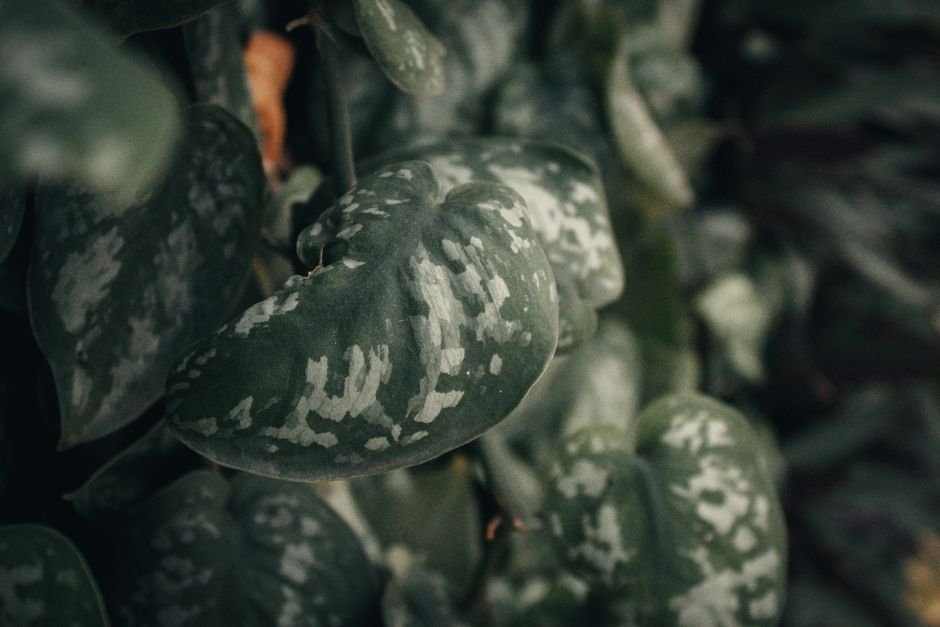
Though not a true Pothos (Epipremnum), the Satin Pothos, or Scindapsus pictus, is so frequently mistaken for one that it warrants a dedicated mention. This stunning vining plant features velvety, dark green leaves adorned with iridescent silver or gray splashes, giving them a unique shimmery appearance. Its common varieties include ‘Argyraeus’ (smaller, more distinct silver spots) and ‘Exotica’ (larger, more extensive silver patches).
Satin Pothos prefers bright, indirect light to maintain its vibrant silver variegation. Direct sun can scorch its delicate leaves, while low light will diminish the silver sheen. It’s crucial to allow the top 2-3 inches of soil to dry out completely before watering, as it is particularly susceptible to root rot. A well-draining, airy potting mix, such as a blend of coco coir, perlite, and orchid bark, is highly recommended. Satin Pothos absolutely thrives in higher humidity, making it a perfect candidate for terrariums, bathrooms, or near a humidifier. Temperatures between 65-85°F are ideal. Its velvety texture and shimmering variegation make it an elegant and popular choice for US plant enthusiasts.
Propagating Your Pothos Collection
One of the most rewarding aspects of growing Pothos is how incredibly easy they are to propagate. You can easily expand your collection or share with friends using simple cuttings. Here’s how:
- Select a Healthy Stem: Choose a healthy, mature stem with at least 2-3 leaves and a visible node (a small bump where a leaf or root emerges).
- Make the Cut: Using clean, sharp scissors or pruners, cut the stem about 1/4 to 1/2 inch below a node. Ensure your cutting has at least one node, as this is where new roots will form.
- Remove Lower Leaves: Gently remove any leaves that would be submerged in water or soil to prevent rot.
- Choose Your Medium:
- Water Propagation: Place the cutting in a clear glass or jar of clean water, ensuring at least one node is submerged. Change the water every few days to keep it fresh.
- Soil Propagation: Plant the cutting directly into a small pot filled with moist, well-draining potting mix. Ensure the node is buried.
- Provide Ideal Conditions: Place your cuttings in a warm spot with bright, indirect light. If propagating in soil, you can cover the pot with a plastic bag to create a mini-greenhouse effect and boost humidity.
- Wait for Roots: Roots typically begin to form within 2-4 weeks in water, and new leaf growth will indicate successful rooting in soil. Once water roots are a few inches long, you can transfer the cutting to soil.
- Pot Up: Once established, pot your new Pothos plant into a larger container with fresh potting mix. Continue with regular Pothos care.
Pothos Varieties: A Comparative Care Guide
While Pothos are generally low-maintenance, understanding the subtle differences in their needs can help each variety truly shine. Here’s a quick comparison:
| Pothos Variety | Light Requirement | Watering | Humidity | Soil Type | Temperature (Indoor) |
|---|---|---|---|---|---|
| Golden Pothos | Low to Bright Indirect | Top 1-2″ dry | Average | Well-draining, airy | 65-85°F (18-29°C) |
| Marble Queen Pothos | Bright Indirect | Top 1-2″ dry | Moderate to High | Well-draining, airy | 65-85°F (18-29°C) |
| Neon Pothos | Medium to Bright Indirect | Top 1-2″ dry | Average | Well-draining, airy | 65-85°F (18-29°C) |
| Jessenia Pothos | Medium to Bright Indirect | Top 1-2″ dry | Average | Well-draining, airy | 65-80°F (18-27°C) |
| N’Joy Pothos | Bright Indirect | Top 1″ dry | Moderate | Well-draining, airy | 65-80°F (18-27°C) |
| Pearls and Jade Pothos | Bright Indirect | Top 1″ dry | Moderate to High | Well-draining, airy | 65-80°F (18-27°C) |
| Manjula Pothos | Bright Indirect | Top 2-3″ dry | High | Well-draining, airy | 65-85°F (18-29°C) |
| Global Green Pothos | Medium to Bright Indirect | Top 1-2″ dry | Average | Well-draining, airy | 65-80°F (18-27°C) |
| Cebu Blue Pothos | Bright Indirect | Top 1-2″ dry | High | Well-draining, airy | 65-85°F (18-29°C) |
| Satin Pothos (Scindapsus pictus) | Bright Indirect | Top 2-3″ dry | High | Very well-draining, airy | 65-85°F (18-29°C) |
Frequently Asked Questions About Pothos Varieties
What is the rarest Pothos variety?
While ‘rarest’ can be subjective and change with availability, varieties like ‘Manjula’ and ‘Global Green’ were once considered quite rare but are becoming more accessible. True rarities might include highly specific, less commercially propagated mutations or very new cultivars. The ‘Cebu Blue’ can also be harder to find in some areas due to its slower growth rate and specific care needs compared to other Pothos.
How do I make my Pothos variegation more prominent?
The key to vibrant variegation in most Pothos varieties, especially those with white or light-colored patterns, is bright, indirect light. Insufficient light causes the plant to produce more chlorophyll (green pigment) to compensate, leading to less pronounced variegation or even reversion to solid green. Avoid direct sun, which can scorch the lighter parts of the leaves.
Can I grow Pothos outdoors in the US?
Pothos are tropical plants and can only be grown outdoors year-round in USDA Hardiness Zones 10-12, primarily in parts of Florida, Southern California, and Hawaii. In most other US regions, they are best grown as houseplants. They can be moved outdoors to a shady spot during warm summer months (when temperatures are consistently above 50°F / 10°C) but must be brought indoors before cold weather sets in.
Why are my Pothos leaves turning yellow?
Yellowing leaves on a Pothos are most commonly a sign of overwatering. When the soil stays too wet, roots can rot, preventing the plant from taking up nutrients. Other causes can include underwatering (leaves may also turn crispy), nutrient deficiencies, or simply old leaves dying off naturally. Always check the soil moisture with your fingers or a moisture meter before watering.
What’s the difference between Pothos and Philodendron?
Though often confused due to similar care and vining habits, Pothos (Epipremnum genus) and Philodendron (Philodendron genus) are distinct. Key differences include: Pothos leaves often have a waxy feel and a central groove on the petiole (leaf stem), while Philodendron leaves are typically softer and have a round petiole. New Pothos leaves unfurl directly from the stem, whereas new Philodendron leaves emerge from a cataphyll (a protective sheath) that eventually dries and falls off.
How often should I fertilize my Pothos?
During the active growing season (spring and summer), you can fertilize your Pothos every 2-4 weeks with a balanced liquid houseplant fertilizer, diluted to half strength. Products like Dyna-Gro Grow or a general all-purpose plant food are excellent choices. Reduce or cease fertilization during fall and winter when growth naturally slows.
From the cheerful Golden to the sophisticated Manjula, and even the shimmering Satin Pothos, the diversity within this beloved plant family is truly remarkable. Each variety offers its own unique charm and character, inviting you to explore the subtle differences and discover new favorites. By understanding their specific needs and providing the right care, you can cultivate a thriving collection of these beautiful, resilient vines, adding a touch of vibrant green elegance to every corner of your US home. Happy growing!